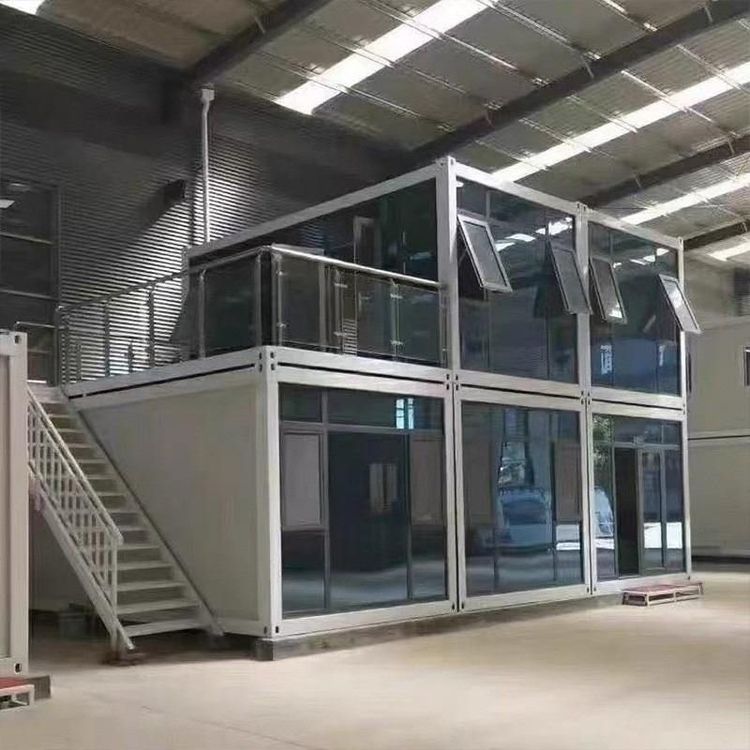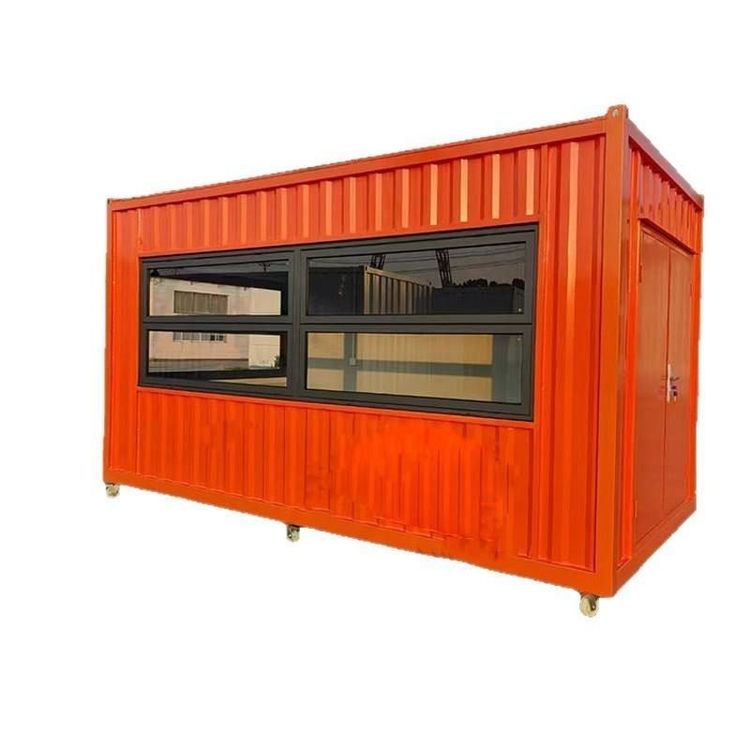
Latest Materials for Mobile Toilets
The latest materials for mobile toilets mainly include polyimide composite panels and polymer composite materials.
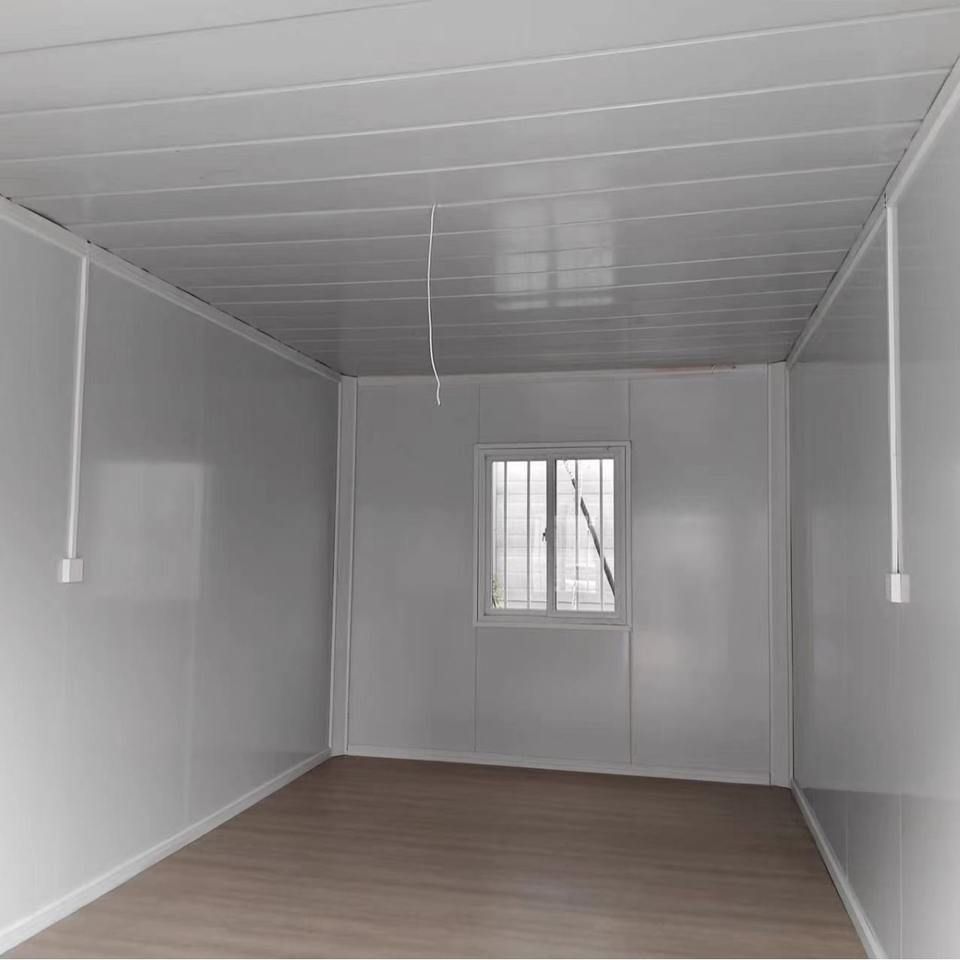
Polyimide composite panels are a new type of material applied in the field of mobile toilets, boasting numerous significant advantages. They adhere to the concepts of green environmental protection, energy conservation, and low carbon emissions, aligning with the current pursuit of sustainable development. During the manufacturing process, they are often combined with eco-friendly aluminum panels that have excellent plasticity and are easy to shape, with the two complementing each other. This composite panel integrates multiple excellent characteristics. Its lightweight nature makes it easy to transport and install, reducing overall costs and construction difficulties. Its high strength ensures the structural stability of mobile toilets during use, enabling them to withstand certain external impacts. Its strong thermal insulation performance helps maintain a suitable temperature inside the toilet under different climatic conditions, enhancing user comfort. Its high and low-temperature resistance allows it to function normally in extreme temperature environments, whether it's a scorching summer day or a freezing winter night, without material damage or performance degradation due to temperature changes. Its resistance to ultraviolet rays, acids, alkalis, and weathering extends the material's service life and reduces the frequency of maintenance and replacement. Its waterproof and fireproof properties further ensure the safety of mobile toilet use, lowering the risk of fires and preventing damage to internal facilities caused by rainwater infiltration.
Polymer composite materials also play a crucial role in mobile toilets. They possess more stable weather resistance, enabling them to maintain relatively stable internal structures in environments with large temperature differences and effectively reducing the occurrence of loosening at connections, ensuring the overall structural stability of mobile toilets. Their surfaces are treated for corrosion resistance, allowing them to withstand the effects of humid air and daily cleaning agents. In humid environments, ordinary materials are prone to rusting and corrosion, while the corrosion-resistant properties of polymer composite materials enable them to maintain good appearance and performance over the long term, reducing maintenance costs caused by corrosion. At the same time, they ensure the hygiene of mobile toilets, providing users with a healthier and safer environment.