
How to Issue Invoices for Mobile Toilets
The invoicing process for mobile toilets varies depending on whether the lessee is a business or the service provider is an individual. Details are as follows:
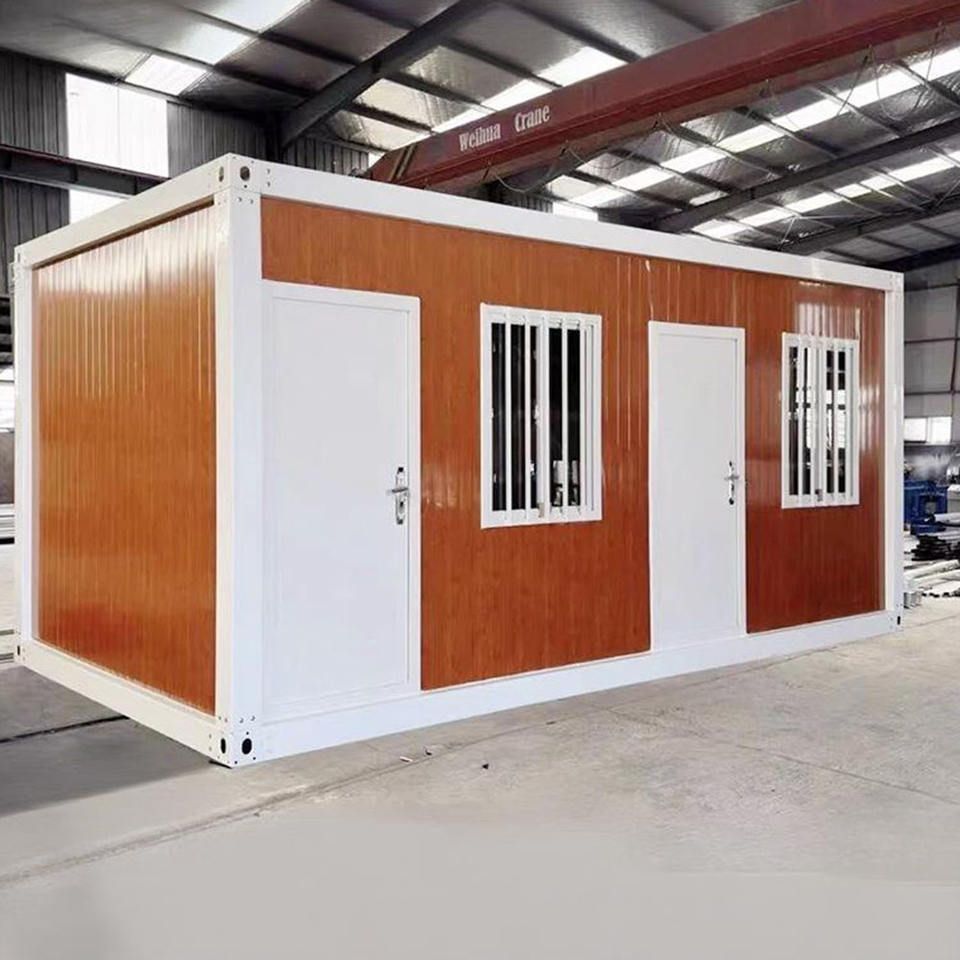
I. Invoicing Process for Business Leasing Mobile Toilets
Invoice Types and Cost Components
When leasing mobile toilets, businesses incur basic costs including equipment rental, transportation, and installation services. They can request either a Value-Added Tax (VAT) Special Invoice or a Regular Invoice. If opting for a VAT Special Invoice, additional taxes may be incurred (e.g., a 6% tax rate, subject to actual conditions); costs for a Regular Invoice typically include taxes. For example, in Hunan, the daily rental cost is approximately 200-500 yuan per unit, while in Jingdezhen, a standard mobile toilet costs 100-200 yuan per day, and a luxury model costs 200-300 yuan per day.Leasing Scale and Discounts
When leasing a large quantity (e.g., more than 10 units), some vendors may waive invoicing fees or offer discounts. For instance, in Hunan, leasing more than 20 units may include invoice taxes in the base cost.Special Service Fees
Additional fees may apply for special services such as nighttime transportation or emergency additions. These should be clearly specified in the contract regarding whether they are included in the invoice amount.Invoicing Process
Confirm requirements → Sign a contract → Pay the rental fee → Apply for an invoice after the lease period ends. Information such as the taxpayer identification number and company name must be provided to ensure invoice compliance.
II. Invoicing Process for Individual Providing Mobile Toilet Services
Invoicing Conditions
According to Article 19 of the Regulations on the Administration of Invoices of the People's Republic of China, individuals providing toilet services as part of business activities, where the payee is also an individual engaged in production or business operations, may apply for an invoice.Steps for Invoicing
- Issuing Entity: Individuals do not have direct invoicing qualifications and must apply through tax authorities.
- Required Documents: Identification, service contract or agreement, Application Form for Invoice Issuance, etc.
- Process: Submit the application with the required documents to the local tax authority's service hall, pay VAT and its surcharges, as well as personal income tax, and collect the invoice upon approval.
Precautions
- Business transactions must be genuine; issuing false invoices is strictly prohibited.
- Comply strictly with tax regulations to ensure lawful and compliant operations.
III. General Recommendations
- Early Communication: Clarify invoice types, tax responsibilities, and contract details with the vendor before leasing to avoid disputes.
- Strategic Planning: For example, in Jingdezhen, it is advisable to book 1-2 weeks in advance to avoid peak periods and potentially receive discounts.
- Comparison Shopping: Consult multiple rental companies, compare costs and services, and prioritize working with reputable companies.


