
Back to blog
Article
How to Issue Invoices for Mobile Toilets
Admin September 23, 2026
The invoicing methods for mobile toilets vary depending on the leasing scenario and the entity involved, primarily falling into two categories: corporate leasing and individual service provision.
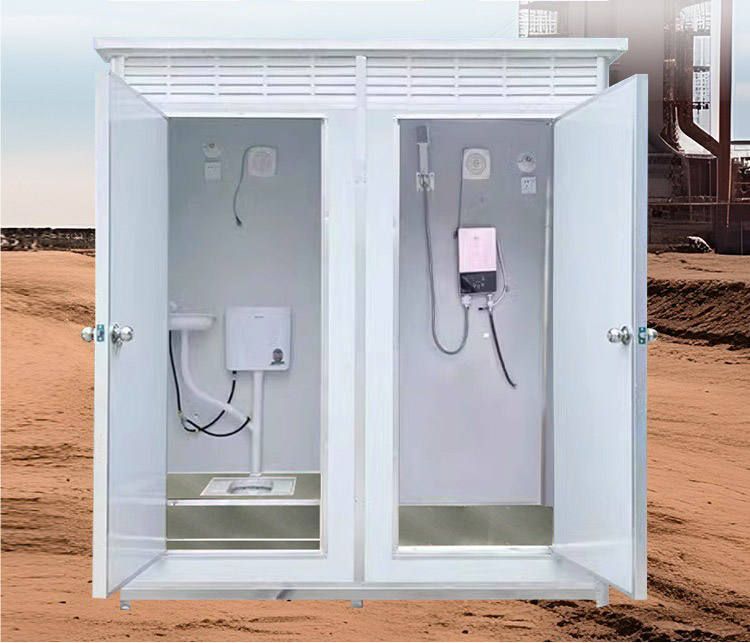
Corporate Leasing Scenarios
- Hunan Region: The invoicing process involves confirming leasing requirements, signing a contract, paying the rent, and applying for an invoice after the lease term expires. The basic leasing costs include equipment rental, transportation, and installation services. Invoice types are divided into value-added tax (VAT) special invoices and regular invoices. When charging by the day or hour, the cost for issuing a regular VAT invoice usually includes tax; issuing a VAT special invoice may incur an additional 6% tax fee (subject to the actual tax rate). For larger leasing quantities (e.g., more than 10 units), some lessors may offer invoice fee reductions or discounts. For leases of 20 units or more, the basic costs may directly include invoice tax fees.
- Jingdezhen Region: Invoicing charges include basic leasing costs and additional service fees. The basic costs are calculated based on the type of toilet, quantity, and leasing duration. Invoicing itself is generally not charged separately. Individual or small-scale enterprise leases may require additional tax payments for invoicing, while taxes for正规 companies (legitimate companies) may already be included in the leasing quote. For short-term events (1-3 days), charges are made by the day, and the invoice type must be confirmed when invoicing. Long-term projects (over 1 month) may offer package discounts, and monthly settlement can be negotiated. For special requirements (e.g., customized mobile toilets), detailed information must be specified when invoicing.
Individual Service Provision Scenarios
- Legal Basis: According to Article 19 of the 'Regulations on the Administration of Invoices of the People's Republic of China,' if an individual provides toilet services as part of business operations and the payee is an individual engaged in production or business activities, they meet the conditions for issuing an invoice.
- Specific Procedures: Determine the invoicing entity. If an individual does not have the qualification to issue invoices directly, they must apply through the tax authorities. Prepare invoicing materials, including personal identification (e.g., original and copy of ID card), a service contract or agreement with the payer (or other materials proving the authenticity of the business), and a completed 'Application Form for Invoice Issuance.' Visit the tax authorities: Bring the materials to the tax service hall of the local tax authorities, submit the application, and pay the applicable taxes (e.g., VAT and its surcharges, personal income tax). Receive the invoice: After the tax authorities review and approve the application, they will issue the corresponding invoice and affix the tax authorities' special seal for invoice issuance. The individual can choose to have it mailed or pick it up in person at the tax service hall.
- Precautions: Ensure business authenticity. Invoices should be issued based on genuine business transactions. Do not issue false invoices or issue invoices for others falsely. Comply with tax laws. During the invoicing process, strictly adhere to national tax laws to ensure legal and compliant operations.
Related


