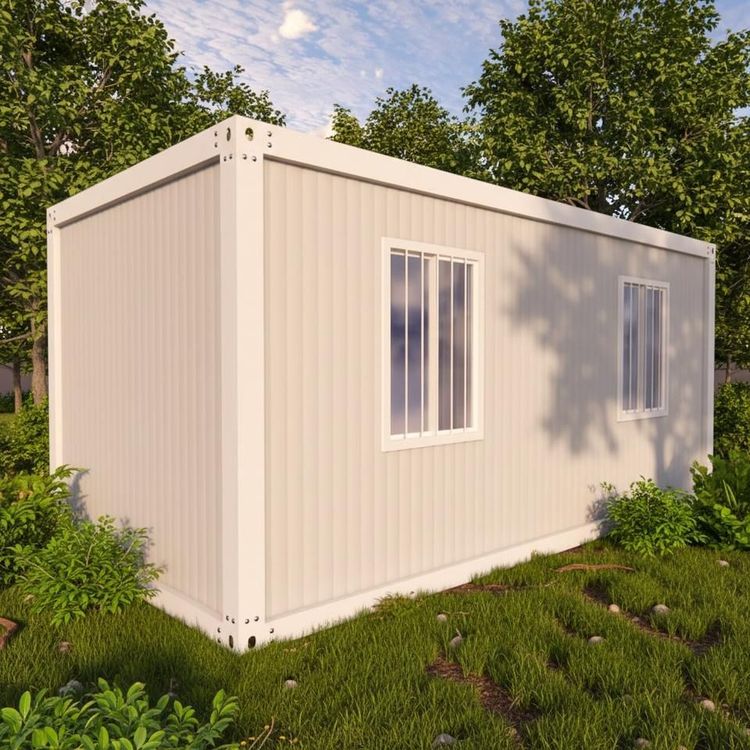
Installation of Mobile Toilets in Residential Areas
Installing mobile toilets in residential areas is a feasible public facility optimization solution, offering advantages such as easy installation, environmental efficiency, and flexible adjustment. However, standardized operation and maintenance are necessary to avoid neighborhood disputes.
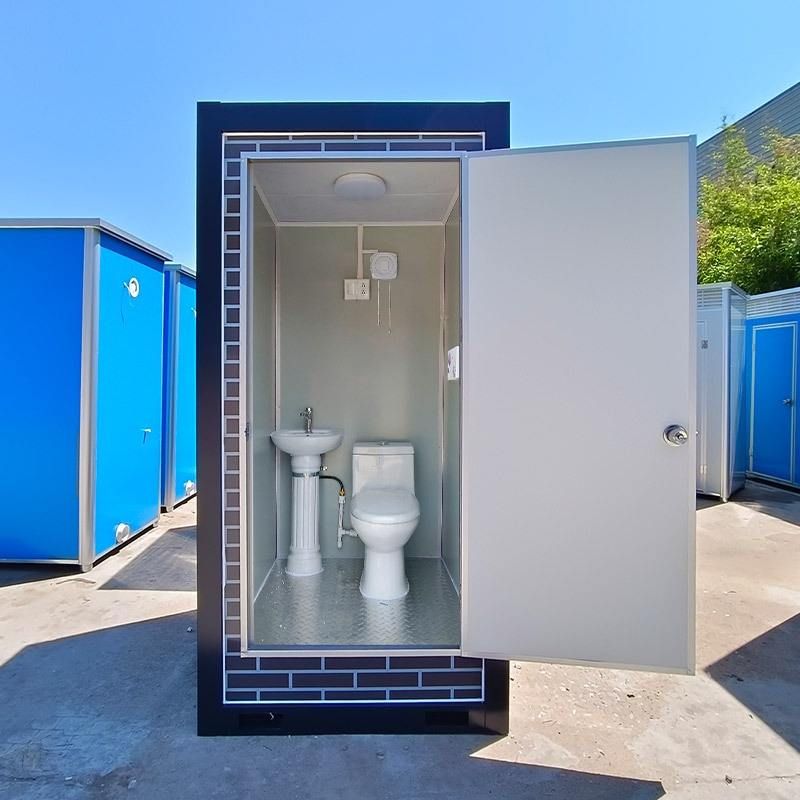
I. Installation and Structural Features
Mobile toilets can be installed efficiently, with some areas in Beijing completing ground preparation and equipment connection within a few hours. They are also widely used in scenic spots such as the Lanzhou Yellow River Scenic Line. Their structure consists of modules including storage tanks, sanitary fixtures, walls, and roofs. They are classified by mobility into hoisting types and powered trailer types, and by sewage treatment into flush types, dry-pack types, and circulating flush types, allowing adaptation to various scenarios.
II. Environmental Protection and Resource Utilization
Mobile toilets do not rely on traditional sewer networks. Waste is temporarily stored in collection tanks and transported by specialized vehicles to fecal treatment stations or sewage treatment plants. The treatment process employs physical sedimentation and biological fermentation technologies to achieve harmlessness and resource utilization, with residues usable as soil improvement materials. Some newer models integrate solar panels to provide auxiliary power for lighting and ventilation, and use high-pressure air flushing or vacuum suction technologies, significantly reducing water consumption per flush compared to traditional toilets, demonstrating notable energy-saving effects.
III. Convenience for Residents
The flexibility of mobile toilet deployment allows dynamic adjustment of their locations and quantities, alleviating difficulties in accessing restrooms in older residential areas due to inadequate planning or pipeline renovation challenges. For example, temporary facilities can be added during peak community activity periods or seasonal demand fluctuations to meet needs.
IV. Impact on Surrounding Environment
Regular waste removal, cleaning, and the use of biological deodorizers effectively control odor diffusion, while enclosed structures prevent groundwater contamination from seepage. However, achieving environmental benefits depends on the quality of operation and maintenance management, requiring adherence to standards for disinfection operations and equipment maintenance to avoid odor or pollution issues caused by management oversights.
V. Prevention of Neighborhood Disputes
Attention must be paid to the compliance of mobile toilet installations. For instance, a dispute arose among residents in a Shanghai residential area due to the private installation of a mobile toilet, focusing on whether the structural modifications to the building were compliant and whether there were potential water leakage risks. Such issues require professional assessment of the building's original design and the impact of renovations, along with securing relevant evidence to avoid affecting neighborhood relations due to improper installation.