
Mobile Toilet Inspection Items
The inspection items for mobile toilets cover multiple aspects such as structure, materials, hygiene, convenience, and environmental protection, as detailed below:
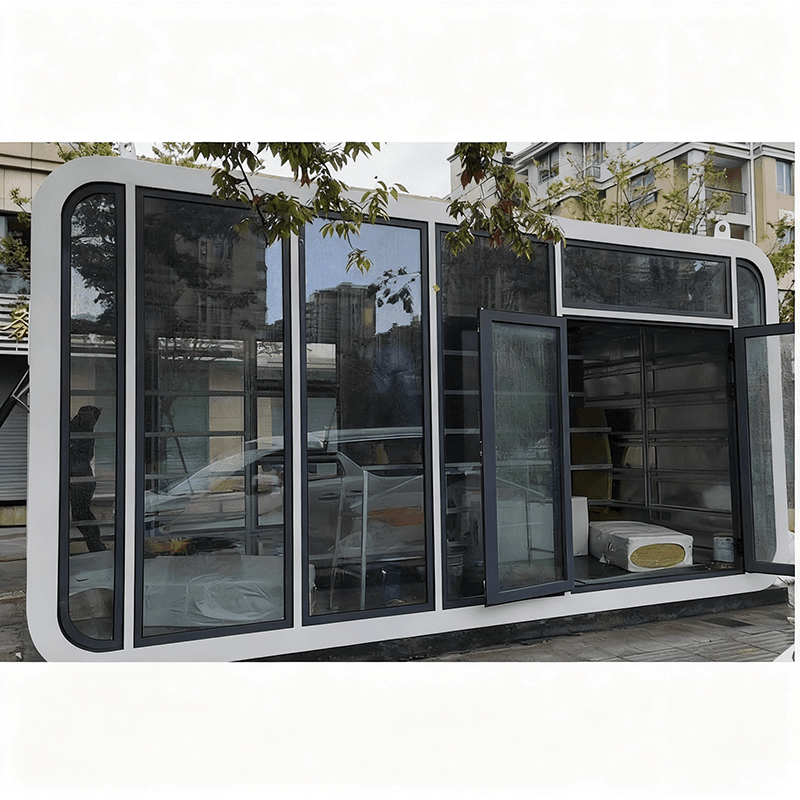
Structural Strength and Stability Inspection: This primarily focuses on frame strength, overall stability, and foundation bearing capacity. Frame materials must undergo tensile and compressive strength tests to ensure structural stability under various usage scenarios. Overall stability inspections evaluate the toilet's resistance to overturning under different ground conditions. Foundation bearing capacity inspections focus on the ability of the bottom structure to withstand ground pressure, preventing tilting or damage due to foundation issues.
Material Durability Inspection: This includes tests for corrosion resistance, weather resistance, and fire resistance. The outer shell and internal facilities must pass corrosion resistance tests to resist chemical erosion. Weather resistance tests simulate environments with high and low temperatures, as well as ultraviolet radiation, to assess material aging. Fire resistance tests verify the material's flame retardancy, reducing fire risks.
Hygiene Performance Inspection: This covers the sewage system, ventilation system, disinfection and deodorization equipment, and cleaning difficulty. The sewage system must be tested for discharge efficiency and sealing to prevent sewage leakage. The ventilation system is evaluated for design and effectiveness to ensure air circulation. Disinfection and deodorization equipment are tested for their actual effectiveness to maintain internal hygiene. Cleaning difficulty inspections focus on the ease of cleaning various parts of the materials, reducing maintenance costs.
Convenience and Comfort Inspection: This includes space design, equipment operability, lighting system, and non-slip flooring. The internal space layout must be reasonable to meet usage needs. Equipment operability tests assess the ease of operation to enhance user experience. The lighting system is tested for brightness and distribution to ensure safety during nighttime use. Non-slip flooring inspections focus on the friction coefficient to prevent slipping accidents.
Environmental Performance Inspection: This includes wastewater treatment effectiveness, energy consumption, and material environmental friendliness. The wastewater treatment system must be tested for treatment efficiency to reduce environmental pollution. Energy consumption inspections evaluate the consumption of water, electricity, fuel, and other resources to promote energy conservation and emission reduction. Material environmental friendliness inspections focus on the release of harmful substances to safeguard user health.
Other Inspection Items: These also include building and structural verification, structural damage condition inspection, structural safety calculation analysis, steel material performance testing, as well as specialized inspections for formaldehyde and VOC emissions, surface bacterial counts and E. coli colonies, non-slip flooring friction coefficients, and ventilation system air exchange rates, ensuring that mobile toilets fully comply with safety, hygiene, and environmental protection standards.



