
Mobile Toilet Injection Molding Equipment
Mobile toilet injection molding equipment primarily involves injection molding processes and related equipment for producing plastic components of mobile toilets, such as septic tanks and flush tank casings. The core of this process is using an injection molding machine to heat and melt plastic raw materials, which are then injected into molds and cooled to form components of the desired shape.
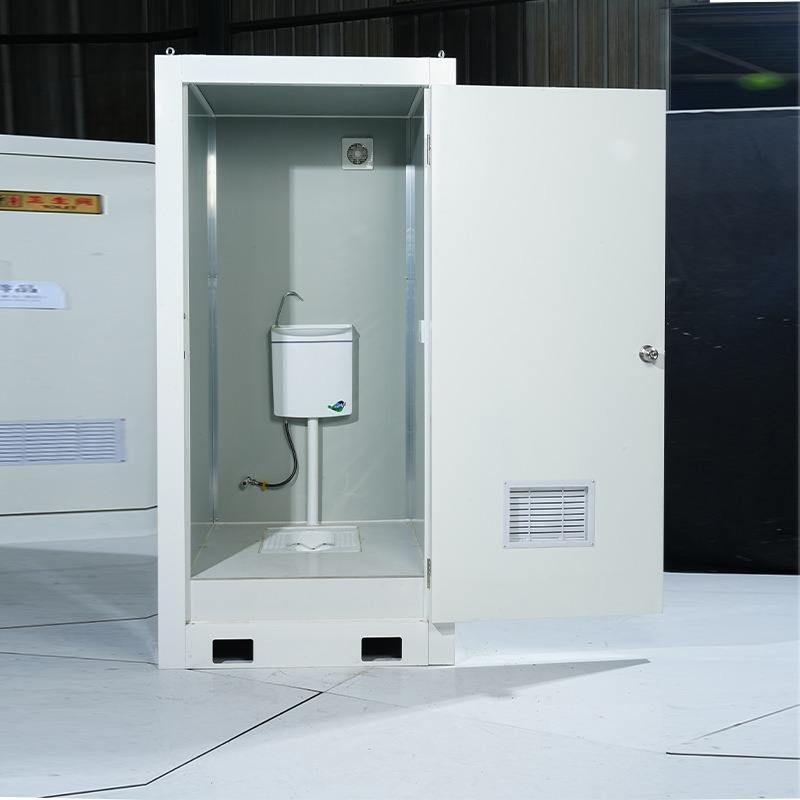
Application of Injection Molding Process in Mobile Toilets
The three-compartment toilet in Yangquan, Shanxi, adopts a 1.5-cubic-meter injection molding process. Its core components, including three-compartment septic tanks, pedal-operated flushers, and squat toilets, are all produced through injection molding. The septic tanks are injection-molded from polyethylene (PE) or polypropylene (PP), with an effective volume of ≥1.5m³ and a wall thickness of ≥3mm. Sealing materials are added at the connection points between the upper and lower tank bodies to prevent leakage. This process ensures the sealing and durability of the septic tanks while improving component consistency and production efficiency through standardized mold production.
Types and Selection of Injection Molding Equipment
Mobile toilet injection molding equipment mainly consists of injection molding machines, whose selection depends on product size, material properties, and production scale. For example, producing large septic tanks requires injection molding machines with higher clamping forces to ensure stable mold closure, while smaller components like flush tank casings can use small to medium-sized machines. Jinan Futaixiang Plastic Industry Co., Ltd., as a comprehensive enterprise,常年 (usually) represents Ningbo Haixing Injection Molding Machines. These machines feature high precision and stability, making them suitable for processing environmental protection products and sanitary ware.
Customization and Pricing of Mobile Toilet Injection Molding Products
Injection-molded mobile toilets support customization on demand, with prices varying significantly based on materials, specifications, and functions. For example, a simple injection-molded mobile toilet in Hefei, Anhui, costs 400 yuan per unit, using basic materials and a simple structure. In contrast, an HDPE injection-molded plastic mobile toilet in Jining, Shandong, costs 3,500 yuan per unit, using high-density polyethylene (HDPE) material with stronger corrosion resistance and structural strength. Customized production can meet the needs of different scenarios, such as scenic spots, construction sites, or temporary event venues, by adjusting component sizes, colors, or functional modules to achieve differentiated designs.
Advantages of Injection Molding Process
The injection molding process offers significant advantages in mobile toilet production: high material utilization, reducing waste through mold design; high production efficiency, with short single-cycle molding times suitable for large-scale production; high component precision, with strict mold size control ensuring assembly compatibility; and wide material adaptability, allowing stable molding of plastics like polyethylene and polypropylene by adjusting process parameters. These characteristics make injection molding equipment the core tool for mobile toilet manufacturing.
You may also like

Portable Toilet Used in 2026: Buying Guide & Recommendations
Read More
Portable Toilet Custom Explained: How to Choose the Right One
Read More
Top Portable Toilet Smart Manufacturers: How to Choose a Factory Partner
Read More