
Mobile Toilet in Northern Winter
In northern winters, mobile toilets require comprehensive measures such as basic insulation, pipe anti-freezing, active heating, innovative technology applications, cleaning management, and ventilation to ensure normal operation.
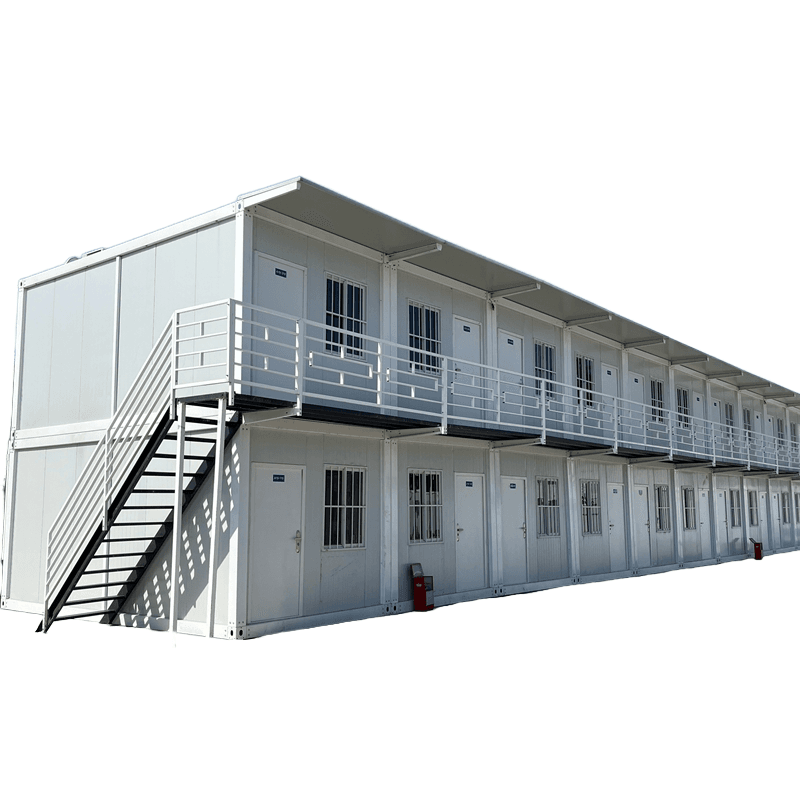
1. Basic Insulation Design
Mobile toilets should adopt a double-layer wall structure, with an outer layer of color-coated steel plate and an inner layer of fireproof board, filled with a 5cm-thick layer of polyurethane foam or rock wool insulation to reduce heat loss. Windows and doors should be sealed with EPDM rubber strips, and ventilation openings should be upgraded to temperature-controlled louver devices to prevent cold air from entering directly. The drainage system requires special treatment, such as filling expanded perlite around the trap of the squat toilet and wrapping the drainage pipes with a 50mm-thick insulation layer to prevent pipe freezing and cracking.
2. Pipe Anti-Freezing Measures
Pipe anti-freezing is a critical aspect. Self-regulating heating cables should be wrapped around the pipes, accompanied by an intelligent temperature control box that automatically activates heating when the ambient temperature drops below 5°C. The outer layer of the pipes should be wrapped with a 3cm-thick layer of rubber-plastic insulation cotton and then with waterproof tape. In northern China, it is recommended to additionally install heating tapes that activate when the temperature drops below -5°C. These measures effectively prevent the freezing of liquids inside the pipes and ensure smooth drainage.
3. Active Heating Systems
- Electric Heating Solution: Install PTC ceramic heating plates on the walls of the toilet area, which can raise the temperature by 15°C within 5 minutes, with the surface temperature controlled below 60°C to avoid burn risks. Low-power warm air blowers (e.g., below 500W) can also be used, which should be fixedly installed and kept away from flammable materials, with daily circuit safety checks. In extremely cold regions of northern China, explosion-proof electric heaters can be selected to enhance safety.
- Fuel-Fired Hot Air System: A fuel-fired hot air blower with a power of 30,000 kcal/h can uniformly distribute hot air through ducts, raising the temperature of a 5㎡ space by 15°C within 30 minutes, suitable for extreme weather conditions below -20°C.
- Municipal Heat Source Utilization: Scenic spots with conditions can connect to the centralized heating system and use radiators to achieve continuous and stable heating, reducing operating costs.
4. Innovative Technology Applications
Utilize waste heat recovery technology, such as using the 50-60°C hot air generated by the aeration fan of the treatment equipment for water preheating, reducing energy consumption. The intelligent control system integrates functions such as temperature sensing, power regulation, and fault alarming, enabling 24-hour unmanned operation and improving management efficiency.
5. Cleaning Management and Ventilation
Cleaning water should be maintained at 20-30°C, and antifreeze cleaning agents can be added. After cleaning, immediately use an absorbent mop to handle the floor, and apply de-icing agents if necessary to prevent icing. Ventilation should be carried out regularly, with windows recommended to be opened from 10:00 to 14:00 daily for no more than 15 minutes each time, maintaining indoor humidity at 40%-60% to prevent equipment damage caused by moisture.
6. Additional Maintenance Recommendations
Metal components (such as door locks and hinges) should be coated with antifreeze lubricating oil weekly to prevent sticking due to low temperatures. In extreme weather conditions (below -20°C), it is recommended to suspend use and empty the water storage tank to prevent equipment freezing and cracking.



