
Mobile Toilet in Bed Car
There are several feasible options for installing a mobile toilet in a bed car:
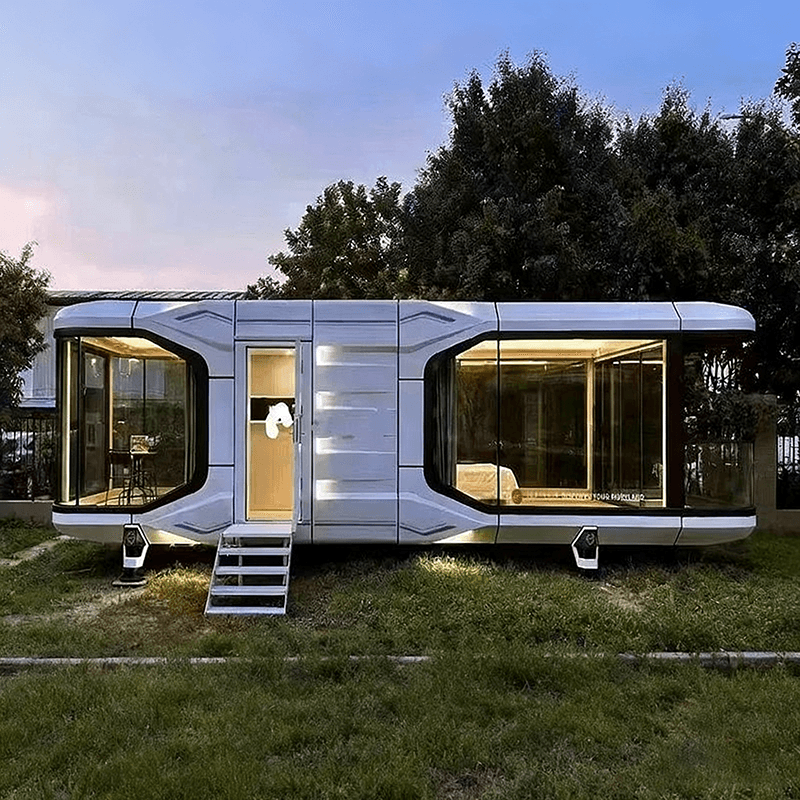
1. Specialized vehicle models with independent restrooms Some deeply modified specialized vehicle models (such as imported Toyota Hiace) can be designed with an independent restroom inside. These vehicles are usually longer (e.g., 5.9 meters), and their interior space can accommodate a toilet, sink, a 30L freshwater tank, and a sewage system through reasonable layout. Their advantage lies in high functional integration, eliminating the need for additional equipment installation, and meeting emergency toilet needs. However, such modifications are costly and are limited by the vehicle's original structure, making them suitable only for specific models.
2. Portable mobile toilets This is the most commonly used solution for bed car users. Portable toilets typically have a two-tier structure: the upper tier is a freshwater tank for flushing, and the lower tier is a blackwater tank for collecting waste. Prices range from 100 yuan to around 700-800 yuan, and users can choose different capacities and materials (such as plastic or stainless steel) based on their needs. Regular cleaning of the blackwater tank and the use of degrading agents to reduce odors are required during use. Their advantages include small size, flexible installation, and the ability to be placed in a corner of the vehicle or fixed with a bracket; the disadvantages are the need for manual waste disposal and limited capacity, requiring frequent cleaning.
3. Vehicle-mounted mobile public toilet products There are vehicle-mounted mobile public toilets specifically produced on the market, but these products are usually large equipment requiring a space span of over two meters and are equipped with a water supply and drainage system. They are originally designed to serve large vehicles or fixed locations (such as construction sites and exhibitions) and have low compatibility with personal bed car modifications. Unless the user has an extremely large bed car (such as a custom-made motorhome), this option is not recommended.
4. Simple modifications combined with external facilities Some vehicle owners create a "mobile bedroom" by modifying the rear space of the vehicle but do not install a fixed toilet inside. Instead, they use their own tents for outdoor showering and washing. For toilet needs, they rely on public restrooms or portable toilets. This option has the lowest cost but depends on external facilities, offering poor privacy and convenience, and is suitable for short trips or users with low toilet needs.
Summary: If functional completeness is pursued, specialized vehicle models or portable toilets are better choices; if space is limited or the budget is low, the flexibility of portable toilets is more advantageous; vehicle-mounted mobile public toilets are only suitable for specific scenarios. Users need to make comprehensive decisions based on vehicle conditions, usage frequency, and budget.



