Mobile Toilet Images
Although we cannot directly provide images of mobile toilets, we can offer a detailed description of their appearance and structural features to help you form a clear understanding.

Mobile toilets, as the name suggests, are portable, easy-to-install, and dismantle sanitary facilities widely used in temporary events, construction sites, tourist attractions, and other locations. Their design aims to meet sanitary needs in temporary or mobile environments while considering environmental protection and convenience.
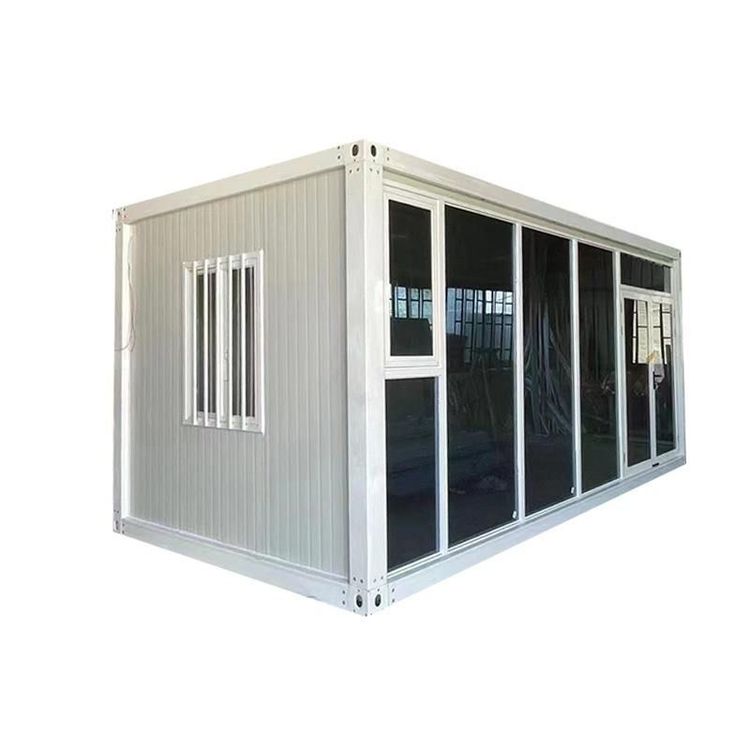
In terms of appearance, mobile toilets typically adopt a modular design, featuring a compact structure and relatively small size, facilitating transportation and placement. Common materials for the outer shells of mobile toilets include metals (such as stainless steel and aluminum alloy) and plastics (such as high-density polyethylene). These materials are not only durable but also easy to clean and maintain. The outer shell colors are diverse and can be customized according to the usage environment or customer requirements, with common colors including white, gray, and blue, to blend into the surrounding environment or enhance visual appeal.
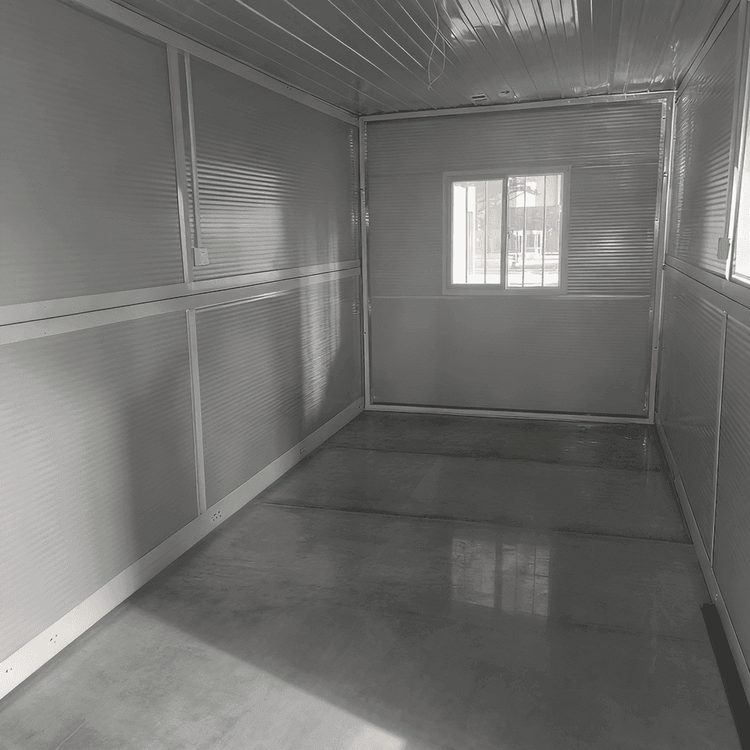
Structurally, mobile toilets have a well-organized internal layout, usually including one or more independent toilet compartments. Each compartment is equipped with a toilet (or squat toilet), a sink (available in some high-end models), and necessary ventilation and lighting systems. Toilet designs vary, ranging from traditional flush toilets to water-saving foam-sealed or vacuum-suction toilets, which not only save water but also effectively reduce odors. Sinks generally use sensor-activated faucets, which are both hygienic and water-saving. The ventilation system is achieved through exhaust fans on the top or sides, ensuring air circulation inside the toilet and reducing odor accumulation.
Additionally, mobile toilets emphasize eco-friendly design. Some models are equipped with sewage treatment systems that can perform preliminary treatment of waste, reducing environmental impact. For models without sewage treatment systems, regular collection and transportation by specialized vehicles to designated locations for treatment are employed.