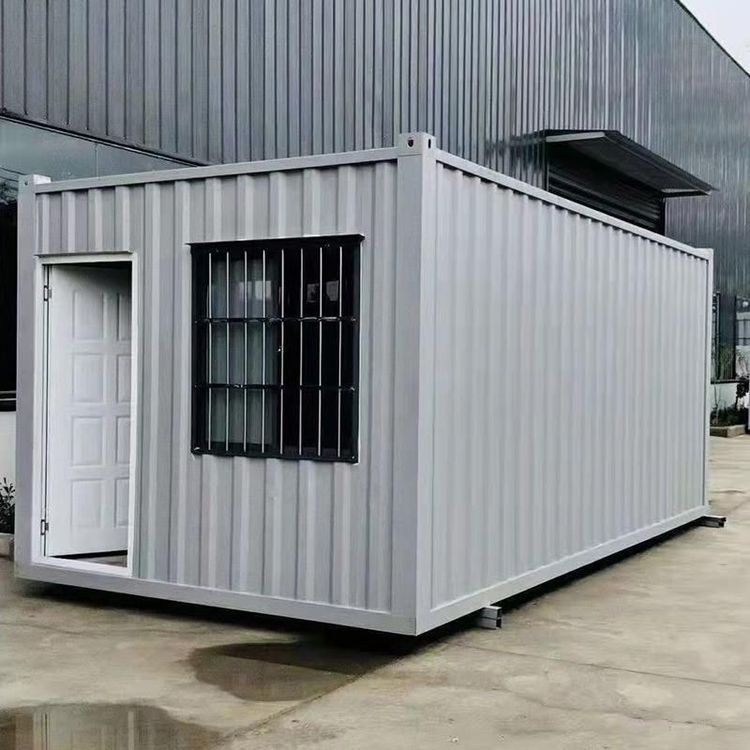
Mobile Toilet Handrail Height
There is no national unified standard for the height of handrails in mobile toilets, but there are clear reference ranges in common industry practices, as detailed below:

Toilet and Shower Areas: Typically, two horizontal handrails are installed in each area. The first handrail is approximately 650-700 millimeters above the ground, suitable for most users to grasp when standing up or sitting down, providing basic support. The second handrail is about 850-900 millimeters above the ground, meeting the needs of people of different heights when moving or adjusting their posture, especially beneficial for those with mobility impairments. The combined use of these two handrails covers the full range of motion from sitting to standing, enhancing safety.
Sink Area: If vertical or diagonal handrails are used, the gripping section usually falls within a height range of 1000-1100 millimeters from the ground. This design primarily considers the natural position of the user's hands when standing or using a wheelchair, ensuring comfortable and effortless gripping while avoiding body leaning forward or backward due to improper height, reducing the risk of falls.
Accessible Urinal Area: Horizontal safety grab bars with a length of 550 millimeters should be installed on both sides of the urinal, at a height of 900 millimeters from the ground. This height matches the hand height of most adult males when standing, facilitating balance during urination, especially crucial for those with weak balance or requiring additional support.
Note: The above dimensions are only common reference values in the industry. In practical applications, on-site measurements should be taken to confirm based on the following factors:
- User's Height: Individuals who are taller or shorter may need to adjust the handrail height to ensure natural arm bending when grasping, avoiding excessive stretching or curling.
- Dominant Hand: If the user is left-handed or right-handed, the handrail position can be slightly adjusted towards the dominant hand side to enhance convenience.
- Use of Wheelchair or Walker: Wheelchair users should ensure that the handrail height coordinates with the height of the wheelchair's armrests or arm supports to avoid conflicts.
- Wall Load-Bearing Capacity: The installation of handrails should consider the wall structure to ensure firm fixation and avoid safety hazards due to insufficient load-bearing capacity.
Properly setting the height of handrails in mobile toilets is key to enhancing the practicality of barrier-free facilities and requires flexible adjustments based on specific scenarios.