Mobile Toilet Fresh Water Tank
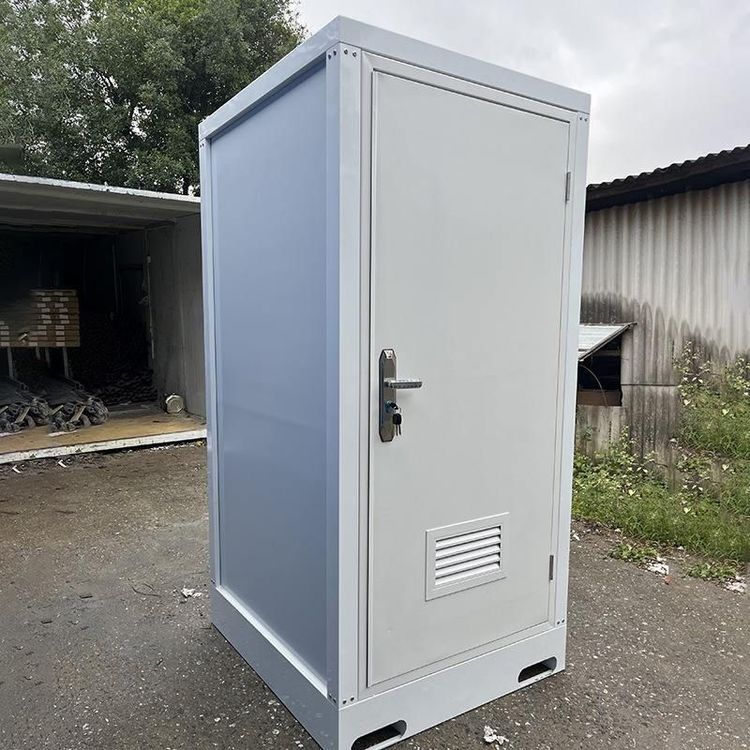
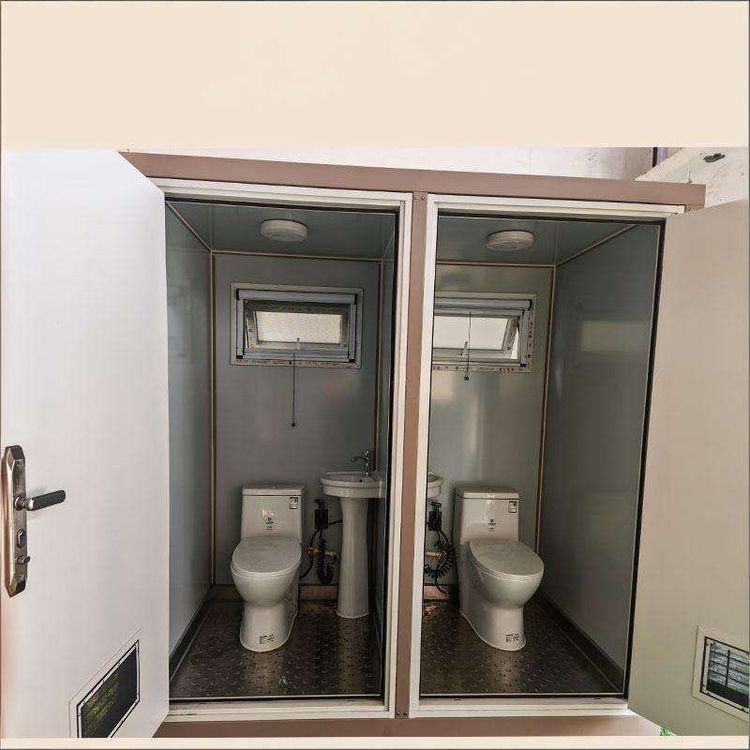
The fresh water tanks of mobile toilets vary in function and configuration depending on their types and designs, mainly falling into portable, vehicle-mounted, and water-flush types for different application scenarios. The following provides an explanation from the perspectives of specific types and sewage discharge methods:
The fresh water tank of portable plastic mobile toilets is designed with a focus on large capacity and gravity flushing. These toilets are usually made of lightweight materials such as high-density polyethylene, facilitating easy transportation and installation. Their fresh water tanks have a large capacity, meeting the needs of multiple users. They achieve natural flushing through gravity without requiring additional power equipment. For example, in scenarios like outdoor music festivals or temporary construction sites, large-capacity fresh water tanks can reduce the hassle of frequent water replenishment. Meanwhile, the sewage tanks are equipped with foot pumps, allowing users to complete sewage discharge by stepping on the foot pumps, forming an independent flushing-sewage discharge circulation system. This design ensures hygiene and reduces dependence on external water sources.
The fresh water tank of vehicle-mounted mobile toilets forms an independent water circulation system with the wastewater tank. The water circulation device has two modes: one is the independent circulation mode with built-in fresh water and wastewater tanks. The fresh water tank stores clean water for flushing, while the wastewater tank collects used sewage. The two are isolated by pipes to prevent cross-contamination. The other mode may involve more complex filtration or purification technologies, but the core still revolves around the water storage function of the fresh water tank. This design is commonly seen in long-distance buses, RVs, or mobile medical vehicles, achieving efficient water resource utilization through compact space layout, especially suitable for areas with limited water resources or mobile scenarios.
The fresh water tank of water-flush mobile toilets is usually located at the top, forming a vertical structure with the bottom sewage collection tank. The top water tank supplies water to the toilet through gravity or a small water pump. After flushing, the sewage flows into the bottom sewage tank. This design is common in fixed or semi-fixed mobile toilets, such as those in scenic spots and construction sites. Vacuum drainage mobile toilets also rely on fresh water, but their water consumption is extremely low (about 0.5-1 liter per time). Their fresh water tanks have a relatively small capacity, mainly serving to provide initial flushing water. Subsequently, a vacuum pump is used to pump the waste to the vehicle-mounted or stationary sewage tank, achieving efficient water conservation.
The material and maintenance of fresh water tanks are also crucial. To prevent algae growth or water quality deterioration, fresh water tanks are mostly made of food-grade plastics or stainless steel and are equipped with sealing covers and drainage valves. Regular cleaning and disinfection are important for ensuring hygiene. Especially after long-term disuse, the accumulated water should be drained and the tank dried to prevent bacterial growth.