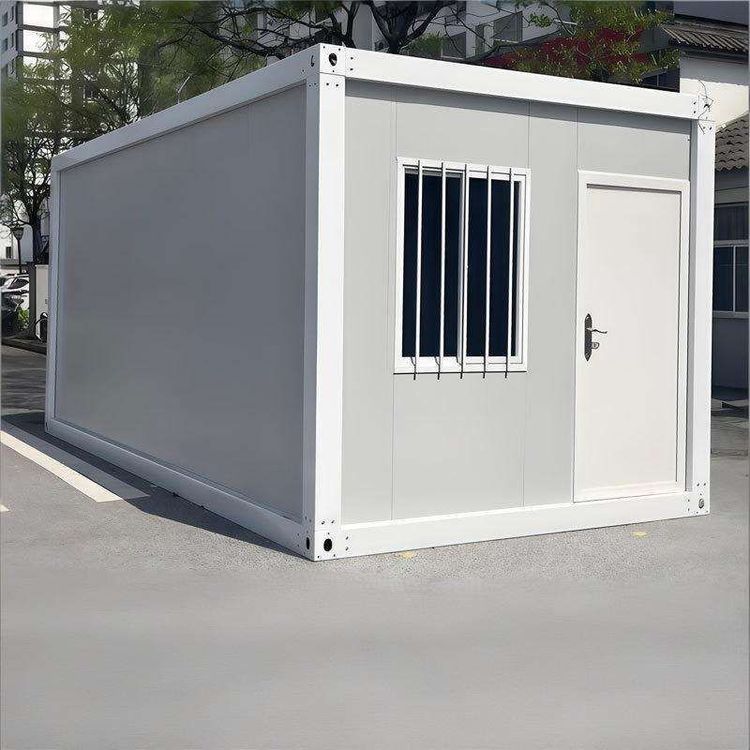
Mobile Toilet Frame Materials and Equipment
The frame materials of mobile toilets mainly include fiberglass, polyethylene, galvanized steel frame structures, etc. Although the equipment is not detailed, it encompasses various basic components.

Frame Materials
- Fiberglass: Fiberglass is a composite material with characteristics such as being lightweight yet hard, non-conductive, having high mechanical strength, limited recyclability, and corrosion resistance. Using fiberglass in the frame of a mobile toilet can effectively reduce the overall weight of the toilet, facilitating easy movement and installation. Meanwhile, its excellent corrosion resistance ensures long-term use without damage in various environments, extending the service life of the mobile toilet.
- Polyethylene: Polyethylene is a common plastic material known for its good chemical stability, resistance to acid and alkali corrosion, and excellent insulation properties. Using polyethylene as the frame material for a mobile toilet is relatively cost-effective. Additionally, it has good processing properties, making it easy to fabricate into frame structures of various shapes and sizes to meet different design and usage requirements.
- Galvanized Steel Frame Structure: A galvanized steel frame structure has high strength and rigidity, enabling it to withstand significant external forces and ensuring the stability and safety of the mobile toilet frame. Galvanization prevents steel from rusting, enhancing its durability. It is suitable for mobile toilets with high structural strength requirements and complex usage environments.
Equipment-Related
Although the search results do not provide detailed information on the equipment of mobile toilets, generally, mobile toilets include various basic pieces of equipment. The fecal sewage storage tank (or fecal sewage treatment device) is used to collect and treat fecal sewage, preventing environmental pollution. The floor provides a standing and moving surface for users. Sanitary fixtures such as toilets and squat pans are key equipment for meeting excretion needs. Walls serve to divide spaces and protect privacy. Washing equipment such as sinks facilitates hand cleaning for users. Water tanks store clean water to ensure the normal operation of sanitary fixtures. The roof provides shelter from wind and rain, protecting internal equipment and users. The mobile device enables the mobile toilet to be easily relocated to adapt to different usage scenarios.