Mobile Toilet for Tourism
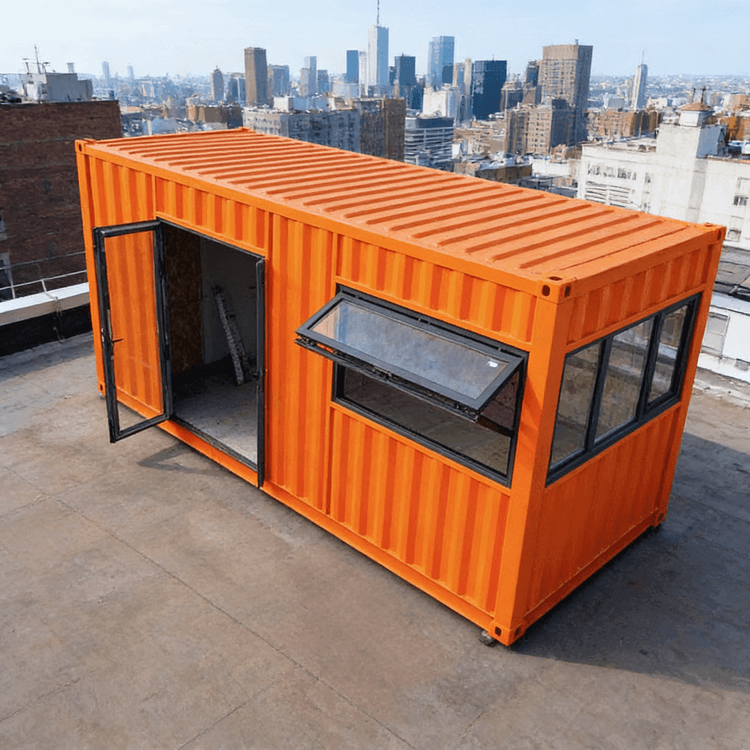
Mobile toilets are widely used in tourism scenarios, featuring flexible deployment and diverse designs to meet the needs of different tourism settings.
Basic Characteristics and Advantages
Mobile toilets are suitable for tourist attractions and other venues, with core advantages including mobility, modularity, and ease of transportation. Their structures typically adopt a modular design, allowing them to be quickly transported by vehicles to areas requiring deployment, such as temporary event sites, remote scenic spots, or locations experiencing sudden surges in visitor numbers. This flexibility avoids the long construction periods and site selection limitations of traditional fixed toilets, and their reusability reduces long-term costs. For example, in mountain hiking trails or desert scenic areas, mobile toilets can be adjusted according to the range of tourist activities to provide immediate services.
Diverse Designs to Meet Scenario Needs
The design of mobile toilets in tourism scenarios emphasizes a combination of practicality and aesthetics:
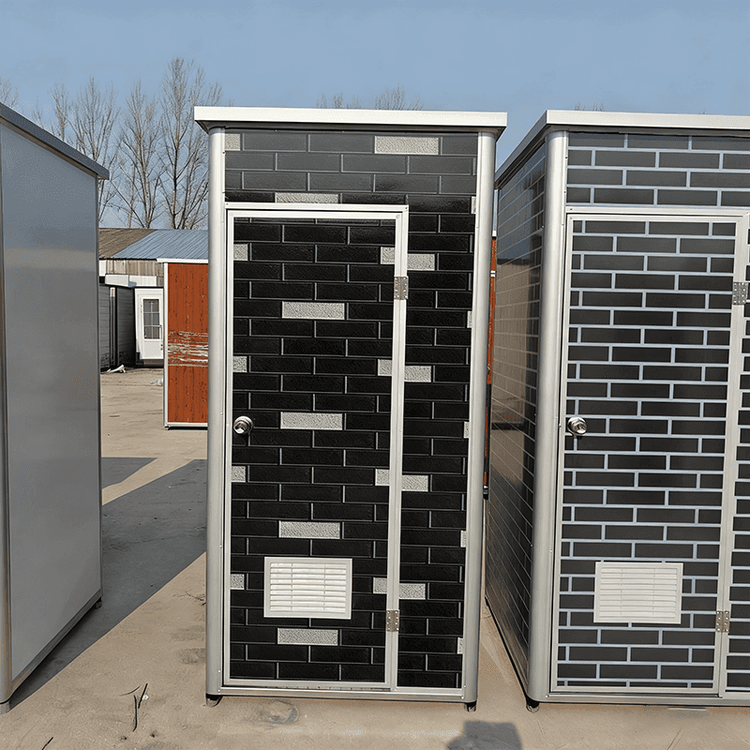
- Structural Durability: Some use thickened galvanized square tube welded frames paired with carved panel exteriors, enhancing impact resistance and preventing rust through metal materials, making them suitable for humid or sandy environments.
- Environmental Adaptability: For extreme climates, insulated toilets are designed with metal carved panel color-block interiors and translucent windows on the front walls, improving visual appeal while reducing energy consumption through natural lighting and maintaining stable internal temperatures.
- Functional Expandability: Some high-end models are equipped with barrier-free facilities, child-specific stalls, or maternal and infant care stations to meet the needs of family tourists. Some also integrate sewage treatment systems for wastewater recycling, reducing pollution to scenic area environments.
Special Form: Practice of Tidal Toilets
Guangdong Huizhou West Lake Scenic Area once piloted "tidal toilets," whose core mechanism involved manually changing male and female toilet signs to dynamically adjust stall ratios. For example, during peak visitor periods like the Spring Festival or Lantern Festival, some male toilets were temporarily converted to female toilets to alleviate queuing pressure for women, reverting to fixed partitions during normal times. Although the pilot was withdrawn due to management issues (such as confusing signage and complex cleaning and maintenance), the "tidal" concept remains valuable for reference. In the future, user experience could be optimized through intelligent upgrades (such as electronic screens dynamically displaying stall status and automatic感应门锁 (Note: '感应门锁' here is translated as 'automatic sensor locks' in a more natural way in full context, but kept as is for direct correspondence)), while big data could be used to predict visitor flows and adjust stall allocations in advance.
Application Scenarios and Limitations
Mobile toilets are suitable for short-term events, remote scenic spots, or areas with fluctuating visitor numbers. However, long-term use requires consideration of maintenance costs (such as regular cleaning and part replacements) and environmental harmony (such as matching the appearance with the scenic area's style). Additionally, extreme weather (such as strong winds or heavy rain) may affect their stability, necessitating structural reinforcement or temporary relocation to ensure safety.