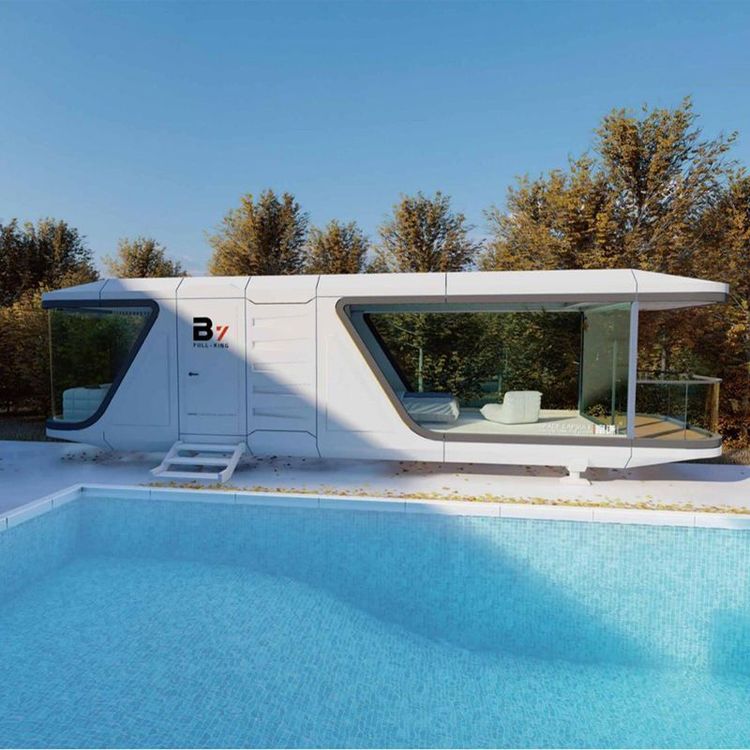
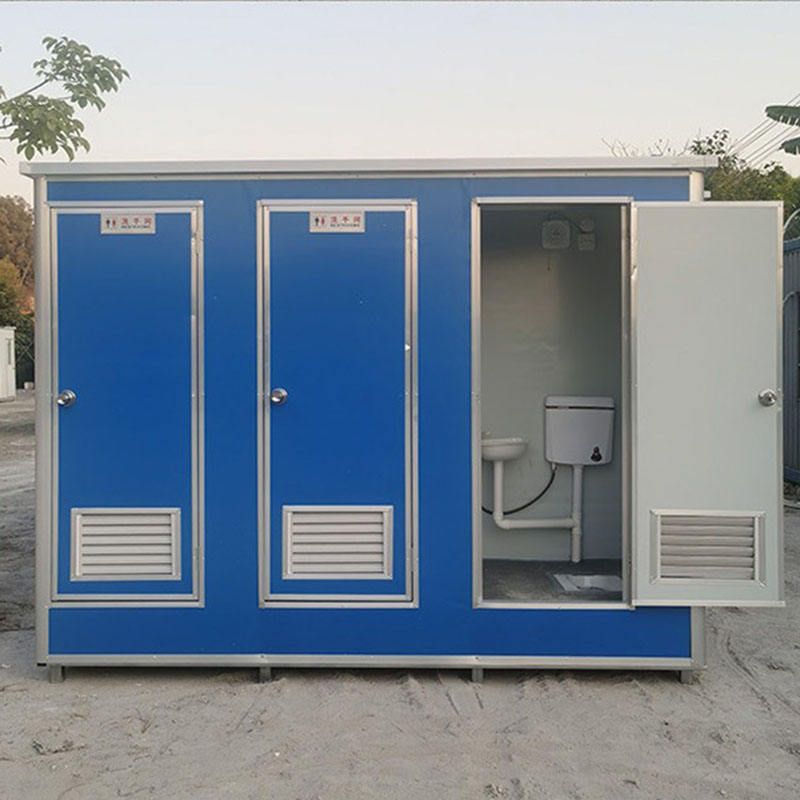
Mobile Toilet for Temporary Use
Mobile toilets are highly suitable for temporary usage scenarios. They are originally designed to meet the temporary and flexible restroom needs. The following provides an introduction from aspects such as applicability, structural types, sewage treatment methods, and pricing:
1. Applicability
The core advantage of mobile toilets lies in their ability to be moved as a whole and quickly deployed in fixed or temporary locations, such as large-scale event sites, construction sites, disaster relief areas, and tourist attractions. Their transportation convenience allows them to be carried by vehicles to any location where restrooms need to be set up, and they can be used repeatedly, significantly reducing construction costs and time investment in temporary scenarios.
2. Structural Types
According to their structural forms, mobile toilets can be divided into two categories:
- Single-unit structure: Designed as an independent unit, suitable for scenarios with limited space or a dispersed layout, such as beside individual event stalls.
- Composite structure: Composed of multiple units, which can form a row or a multi-level structure to meet the needs of high-traffic areas, such as around the main stage of a music festival.
In terms of mobility, they can be classified as: - Lifting and handling type: Relying on lifting equipment or manual handling, suitable for short-term, low-frequency mobility scenarios.
- Powered and towed type: Equipped with a power system or a towable design, supporting self-movement or vehicle towing, suitable for scenarios that require frequent position adjustments.
3. Sewage Treatment Methods
The environmental performance of mobile toilets is reflected in their diverse sewage treatment technologies:
- Water-flush and waterless suction type: Reducing odors through water flushing or vacuum suction, requiring regular cleaning of fecal matter, suitable for areas with water sources or sewage discharge conditions.
- Recirculating water-flush type: Using biodegradation or chemical treatment technologies to purify sewage, achieving water resource recycling and reducing water consumption.
- Dry-pack type: Using degradable bags to collect feces, without the need for water sources or sewage discharge facilities, making it an ideal choice for water-scarce or sewage-free scenarios.
4. Pricing Differences
The price of mobile toilets is significantly influenced by the manufacturer, specifications, materials, and functions. For example, the unit price of the waterless packing toilet from Henan Hemai Industrial Co., Ltd. ranges from 1100 to 1500 yuan (with bulk purchase discounts); the high-end outdoor environmental protection mobile toilet from Xiamen Topra Material Technology Co., Ltd. costs 7400 yuan, possibly due to the use of weather-resistant materials or intelligent design, which increases costs. Users need to choose the appropriate product according to their budget and usage needs.