Mobile Toilet for Indoor Use
The mobile toilet used indoors is called an indoor mobile restroom, and its types, configurations, and purchasing considerations are as follows:

I. Types and Materials
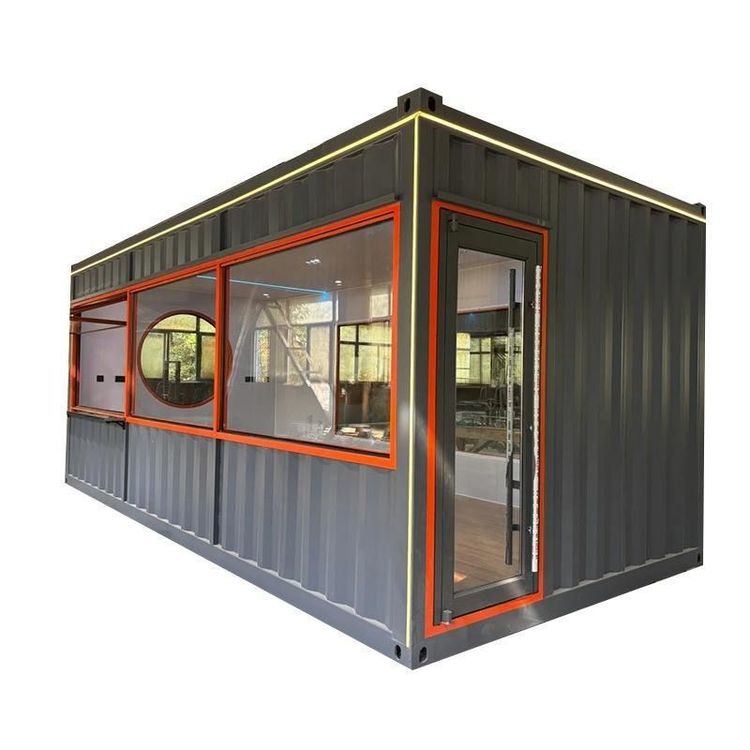
Indoor mobile restrooms mainly include types such as mobile toilets, container toilets, and eco-friendly toilets, with materials covering steel structures, color-coated steel, metal, plastic, etc. Among them, a lightweight plastic mobile toilet will be launched as a new model in 2026, featuring a lightweight design, equipped with signage, a ventilation system, and a large-capacity freshwater tank. The wastewater tank uses a foot-pump gravity flushing system, and the exhaust pipe effectively removes odors, making it suitable for indoor environments with limited space.
II. Core Configuration Modules
Sanitary Fixtures
- Toilets: Primarily ceramic squat toilets or sit toilets, with high-end products using stainless steel materials, equipped with foot-operated or sensor-operated flush valves, and water tank capacities ranging from 5 to 10 liters.
- Handwashing Systems: Standard configurations include handwashing basins (ceramic or stainless steel, width 30-40 cm), push-type or sensor-operated faucets, and water storage tanks, with some configurations including mirrors, coat hooks, storage shelves, and toilet paper holders.
- Special Configurations: High-specification products add child safety seats, child toilet seats, or barrier-free facilities (such as handrails and low-position handwashing basins).
Environmental Control
- Ventilation: High-power exhaust fans (20-50 watts), with air exchange rates of 10-15 times per hour, and some using dual exhaust designs.
- Lighting: LED energy-saving lights (5-15 watts), with some equipped with emergency lighting.
- Temperature Control: Electric heaters or warm air blowers can be selected for cold regions, while ventilation skylights or small air conditioners can be added for hot regions.
Water Supply, Drainage, and Power
- Water Supply: Self-contained tank type (freshwater tank capacity 100-300 liters) or connected to municipal water sources.
- Drainage: Traditional wastewater tanks (capacity 200-500 liters) require regular pumping, while eco-friendly types use foam sealing or microbial degradation technology.
- Power: 220V mains power connection, or built-in batteries (such as 12V/100Ah) and solar panel power supply.
Structure and Safety
- Internal safety door locks and external "Occupied/Vacant" indicator locks or LED displays are provided.
- Wall panels are made of high-density polyethylene (HDPE), fiberglass-reinforced plastic, or color-coated steel, with non-slip floors or fiberglass-reinforced plastic floor grilles.
III. Purchasing Considerations
- Standard Reference: Prioritize products that comply with national standards such as "GB/T 26963-2011 Mobile Toilets".
- Performance Indicators: Focus on sealing performance, odor control, insulation effects, and the brands of core components (such as flush valves and exhaust fans).
- Cost Consideration: The richer the configuration, the higher the price and later maintenance costs, so it is necessary to balance according to budget and needs.