
Mobile Toilet for Cycling
Mobile toilets primarily provide convenient restroom facilities for cyclists in cycling scenarios, addressing the issue of difficulty in finding restrooms during rides. Their application forms include fixed deployment and flexible towing.
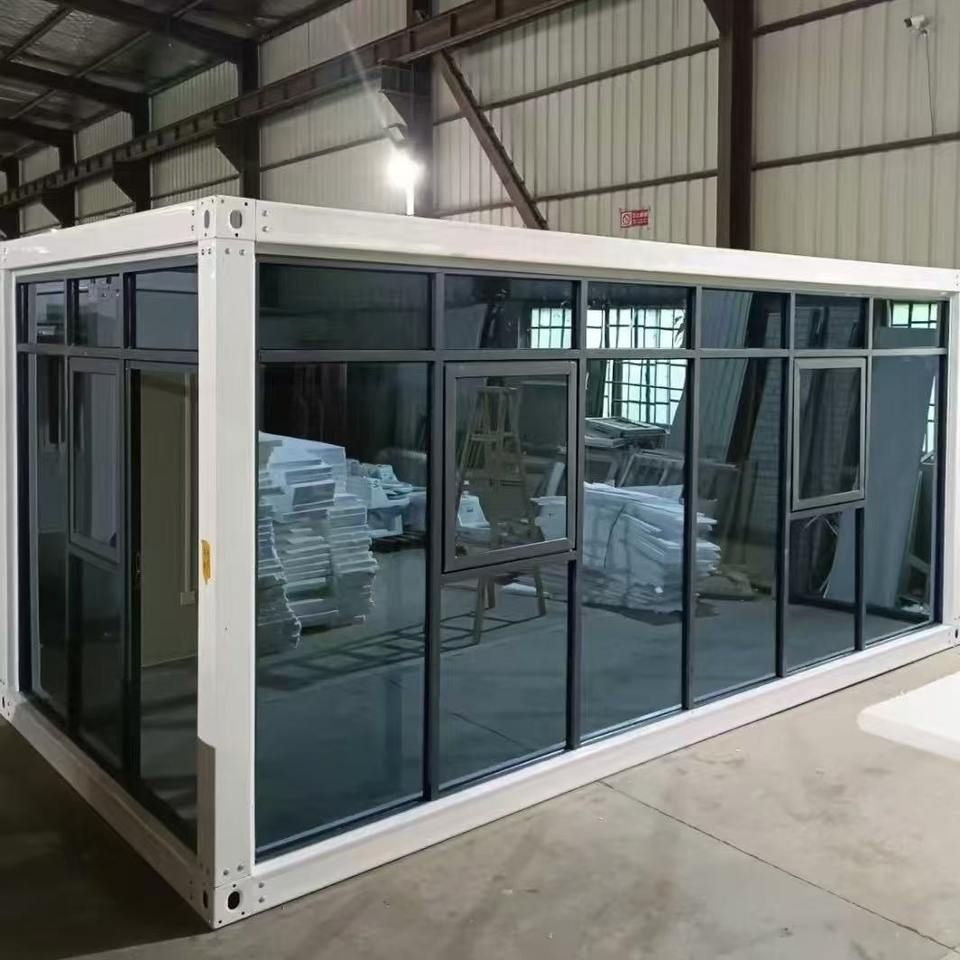
On regular cycling routes, mobile toilets usually exist as fixed facilities. For example, the pilot section of the Shantou Coastal Tourism Road includes mobile toilets at all rest stops, parking lots, and key checkpoints in its cycling route planning, with some toilets also equipped with simple hand-washing facilities. This layout ensures that cyclists can quickly find restroom facilities when passing through key nodes through scientific planning of locations. Meanwhile, the addition of hand-washing facilities further improves hygiene conditions, demonstrating the deep adaptation of mobile toilets to cycling scenarios.
For cycling needs in special scenarios, bike-style mobile toilets offer more flexible solutions. These toilets are not moved by cycling but are deployed by towing with human power or small vehicles. Their core design philosophy is "mobility" and "convenience," allowing for dynamic adjustments based on the scale of cycling activities and route characteristics. For example, in large-scale outdoor cycling events, organizers can temporarily add mobile toilets at the starting point, finishing point, and rest stops based on the number of participants and route length; in the early stages of developing cycling routes in remote areas, mobile toilets can serve as temporary sanitation facilities to fill the gap left by fixed toilets and be gradually removed once infrastructure is improved.
In practical applications, the deployment of mobile toilets needs to consider multiple factors. In terms of location selection, priority should be given to prominent locations along cycling routes, such as rest stop entrances and parking lot perimeters, to facilitate quick identification by cyclists; quantity allocation should be calculated based on pedestrian traffic during peak cycling times to avoid queues or resource idleness; maintenance and management require establishing regular cleaning and equipment inspection mechanisms to ensure that toilets are always available. For example, the Chengdu Tianfu Greenway once caused inconvenience to cyclists due to locked mobile toilets, highlighting the importance of the management aspect—even if the facilities themselves are reasonably designed, a lack of effective maintenance can still reduce user experience.



