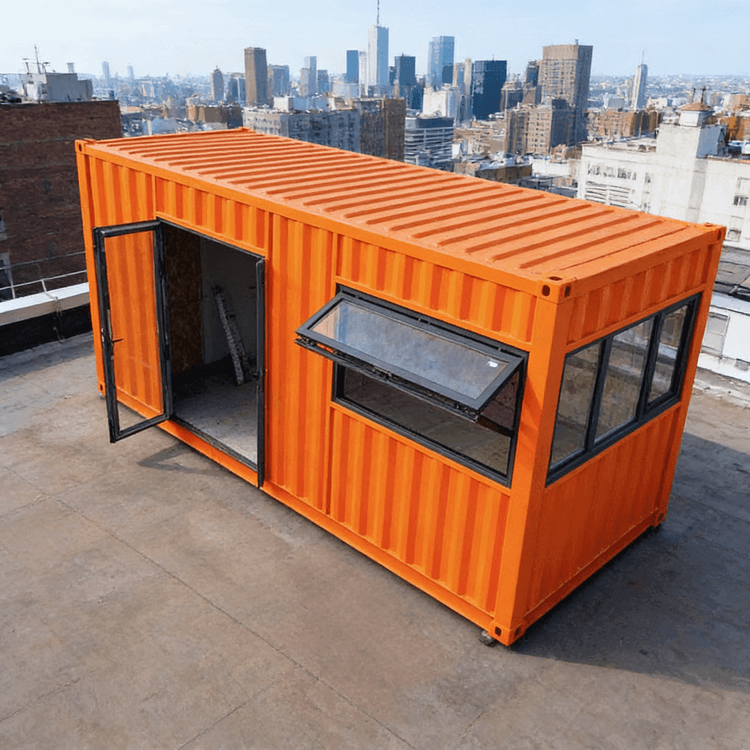
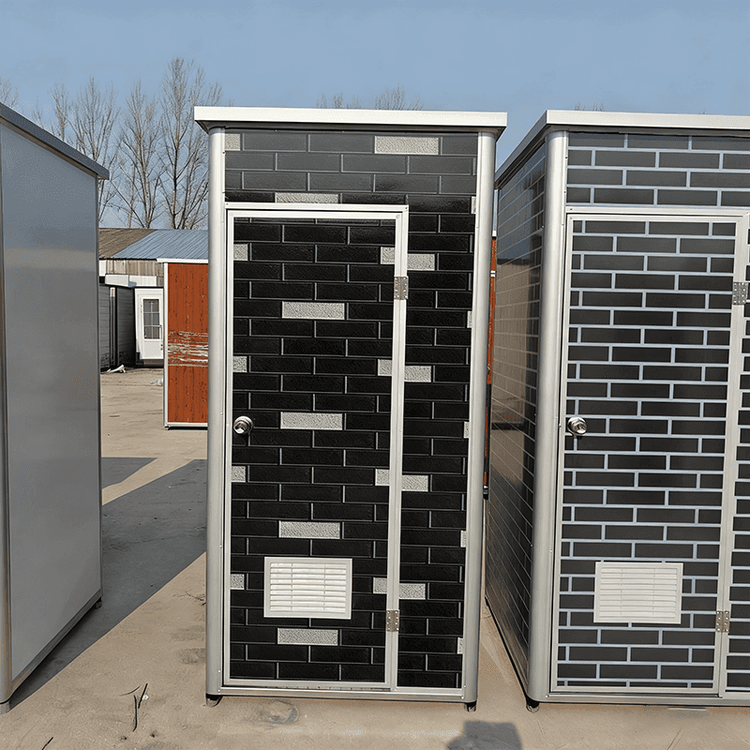
Mobile Toilet Floor - Iron Sheet
The floor of a mobile toilet is not simply made of iron sheets, but rather adopts a multi-layer composite structure or specific functional materials, with specific construction and material selection requiring comprehensive analysis based on product type and functional requirements.

1. Typical Construction of Multi-Layer Composite Structure Floors
The common design for mobile toilet floors is a multi-layer composite structure, arranged from bottom to top as follows:
- Supporting Framework: Utilizes a steel structural frame base (such as 20# hot-dip galvanized channel steel) or a thickened aluminum alloy frame. Galvanization prevents rusting and extends outdoor service life; aluminum alloy frames are lighter and more corrosion-resistant, suitable for weight-sensitive scenarios.
- Load-Bearing Base Layer: A base plate (such as a 15mm thick construction template) is laid on the frame to evenly distribute upper loads to the supporting structure, preventing deformation due to localized stress concentration.
- Smoothing Transition Layer: Structural adhesive is used for leveling (approximately 5mm thick) or a C30 concrete cushion is poured (approximately 50mm thick) to eliminate minor irregularities in the base layer and provide a flat foundation for the final surface layer.
- Final Surface Layer:
- Anti-Slip Tile Solution: 10mm thick anti-slip tiles are laid, with special textures on the surface to increase friction and prevent slipping, suitable for public scenarios with high foot traffic.
- Aluminum Alloy Floor Solution: A one-piece, thickened anti-slip aluminum alloy floor is used, featuring anti-slip patterns on the surface. It is wear-resistant, rust-resistant, and easy to clean, commonly used in high-end or outdoor mobile toilets.
2. Application Scenarios of Iron Sheet-Related Materials
Some mobile restrooms use an iron sheet-foam composite material for the overall structure (such as an outer layer of 0.8mm thick galvanized steel sheet + an inner layer of polyurethane foam), but such designs are typically for walls or the overall structure, not the floor. Galvanized steel sheets, after paint baking treatment, possess anti-rust and corrosion-resistant properties, while polyurethane foam provides thermal insulation and soundproofing effects. However, the floor still requires a separate design to bear weight and prevent slipping, so iron sheets are not used alone.
3. Simplified Design Using Aluminum Alloy Floors Directly
Some products, in pursuit of lightweight and durability, directly use thickened anti-slip aluminum alloy floors as the final tread surface layer. Such floors combine structural support and anti-slip functions, eliminating the need for additional multi-layer structures, but are more costly and are mostly used in scenarios with strict requirements for weight and corrosion resistance (such as offshore platforms or high-humidity areas).
In conclusion, the design of mobile toilet floors must balance load-bearing, anti-slip, corrosion resistance, and cleanliness requirements. Simple iron sheets cannot meet functional requirements, and multi-layer composite structures or functional materials (such as aluminum alloy) are the mainstream choices.