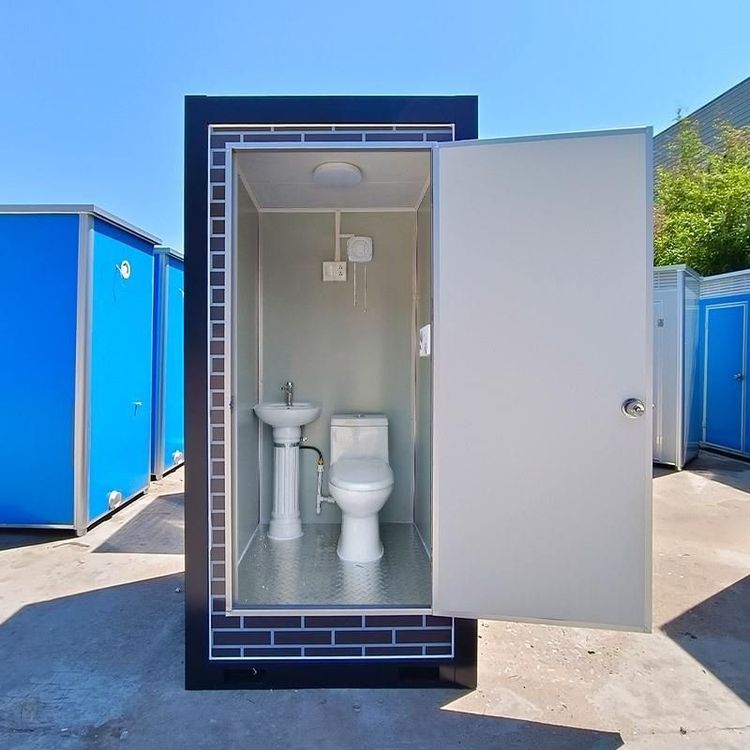
Mobile Toilet Feces Treatment
There are various methods for treating feces in mobile toilets, including direct discharge and feces tanks, chemical treatment, anaerobic digestion, and more.

Direct Discharge and Feces Tanks: This is a relatively common sewage discharge method. Direct discharge involves connecting to sewers or other systems to directly discharge feces. Feces tanks, on the other hand, collect feces inside the tank. When the feces in the tank reach a certain volume, centralized treatment is carried out. This method is simple and straightforward, suitable for places with complete sewage discharge facilities or specific requirements for feces collection.
Chemical Treatment: Chemical agents are added to decompose and eliminate excreta. These agents not only control odors but also promote the decomposition of feces. The treated excreta can be further processed through specialized equipment or flow into the sewage system for subsequent treatment. Chemical treatment can effectively reduce harmful substances in feces and lower environmental pollution.
Anaerobic Digestion: Anaerobic digestion systems are utilized to allow microorganisms to decompose and digest excreta. During this process, biogas is generated, which can be used for energy supply. Fertilizer is also produced, which can be used in agriculture or horticulture. This method not only reduces the volume of feces but also enables resource reuse. It is suitable for situations where one is away from treatment facilities for extended periods, such as field operations.
Compression and Storage: Compression equipment is used to reduce the volume of excreta, thereby delaying the need for treatment. This method is suitable for occasions where feces cannot be treated promptly for extended periods, such as camping or field construction sites. It effectively saves space and facilitates the storage and transportation of feces.
Regular Suction and Centralized Treatment: A sewage tank is installed at the bottom of the mobile toilet to collect feces and sewage. When a certain number of users have used the toilet or the sewage tank reaches a certain capacity, professional cleaning personnel regularly suction the contents to prevent overflow and maintain toilet hygiene and normal use. The suctioned feces and sewage are transported to specialized feces treatment centers for harmless treatment, which may include methods such as biodegradation, chemical treatment, or physical treatment. They can also be further converted into organic fertilizers or used for other resource recycling purposes.
You may also like
Portable Toilet Specifications Model Sizes & Dimensions: A Complete Guide
Read More
The Ultimate Guide to Container House Conversion
Read More
Portable Toilet Eco-Friendly Custom: A Practical Buyer's Guide
Read More