
Mobile Toilet Feces Cleaning
Mobile toilet feces cleaning typically employs regular suction, centralized treatment, and other auxiliary methods, requiring a combination of professional operation and regular maintenance to ensure hygiene and environmental protection.
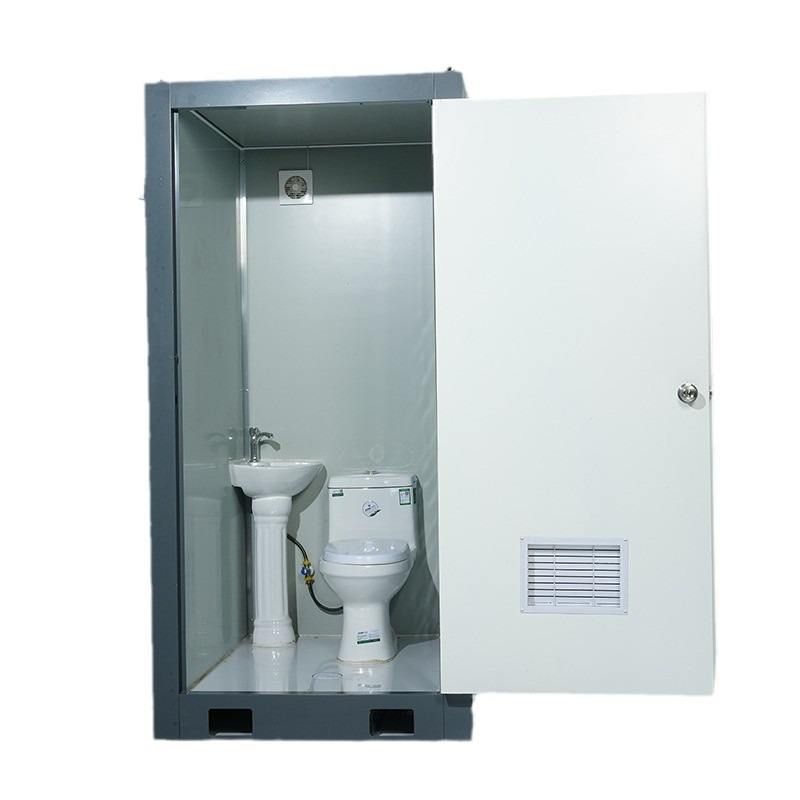
Regular Suction: The Core Cleaning Method
Mobile toilets are usually equipped with sewage tanks or fecal storage tanks at the bottom to collect feces and sewage. When the number of users reaches a certain level or the sewage tank capacity approaches its limit, professional personnel are required to use a fecal suction truck for cleaning. The fecal suction truck connects to the toilet's drainage outlet via pipes and uses negative pressure to draw the waste from the tank into a sealed tank, preventing leakage and odor diffusion. This process must strictly adhere to operational standards, such as checking pipe sealing, controlling suction speed, and preventing sewage overflow or equipment damage.
Centralized Treatment: A Key Link in Environmental Transformation
The feces and sewage suctioned out need to be transported to a professional treatment center for harmless treatment. Common methods include:
- Biodegradation: Utilizing microorganisms to decompose organic matter into carbon dioxide, water, and stable residues, reducing pathogens and pollutants.
- Chemical Treatment: Adding disinfectants or oxidants to kill bacteria and viruses while decomposing odor substances, reducing environmental risks.
- Physical Treatment: Separating solids from liquids through filtration, sedimentation, and other steps. Solids can be further composted, and liquids can be treated to meet discharge standards. Some treatment centers also adopt anaerobic digestion technology, decomposing excreta under anaerobic conditions to produce biogas (usable for power generation or heating) and organic fertilizer, achieving resource recycling.
Other Treatment Methods: Flexible Responses to Different Scenarios
- Chemical Agent Assistance: Adding biological enzymes or deodorizers inside the toilet to accelerate the decomposition of excreta and inhibit odors, extending the cleaning cycle.
- Compressed Storage: Using mechanical devices to compress waste volume, reducing storage space requirements, suitable for remote areas or temporary event scenarios.
- Multi-functional Drainage Outlet Design: Some mobile toilets are equipped with removable fecal storage tanks or pre-buried septic tanks, requiring manual cleaning and unified transportation for treatment, suitable for low-frequency use scenarios.
Precautions: Balancing Safety and Efficiency
- Regular Maintenance: Daily checks of sewage tank levels, toilet cleanliness, and equipment sealing, promptly replacing damaged parts to prevent leakage.
- Professional Operation: Feces suction and treatment must be carried out by trained and qualified personnel to avoid health risks or environmental pollution due to improper operation.
- Compliant Transportation: During transportation, sealed vehicles must be used, complying with traffic and environmental regulations to prevent secondary pollution.
Through scientific cleaning and standardized management, mobile toilets can meet public health needs while achieving efficient resource utilization and environmental friendliness.



