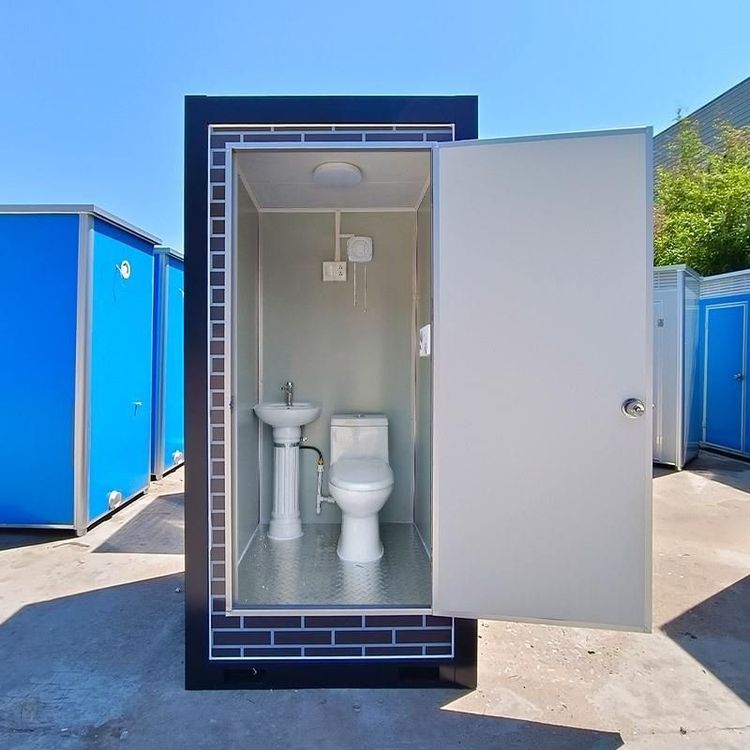
Mobile Toilet Fecal Tank Styles
Mobile toilet fecal tanks come in a variety of styles, primarily classified based on material, function, and usage scenarios. Here is a detailed introduction:

1. Classification by Material
- Stainless Steel Fecal Tanks: Made primarily of stainless steel, these tanks are corrosion-resistant, strong, and easy to clean. They are suitable for long-term outdoor use or scenarios with high hygiene requirements, such as tourist attractions and construction sites. Their good sealing properties effectively prevent odor leakage.
- Plastic Fecal Tanks: Utilizing high-density polyethylene (HDPE) and other plastic materials, these tanks are lightweight, cost-effective, and have a certain degree of impact resistance. They are commonly found in temporary or low-cost mobile toilets, such as those used in rural homes and construction site简易 (simplified) toilets.
- Fiberglass Reinforced Plastic Fecal Tanks: Made from fiberglass-reinforced plastic, these tanks combine lightweight properties with high strength, are resistant to chemical corrosion, and have a smooth surface for easy cleaning. They are often used in ecological public toilets or environments requiring long-term outdoor exposure.
- Color-Coated Steel/Steel Structure Fecal Tanks: Featuring a framework of color-coated steel plates or steel structures paired with other materials (such as plastic liners), these tanks are structurally stable and suitable for large mobile toilets or scenarios requiring heavy load-bearing, such as construction sites and event venues.
- Aluminum-Plastic Composite Panel Fecal Tanks: With an outer layer of aluminum-plastic composite panels and an inner layer possibly made of plastic or stainless steel, these tanks combine aesthetics with practicality and are commonly used in high-end mobile toilets or venues with high appearance requirements.
2. Classification by Function
- Mobile Toilets with Integrated Fecal Tanks: These toilets have a fecal tank integrated with the toilet body, where feces are directly stored in the tank and require regular cleaning. They are suitable for scenarios without a sewer system or for temporary use, such as in rural areas, construction sites, and outdoor events.
- Direct-Discharge Mobile Toilets: The fecal tank is directly connected to a septic tank or sewage discharge system via pipes, eliminating the need for frequent tank cleaning but requiring proper discharge conditions. They are commonly found in construction sites or tourist attractions with fixed sewage disposal facilities.
- Waterless Ecological Public Toilets: Utilizing biodegradation or packaging technology, these toilets may add microbial strains or use degradable bags in the fecal tank to reduce water consumption. They are suitable for water-scarce areas or scenarios with high environmental protection requirements, such as arid regions and ecological reserves.
3. Classification by Specification
The specifications of mobile toilet fecal tanks are usually related to the overall size of the toilet. Common dimensions include 1.3×1.3×2.35 meters and 1.1×1.1×2.35 meters. Specification selection should consider the number of users, space constraints, and transportation conditions. Small fecal tanks are suitable for single-person or low-usage scenarios, while large tanks can meet the needs of multiple users simultaneously.
Summary: The style of mobile toilet fecal tanks should be selected based on material properties, functional requirements, and usage scenarios. Stainless steel and fiberglass-reinforced plastic materials are suitable for long-term outdoor use; direct-discharge or ecological public toilet fecal tanks should be chosen based on sewage disposal conditions; and specification selection should balance space and capacity. Users can refer to the above classifications for reasonable selection based on their actual needs.