
Mobile Toilet Fecal Bucket
The selection of a mobile toilet fecal bucket should be based on a comprehensive consideration of the usage scenario, material characteristics, and functional requirements. The following is an analysis of the characteristics and purchasing considerations of fecal buckets for different types of mobile toilets:
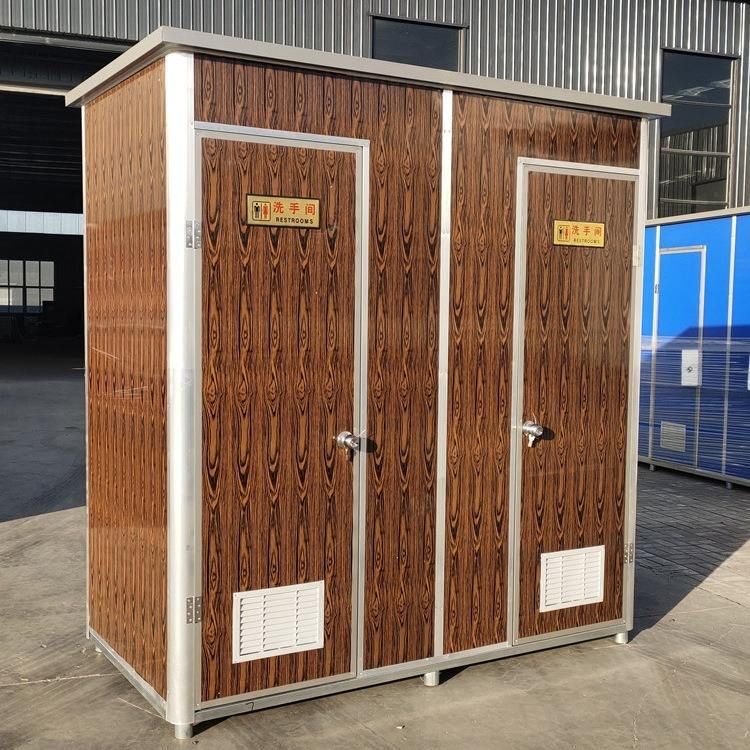
1. Matching of Material and Usage Scenario
Fiberglass-reinforced plastic (FRP) fecal buckets for mobile toilets are highly weather-resistant, with excellent UV and corrosion resistance, making them suitable for long-term outdoor use in construction sites and other scenarios. These buckets are less likely to deform under high-temperature exposure or low-temperature conditions and are lightweight, facilitating easy handling and installation. However, it should be noted that the sealing performance of FRP may be affected by long-term wear, and regular checks should be conducted to ensure that the sealing strips at the joints are not aged, preventing odor leakage.
2. Design of Fecal Buckets for Eco-Friendly Mobile Toilets
Eco-friendly mobile toilets typically employ biodegradation technology, with fecal buckets equipped with microbial strains or agitators to convert feces into organic fertilizer. Such buckets must meet two core requirements: first, the material must be resistant to biological corrosion, such as high-density polyethylene (HDPE) or stainless steel liners; second, the structural design should facilitate easy cleaning of residues, such as detachable inner buckets or inclined discharge ports. Users should pay attention to the replacement cycle of microbial strains and the efficiency of fertilizer conversion to avoid reduced treatment effectiveness due to strain inactivation.
3. Capacity and Load-Bearing Capacity of Fecal Buckets for Portable Toilets
The capacity of a portable toilet's fecal bucket directly affects usage frequency. For elderly family members, a capacity of 10-15 liters is recommended, while for short-distance self-driving trips, an 8-12 liter lightweight design can be chosen. In terms of load-bearing capacity, it is essential to ensure that the connection between the bucket and the seat is sturdy, such as through the use of reinforcing ribs or integrated molding processes. The closing force of the sealing lid should meet the IPX4 waterproof standard to prevent liquid leakage during transportation. Some high-end models feature a double-layer bucket design, with an outer layer for thermal insulation and an inner layer for odor prevention, suitable for extreme temperature environments.
4. Priority Ranking of Key Purchasing Parameters
For self-driving trips, the environmental friendliness of the bucket material > capacity > odor control design. Biodegradable materials (such as corn starch-based plastics) can reduce pollution to the natural environment, but it is necessary to confirm that their degradation conditions are suitable for the climate of the usage location. Capacity selection should balance the number of users and cleaning frequency, with a recommendation of over 12 liters for 2-3 person households. Odor control design should focus on the ventilation efficiency of the exhaust valve, with priority given to models equipped with activated carbon filters. A wide seat design can enhance usage comfort, especially for the elderly or those with mobility issues.



