How to Write a Review for Mobile Toilets
Evaluating mobile toilets requires a comprehensive consideration of practicality, environmental friendliness, cost-effectiveness, and user-friendly design. Their innovative designs significantly enhance the convenience and sustainability of public sanitation facilities.

1. Outstanding Practicality and Flexibility
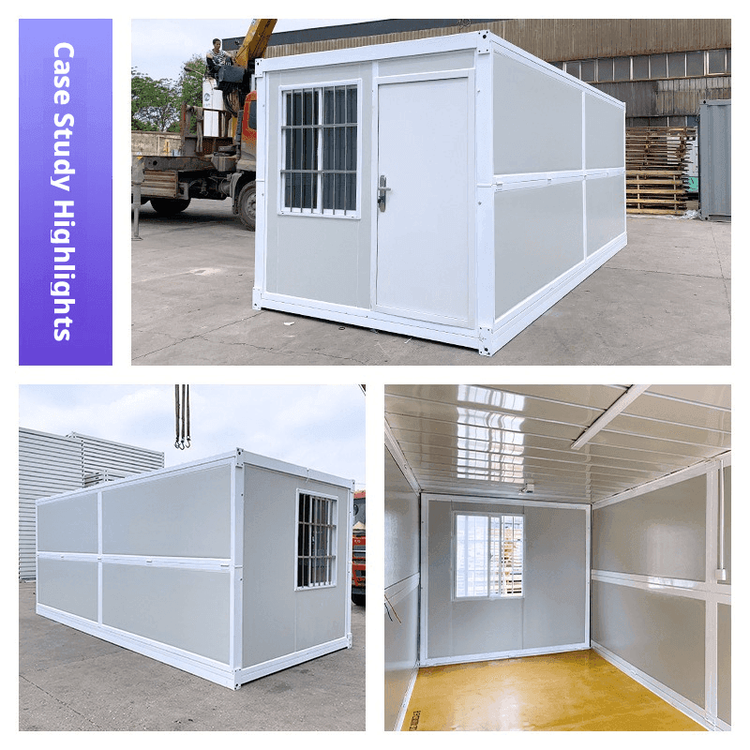
Mobile toilets break free from the fixed limitations of traditional toilets, eliminating the need for complex foundation construction. They can be quickly installed, dismantled, and relocated to various settings, such as construction sites, outdoor music festivals, and temporary exhibitions. Their mobility avoids resource waste and is particularly suitable for short-term or temporary needs. Additionally, designs tailored for individuals with mobility impairments, such as barrier-free facilities and anti-slip floors, significantly enhance safety. Some foldable models occupy minimal space when stored, further boosting practicality.
2. Diverse and Environmentally Friendly Treatment Technologies
Mobile toilets employ a variety of waste treatment methods, including waterless packaging, microbial degradation, and foam sealing. Among them, microbial degradation technology converts excreta into harmless substances through biological decomposition, reducing pollution. Water-saving designs, such as high-pressure water-air flushing and vacuum suction, can save 80%-90% of water resources, with some models not requiring flushing at all, aligning with environmental protection principles. These technologies not only reduce reliance on municipal sewage systems but also minimize wastewater discharge, which is crucial for ecologically sensitive areas.
3. Significant Economic Cost Advantages
Compared to traditional toilets, mobile toilets have lower initial investments, eliminating the need for site selection, civil engineering, and pipeline installation. The rental model further reduces short-term usage costs. Automated cleaning systems and low failure rates decrease the frequency of manual maintenance, extending cleaning cycles and making long-term operational costs more competitive. Additionally, their modular production model shortens construction periods and significantly reduces labor and material consumption.
4. Aesthetic and User-Friendly Design
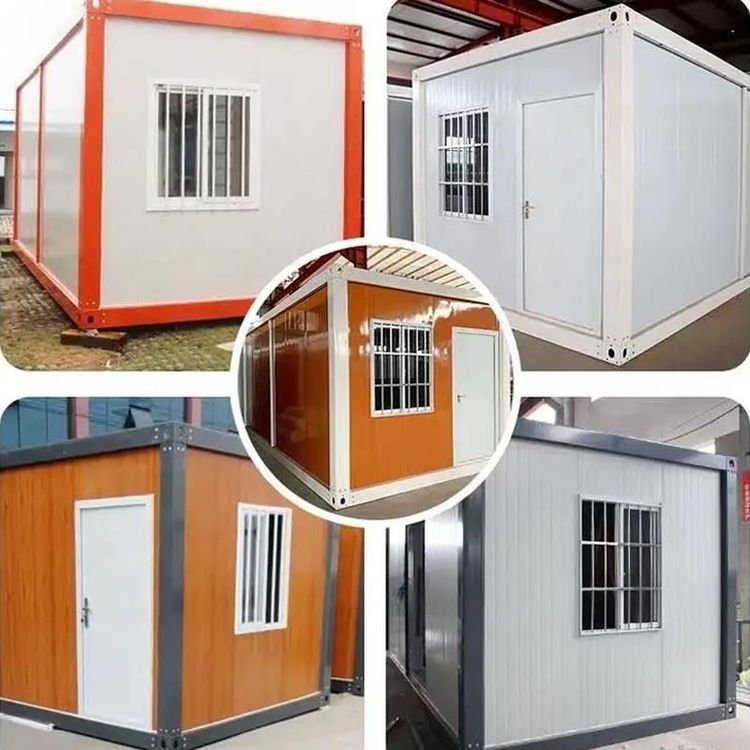
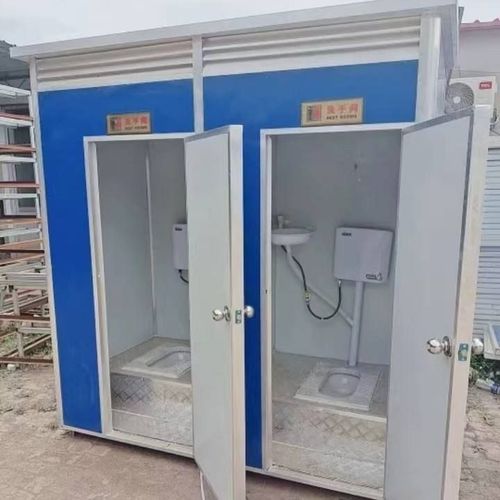
Mobile toilets offer a variety of colors and materials to blend seamlessly with their surroundings, avoiding a jarring appearance. High-end models integrate facilities such as lighting, sinks, and ventilation systems to enhance user comfort. Ventilation designs effectively reduce odors, while anti-slip floors and sturdy structures ensure safety. Some products are optimized for special needs, such as barrier-free entrances designed for the elderly or disabled, reflecting humanistic care.
5. Efficient Space and Resource Utilization
Mobile toilets occupy only one-third to one-half of the space of traditional toilets, making them ideal for settings with limited land resources. Their prefabricated production model (factory-made, on-site assembly) shortens construction periods and requires fewer building materials, further conserving resources. Their "plug-and-play" nature makes them an ideal choice for emergency relief and public sanitation construction in remote areas.