Back to blog
Article
Baiyin Mobile Toilet Description
Admin September 29, 2026
There are mainly two types of mobile toilets in Baiyin: those with an aluminum-zinc-plated steel main body material and those with a high-reflectivity alloy coating material.

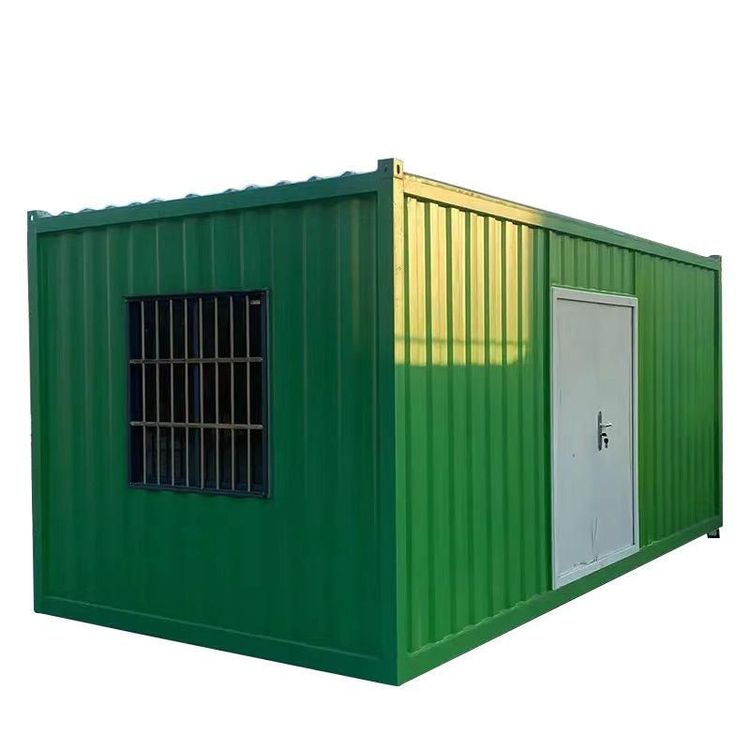
Aluminum-Zinc-Plated Steel Main Body Material Type
- Material Characteristics: The main structural material is an aluminum-zinc-plated steel plate formed by high-temperature fusion of 55% aluminum, 43.4% zinc, and 1.6% silicon. A dense oxide layer forms on the surface. Aluminum oxidation generates an aluminum oxide film that provides barrier protection, while zinc acts as a sacrificial anode at cut or scratched areas to delay corrosion of the iron substrate. In atmospheres containing sulfides, its weather resistance is superior to that of ordinary steel.
- Structural Design: It adopts a modular box structure. The wall panels are filled with polyurethane foam material with a closed-cell rate exceeding 90%. The floor panel features a double-layer design consisting of a non-slip aluminum plate and an underlying anti-leakage tray, with a maintenance gap in between.
- Mobility: There are two mobility methods: integral mobility (standard container corner fittings are welded at the bottom of the box, and the entire unit is transported using lifting equipment) and assembled mobility (each panel can be disassembled for transport to the site and then reassembled). The sewage system is temporarily connected using flexible reinforced corrugated pipes, with sealing rings and quick clamps at the joints.
- Sewage System Design: In cold climates, the pipes are wrapped with electric tracing tapes and covered with thermal insulation materials. The control system automatically adjusts the heating power based on temperature sensors. For odor control, in addition to exhaust pipes, a micro negative-pressure device can be installed. Waste is usually connected to a prefabricated septic tank or municipal sewer network, and some models integrate a biodegradation device.
- Maintenance Management: For daily cleaning, use a neutral detergent to rinse the surface of the aluminum-zinc-plated steel. For structural inspections, check if the fasteners are loose. After frequent movement, the bolts need to be retightened. Regularly inspect the aging of the seals in the pipe system, and it is recommended to replace the flexible connecting pipes every two years.
High-Reflectivity Alloy Coating Material Type
- Material Characteristics: The coating is attached to the surface of the toilet shell through a vacuum coating process, forming a protective film of about 0.8 microns. It has a solar radiation reflectivity of over 85%, effectively reducing the accumulation of internal temperature. In summer, the internal temperature is 5 - 8 degrees Celsius lower than that of traditional dark-shell mobile toilets. It also has anti-ultraviolet aging ability, extending the outdoor service life by about 40%.
- Structural Design: The ventilation system adopts a negative-pressure exhaust design, with the air being completely replaced 15 - 18 times per hour. The excreta treatment unit is equipped with a biodegradation system that operates independently of the temperature control system. The modular separation design facilitates maintenance and inspection, and the replacement time for a single module does not exceed 30 minutes.
- Mobility Performance: The load-bearing chassis is made of a honeycomb sandwich composite material, with a self-weight that is 65% of that of a traditional steel chassis. The four-point support hydraulic system can adapt to ground slopes of ±10 degrees. In the transport state, the overall height is compressed to 2.2 meters, meeting road transport standards.
- Adaptability to Usage Scenarios: The high-reflectivity coating has obvious advantages in high-sunlight areas such as deserts and seashores, but its temperature regulation effect is weakened in regions with frequent rainy weather. The manufacturer provides coating thickness adjustment solutions, and the product can adapt to a temperature range from minus 25 degrees Celsius to plus 50 degrees Celsius.
- Maintenance System: The aging degree of the coating can be quantitatively evaluated using a color difference detector. When the reflectivity drops to 70% of the initial value, the system prompts for maintenance. The internal functional modules are equipped with operating status monitoring sensors, and the operating logs are recorded using local storage.