Where Are Mobile Toilets Environmentally Friendly
The environmental friendliness of mobile toilets is mainly reflected in aspects such as material and structure, diverse types with energy efficiency, and a wide range of applications that reduce pollution.

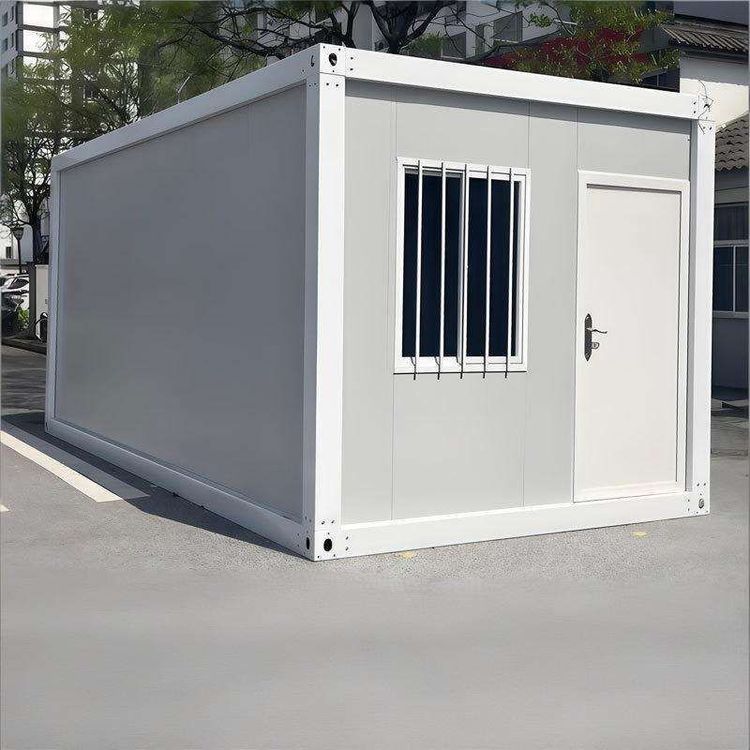
Environmentally friendly materials and structure: The main frames of some mobile toilets are made of steel, and the exterior walls use metal carved panels. For example, products like the scenic-area-specific mobile environmental toilets from Guyijia and those from Henan Qiantong Environmental Protection Equipment Co., Ltd. adopt this material. This material and structural design are sturdy and durable, not prone to rust, and conducive to long-term use. Compared with traditional toilets, their materials have a smaller impact on the environment during production and use. Moreover, long-term use reduces resource waste and waste emissions caused by frequent replacements or repairs, embodying the environmental protection concept from the source.
Diverse types and energy efficiency: Mobile toilets are produced in various types, including waterless packing mobile toilets, foam-sealing mobile toilets, water-flushing mobile toilets, and solar-powered mobile toilets. Among them, solar-powered mobile toilets utilize solar energy, can operate independently of the power grid, greatly saving social resources and reducing dependence on and consumption of traditional energy sources. Waterless packing mobile toilets do not require water, reducing water consumption, and have a particularly significant advantage in water-scarce areas. Foam-sealing mobile toilets are hygienic and have low energy consumption. They seal odors with foam, reducing the use of cleaning water and deodorizers and lowering environmental pollution.
Wide range of applications and pollution reduction: Mobile toilets are small and lightweight, using lightweight stainless aluminum steel. They are single-unit toilets with low energy consumption and operating costs. They can be widely used in areas with environmental and conditional restrictions, such as large conference venues, squares, tourist attractions, and construction sites. Reasonable construction of mobile toilets can avoid the pollution of air quality caused by indiscriminate toilet construction, which affects residents' moods. Improperly located traditional toilets may generate odors and breed bacteria, polluting the surrounding environment. In contrast, the reasonable layout of mobile toilets can effectively avoid these problems, playing an important role in the development of urban greening and environmental protection, improving the overall air freshness index, facilitating people's lives, enhancing living standards, and also improving people's quality levels from another aspect, representing a social progress.