
Mobile Toilet Environmental Impact Report
The environmental impact of mobile toilets is primarily reflected in multiple aspects such as resource utilization, treatment technologies, application scenarios, full life cycle, and system management, demonstrating significant overall environmental benefits.
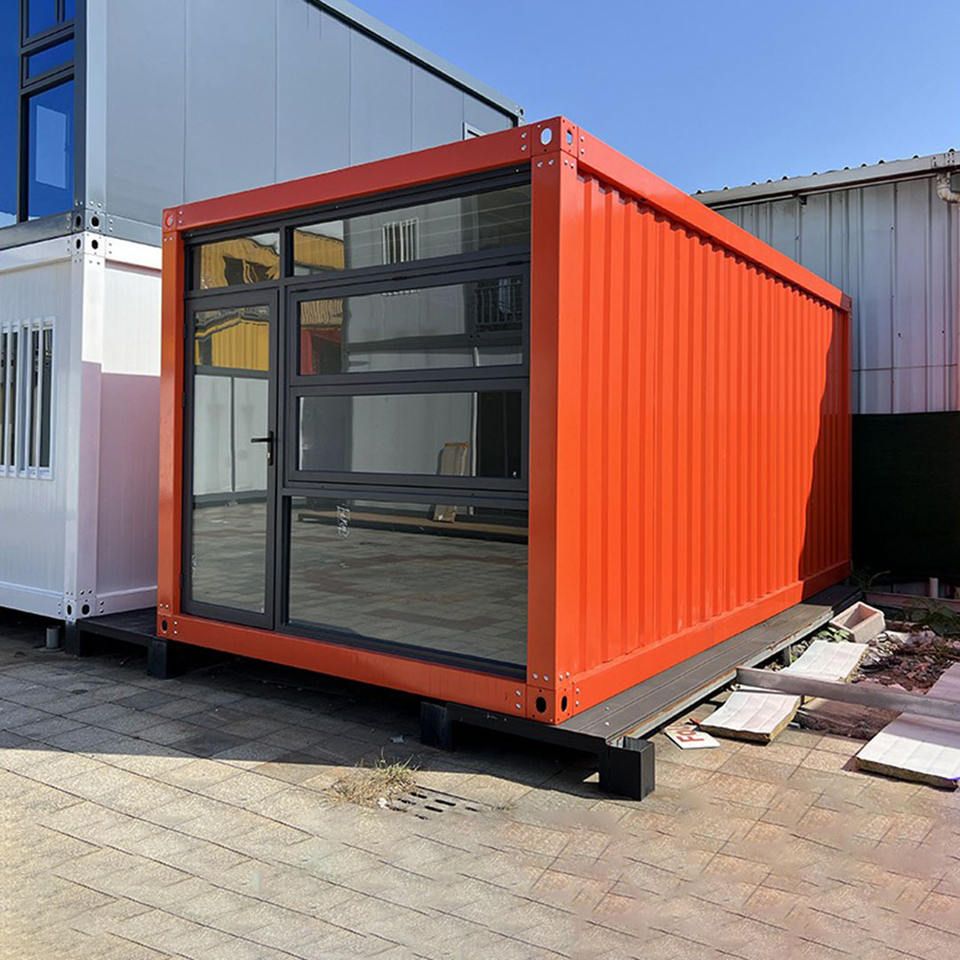
Resource Utilization and Construction Phase
Traditional fixed toilets require professional land occupation, underground pipeline connections, and concrete construction, resulting in significant material consumption and land hardening. In contrast, mobile toilets utilize prefabricated structures, eliminating the need for foundation construction and substantially reducing energy and material inputs during the construction phase, thereby lowering dependence on natural resources.
Internal Treatment Technologies and Environmental Benefits
Mobile toilet treatment technologies fall into three categories:
- Flush Type: Requires connection to municipal pipelines or equipped with water storage facilities, with relatively high water consumption but better sanitary conditions.
- Waterless Packing Type: Encapsulates waste using biodegradable films, isolates odors, and transports collected waste for unified treatment, preventing soil and water source pollution.
- Biodegradable Type: Utilizes microorganisms to decompose organic matter, producing carbon dioxide, water, and harmless residues. The residues can be used as organic fertilizers, achieving source reduction and harmless treatment with minimal pollution.
Environmental Benefits in Different Application Scenarios
- Large-scale Events: Facilities can be disassembled and transported after centralized deployment, avoiding resource waste from temporary construction.
- Construction Sites: Adoption of biological treatment technologies reduces reliance on pipelines in undeveloped areas, preventing indiscriminate discharge that could pollute soil and water bodies.
- Emergency Scenarios: Rapidly blocks fecal-oral transmission routes, preventing secondary public health incidents, with significant environmental benefits.
- Grassland Scenarios: Avoids pollution of groundwater and spread of pathogens by traditional dry toilets, protecting fragile ecosystems.
- Low-temperature Scenarios: Adapts to low-temperature environments, reducing resource waste and pollution caused by equipment damage in winter.
Full Life Cycle Environmental Impact and Optimization
- Material Manufacturing: The toilet bodies are mostly made of recyclable fiberglass or polyethylene, but the production process involves energy consumption.
- Transportation: Lightweight design reduces carbon emissions, while the rental service radius and scheduling efficiency affect overall energy consumption.
- Usage Phase: Water consumption, chemical cleaners, and waste transportation are the main environmental loads, which can be optimized through solar power and biological treatment agents.
- End-of-life Treatment: Standardized components can be disassembled and recycled, reducing the environmental impact of waste.
System Management Benefits
The popularization of mobile toilets promotes a shift in urban public resource management from "supply-driven" to "demand-responsive," reducing facility idleness or overconstruction and improving resource utilization efficiency. Especially in seasonal tourist cities or large-scale event areas, they complement fixed toilets and enhance the resilience of the sanitation infrastructure network.



