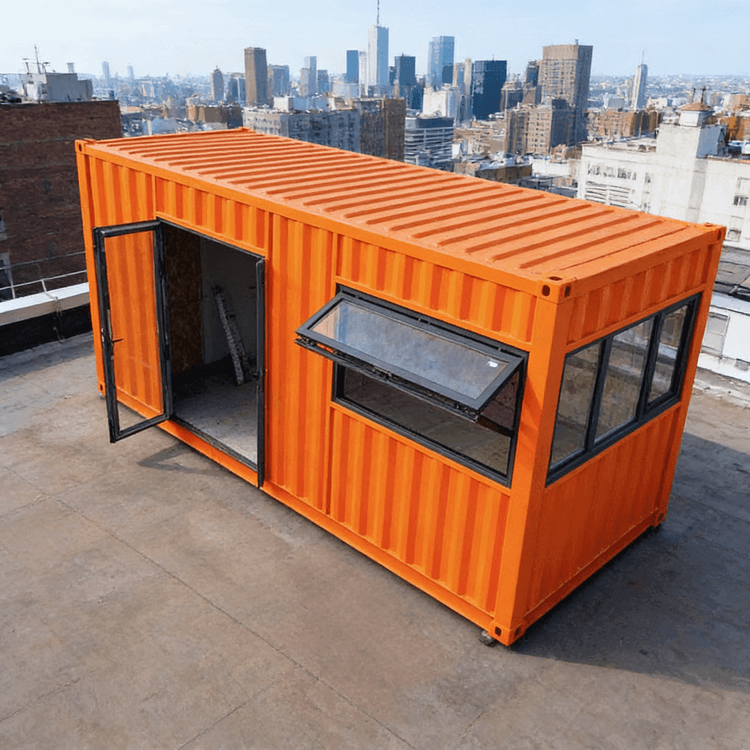
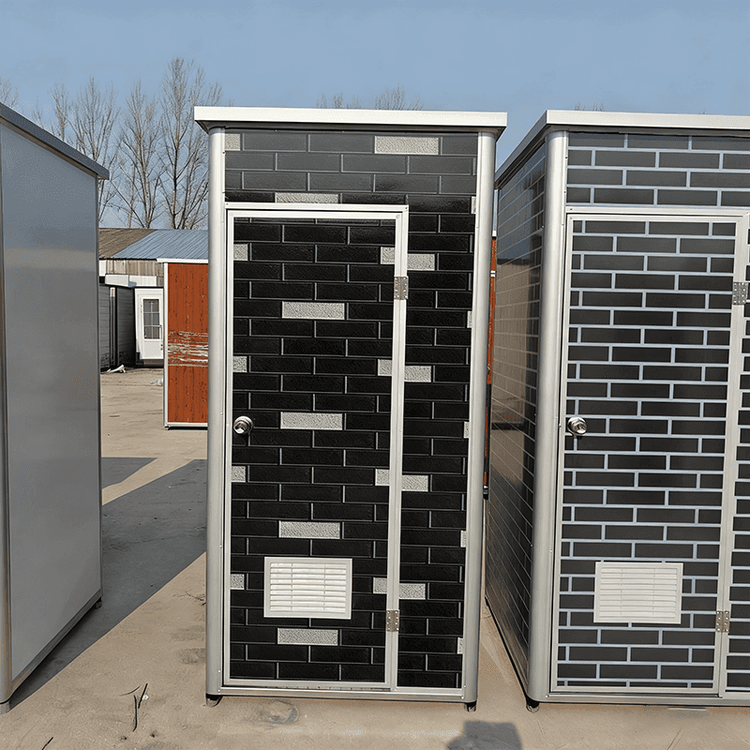
Environmental Advantages of Mobile Toilets
The environmental advantages of mobile toilets are primarily reflected in three aspects: efficient sewage treatment, water resource conservation, and adaptability to areas without sewage networks. Their technological design significantly reduces the negative impact on the environment.

1. Advanced sewage treatment systems enable efficient waste conversion
Modern mobile toilets are generally equipped with biodegradation or physicochemical treatment technologies. Through microbial decomposition or chemical treatment in a closed environment, organic matter in feces is converted into carbon dioxide, water, and a small amount of minerals. For example, after adding specific bacterial strains to some equipment, the volume of waste can be reduced to less than 15% of its original state without the need for external sewage discharge pipes. This process not only avoids the reliance of traditional toilets on septic tanks or municipal sewage networks but also reduces the risk of secondary pollution during transportation and treatment. Additionally, some equipment further kills pathogens through high-temperature sterilization or ultraviolet disinfection technologies, ensuring that emissions comply with environmental standards and controlling pollution diffusion at the source.
2. Water-saving designs significantly reduce water consumption
Mobile toilets have significantly reduced flushing water consumption through technological innovation. For example, equipment using a combination of "foam sealing + microfiltration" technology utilizes the surface tension of foam liquid to cover excreta, suppressing odor diffusion while reducing the single flush volume from 6 liters in traditional water-flush toilets to 0.2 liters. At the same time, the treated liquid undergoes three-stage filtration (sedimentation, activated carbon adsorption, and ultraviolet disinfection) and is then recycled for flushing, with a recycling rate of over 95%. This design is particularly important in arid regions or temporary events, effectively alleviating water resource pressure and avoiding ecological burdens caused by excessive water use.
3. Adaptability to areas without sewage networks reduces potential environmental impacts
Traditional toilets rely on municipal sewage networks, while mobile toilets achieve "zero emissions" in areas without sewage networks through biological conversion and physical filtration technologies. Their core does not rely on expanding the capacity of sewage storage tanks but rather on converting waste into harmless substances or recyclable resources through technological means. For example, in remote scenic spots, temporary construction sites, or disaster relief sites, mobile toilets can be quickly deployed without the need for pipeline laying, avoiding the risk of damaging surface vegetation or contaminating soil due to construction while reducing long-term maintenance costs, demonstrating the flexibility of environmentally friendly facilities.
In conclusion, mobile toilets achieve a balance between pollution control, resource conservation, and ecological adaptability through technological innovation, providing an effective solution for sustainable environmental management.