Mobile Toilet and Dry-Wet Kitchen
Mobile toilets and dry-wet kitchens are two types of facilities with independent functions but partially overlapping design concepts. Mobile toilets can achieve simple dry-wet separation through modular expansion, while the complete concept of dry-wet kitchens is not explicitly mentioned in the available information, but mobile kitchen-bathroom units possess basic functional integration characteristics.
Core Characteristics and Design of Mobile Toilets
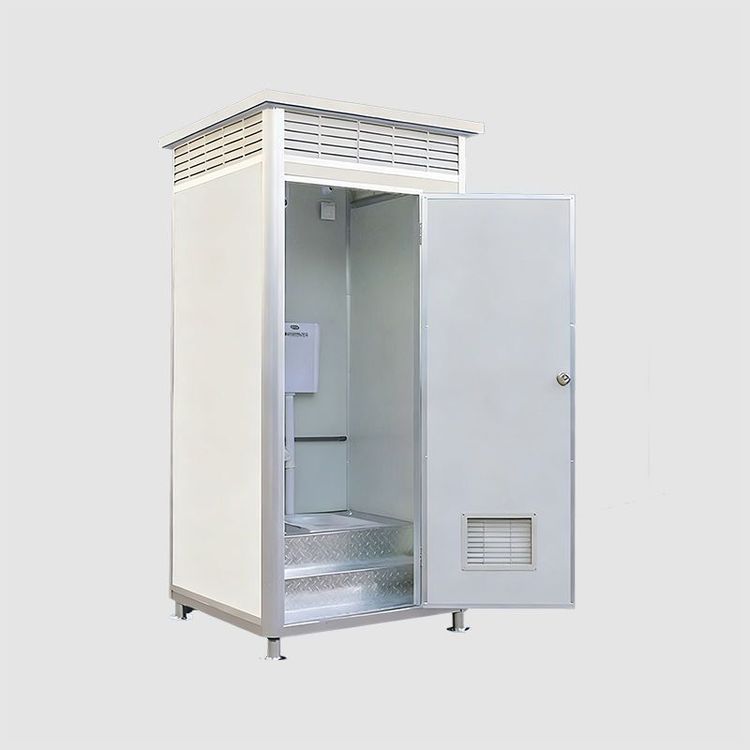
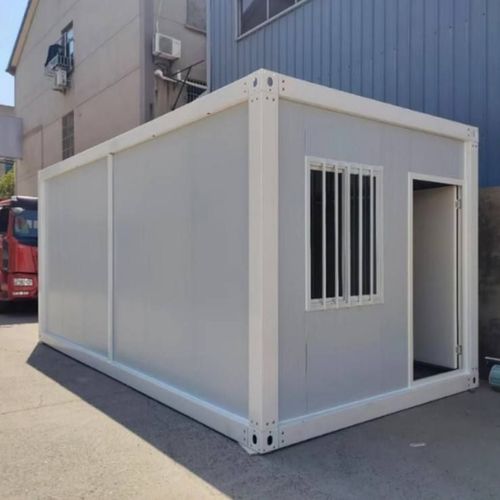
Mobile toilets integrate the functions of traditional fixed toilets into a detachable structure through modular design. The main frame is made of metal materials (such as aluminum alloy or galvanized steel), covered with color-coated steel plate edges on the outside, and filled with foam material in the inner sandwich layer for thermal insulation. Their functional configurations include plastic windows, metal locks, and color-coated steel edge treatments. Some models can be expanded to include shower functions, forming simple shower rooms. Dry-wet separation design is an important concept for mobile toilets. It separates wastewater from solid waste through drainage channels and collection buckets, preventing cross-contamination. This design is suitable for scenarios such as new rural reconstruction, outdoor construction sites, and tourist attractions. For example, at large music festivals, the drainage channels of mobile toilets can quickly divert urine to the collection buckets, while solid waste is collected through an independent channel, facilitating subsequent classification and disposal.
Concept Analysis of Dry-Wet Kitchens and Association with Available Information
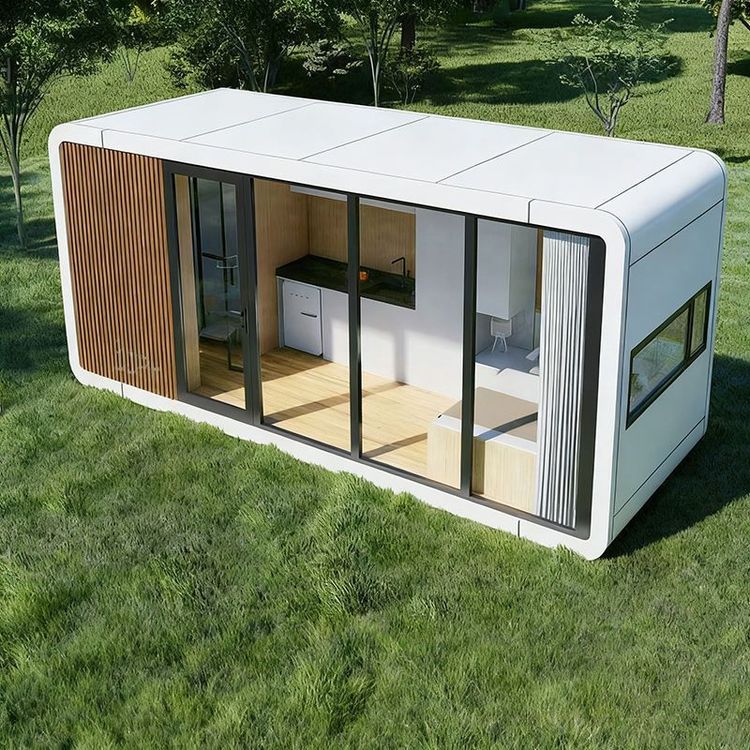
The complete definition of a "dry-wet kitchen" is not directly mentioned in the reference information, but descriptions of mobile kitchen-bathroom units provide some clues. These facilities are usually fully equipped with water and electricity, including electric basins, flush tanks, switches, ventilation fans, and exhaust fans. The drainage pipes are pre-installed, and they can be used immediately after connecting to water and electricity. Their functional integration characteristics have a potential association with the dry-wet separation concept: If the kitchen operation area (dry area) and the cleaning area (wet area) are separated by physical partitions or drainage systems, it can be regarded as a simple dry-wet kitchen. For example, a mobile kitchen-bathroom unit may have the cooking area and the sink area set up independently, with a drainage pipe installed under the sink directly connected to the waste collection system, while the cooking area is equipped with independent ventilation equipment to reduce the impact of water vapor on electrical appliances. However, the available information does not clearly state whether such facilities strictly follow dry-wet separation standards, and this needs to be judged based on the specific product design.
Similarities and Differences in Design Concepts
The common points between mobile toilets and dry-wet kitchens lie in modularity and mobility, both achieving rapid deployment and disassembly through standardized components. The differences lie in functional focuses: mobile toilets focus on sanitation needs, emphasizing waste treatment and odor isolation design; dry-wet kitchens (if they exist) focus on cooking efficiency and cleaning convenience, requiring consideration of油烟 emission and water stain management. If the dry-wet separation design of mobile toilets is extended to kitchen scenarios, its drainage channel and collection bucket separation technology can be borrowed to optimize the wastewater collection system in the wet area of the kitchen, improving the environmental friendliness of temporary catering facilities.