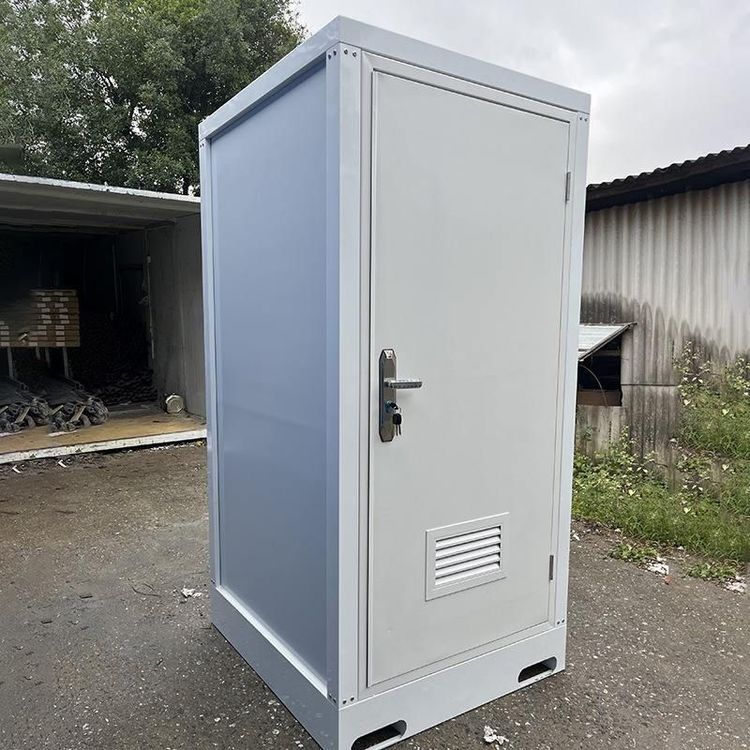
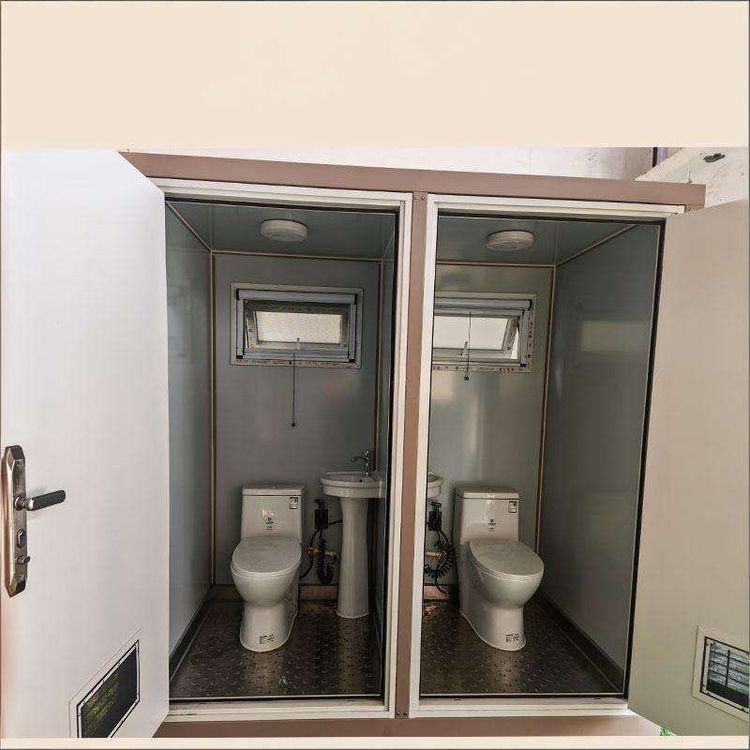
Which is Better: Mobile Toilets or Dry Toilets?
Among dry-type mobile toilets, Haonaisi Industry and Trade and Zhongyunhui Technology are superior choices, depending on matching technical advantages to specific needs.

I. Haonaisi Industry and Trade (Shanghai) Co., Ltd.: High Cost-Effectiveness and Scenario Adaptability
Core Advantages: As one of the earliest developers of mobile toilets in China, its products focus on sealing, material durability, and ease of use as core competitive strengths. They undergo rigorous functional testing (e.g., durability assessments) and are suitable for diverse scenarios such as construction sites and tourist attractions.
Technical Highlights:
- Full-Process Integrated Management: From R&D to sales, the company bases its operations on market research and user interviews, emphasizing detailed design (e.g., pit layout, sewage connections) and supporting customized requirements (e.g., number of pits, sewage disposal methods).
- Broad Scenario Adaptability: Products are field-tested and can withstand high-intensity usage environments (e.g., densely populated construction sites). Localized transportation and installation services are provided to reduce long-term maintenance costs.
Suitable Scenarios: Users with limited budgets who need coverage across multiple scenarios (e.g., construction sites, outdoor events) should prioritize basic or customized models.
II. Zhongyunhui (Chengdu) Technology Group Co., Ltd.: Zero Emissions and Smart Management
Core Advantages: Breaking through the limitations of traditional dry toilets with waterless biological degradation technology, it addresses odor and pollution issues, saving over 3,000 tons of water annually. This makes it ideal for water-scarce regions or scenarios with strict environmental requirements.
Technical Highlights:
- Microbial Degradation System: Excreta is converted into organic fertilizer on-site using proprietary bacteria, achieving zero emissions and avoiding secondary pollution risks associated with traditional dry toilets.
- AI Dynamic Temperature Control: Equipped with the "Yunhui Universal IoT Operating System," it regulates internal temperature via algorithms to ensure stable operation in extreme environments (-20°C plateaus or high-temperature areas), extending equipment lifespan.
Suitable Scenarios: Water-scarce regions (e.g., northwest tourist attractions), areas with strict environmental regulations (e.g., ecological reserve construction sites), or users requiring smart monitoring (e.g., remote management).
III. Purchase Recommendations: Decide Based on Priority Needs
- Prioritize Quality and Versatility: Choose Haonaisi Industry and Trade, whose products are market-tested for long-term reliability, high cost-effectiveness, and rapid deployment capabilities.
- Focus on Environmental Protection and Smart Features: Choose Zhongyunhui Technology, whose technology aligns with low-carbon trends and is suitable for long-term use or high-value scenarios (e.g., premium tourist attractions).
- Customization Needs: Both brands offer customization services for pit quantity, sewage disposal methods, etc. Users should communicate parameters like user count and frequency in advance.
Industry Trend Insight: The market share of dry-type mobile toilets is projected to reach 34% by 2026, with user priorities being product quality (37%), odor control (28%), and durability (21%). Both brands excel in these metrics.