
Mobile Toilet Double Design
The mobile toilet double design is a portable sanitation facility designed for simultaneous use by two people, consisting of two separate compartments, with an emphasis on practicality and durability.
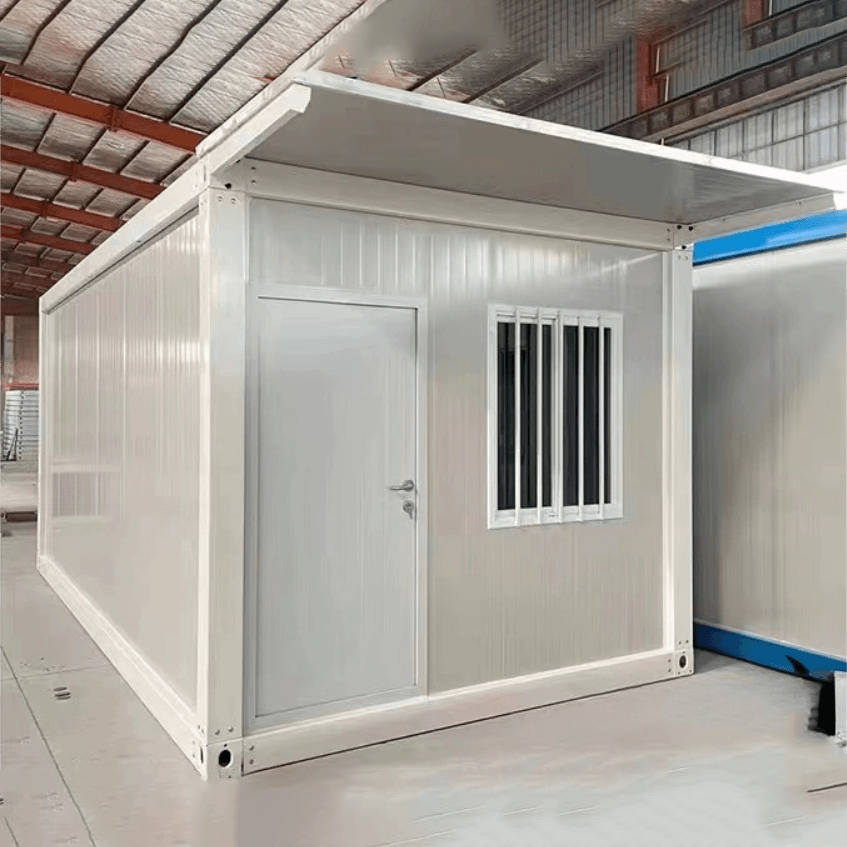
I. Structure and Materials
Double mobile toilets typically adopt a modular design, comprising two separate compartments, each equipped with a toilet, sink, and ventilation system. The materials used are mostly high-strength plastics or composite materials, which are lightweight, corrosion-resistant, and wear-resistant, facilitating easy transportation and installation while withstanding wind and rain erosion and physical damage from daily use.
II. Application Scenarios
Their flexibility makes them suitable for various scenarios:
- Large-scale outdoor events: Such as music festivals, sports events, etc., they can be quickly deployed to alleviate toilet pressure during peak人流 (replaced with 'visitor' or 'attendance' for better English: visitor/attendance) periods and reduce queuing times.
- Construction sites: They provide convenient sanitation for workers, avoiding the inconvenience caused by high construction costs or unreasonable locations of fixed toilets.
- Emergency response: In natural disasters or public health events, they can be rapidly transported to disaster areas to maintain basic sanitation conditions and reduce the risk of disease transmission.
III. Advantages and Characteristics
- Economy: They do not rely on fixed infrastructure, saving on construction and maintenance costs; purchase prices range from several thousand to ten thousand yuan, with daily rental fees typically a few hundred yuan, making them suitable for short-term events.
- Efficiency: The double design increases usage efficiency per unit time, reducing user waiting times.
- Flexibility: They can be relocated as needed to avoid resource waste, such as being moved to other venues for continued use after an event ends.
IV. Hygiene and Maintenance
Each compartment is usually equipped with disposable toilet seat covers or automatic cleaning devices to reduce the risk of cross-infection. Daily maintenance includes regular garbage removal, replenishment of toilet paper and hand soap, and surface disinfection to ensure a hygienic and safe usage environment.



