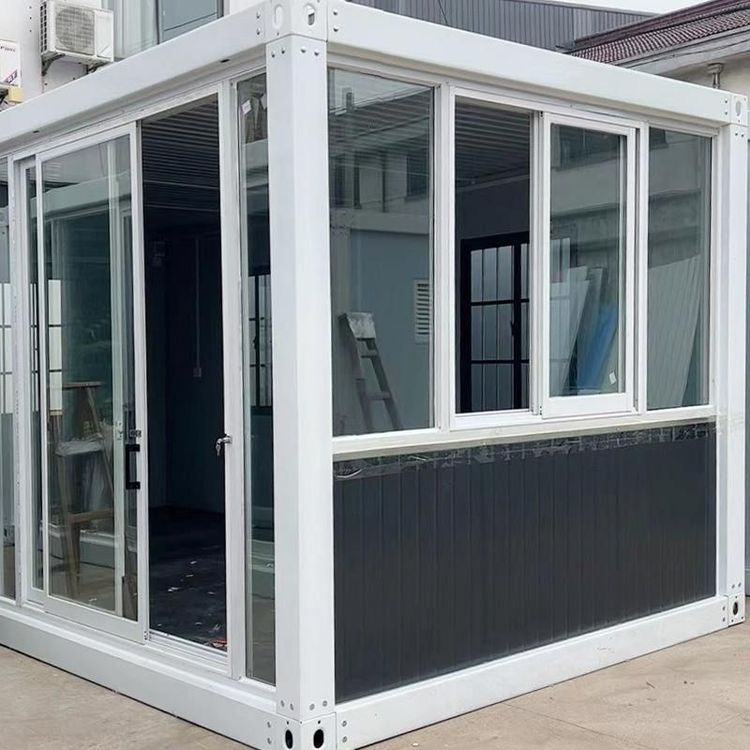
Mobile Toilet Door Panel Cutting
The cutting of mobile toilet door panels needs to be customized according to the actual door opening size and material characteristics, and there is currently no unified standard size or specification. Here are the specific instructions:
1. Solid Wood Panel Cutting Process
If solid wood panels are used as the door panel material, the following steps should be followed:
- Measure the door opening size: Use a tape measure to accurately measure the height, width, and thickness of the door opening to ensure accurate data.
- Surface pre-treatment: Use an electric planer to plane the surface of the wood panel to make it flat and smooth, avoiding dimensional deviations during subsequent cutting due to an uneven surface.
- Cut according to the size: Use a saw to cut the wood panel to the appropriate length and width according to the measured data. When cutting, an installation gap (usually 2-5 millimeters) should be reserved to accommodate the expansion and contraction of the door frame and installation requirements.
2. Reference from Storage Tank Modification Cases
In homemade mobile toilets, wood panels are often used as door panel materials and are connected to the storage tank frame through hinges. In such cases, the following should be noted when cutting the door panels:
- Structural adaptability: The size of the door panel should completely match the opening of the storage tank frame to avoid installation difficulties or poor sealing due to mismatched sizes.
- Reserve the hinge installation position: Mark the installation position of the hinges in advance during cutting and reserve enough space (usually the thickness of the hinge plus 1-2 millimeters) to ensure that the door panel can open and close flexibly.
3. Customized Services in Industrial Production
Some mobile toilet door manufacturers (such as Hebei Fengyi Doors and Windows Technology, Renqiu Ouchuang Stainless Steel Door Processing Factory, etc.) offer customized services, which may involve the door panel cutting process. However, such process parameters are usually the core technologies of the manufacturers and are not publicly disclosed. If users need industrial production, they can contact the manufacturers to provide the door opening size and material requirements, and have the cutting and installation completed by professionals.
4. Key Considerations
- Influence of material characteristics: The cutting processes for different materials (such as solid wood panels, composite panels, and metal panels) are different. For example, solid wood panels need to consider the wood grain and moisture content to avoid deformation after cutting; metal panels require the use of special cutting tools to prevent burrs on the edges.
- Design of safety gaps: An appropriate gap should be reserved between the door panel and the door frame to prevent jamming or inability to close due to temperature changes or wear and tear during use.
- Environmental protection and durability: If used in public places, waterproof, corrosion-resistant, and easy-to-clean materials should be selected, and the cutting edges should be smooth to avoid scratching users.
It is recommended to select materials and processes according to actual needs and consult professional manufacturers or carpenters if necessary to ensure that the cutting of the door panels meets the usage scenarios and safety standards.