
Disassembly and Reassembly of Mobile Toilets
The process of disassembling and reassembling mobile toilets varies depending on the type, but the core is based on modular design to achieve efficient disassembly, assembly, and resource reuse.
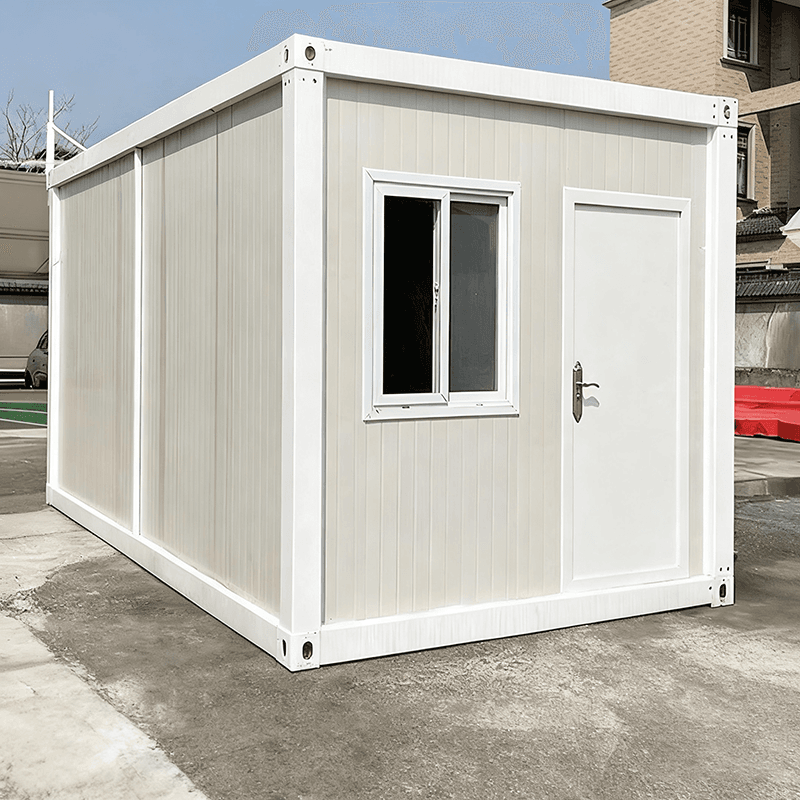
1. Toilet Mobile Factory Model
This model focuses on modular disassembly and on-site assembly, suitable for rapid renovations at large event venues or city parks.
- Disassembly Phase: Use specialized tools to completely separate components such as toilet partitions, sanitary fixtures, and pipes, and store them by material (e.g., metal, plastic, ceramic) to prevent damage.
- Repair Treatment: Clean, apply anti-corrosion treatments, or repair surfaces of disassembled components, such as rust removal and painting for metal parts, and replacing seals for plastic parts, reducing the need for new components and lowering material costs.
- Assembly Phase: Reassemble using recovered components and some new parts (e.g., sealants, connectors) at the target site, testing functions such as flushing, ventilation, and sewage disposal to ensure compliance with usage standards.
2. Modular Mobile Toilet Rental Services
Based on standardized modular design, the disassembly and assembly process emphasizes flexibility and efficiency, commonly used in temporary exhibitions, construction sites, etc.
- Disassembly Logic: Single toilets are divided into prefabricated parts such as floors, walls, and roofs, fixed with metal connectors or clips, requiring no cement mortar, allowing for quick separation of parts after disassembly.
- Assembly Efficiency: Two workers can assemble a single toilet within 30 minutes, while complex combinations (e.g., multiple toilet stalls + management room) take 2-4 hours. Ensure connectors are tightened during assembly to prevent structural loosening.
- Functional Adaptation: Adjust module combinations according to site requirements, such as installing forced ventilation motors in high-humidity areas and adding sewage pipe heating cables in low-temperature areas. Rental fees are calculated based on 'processing capacity' (e.g., number of toilet stalls, sewage disposal method).
3. Temporary Restrooms (General Purpose)
Made of sandwich panels or HDPE material, these restrooms offer high disassembly and assembly convenience, suitable for lawns, hard surfaces, etc.
- Installation Process: Similar to 'building blocks', assembled using standard parts (e.g., bolts, clips), with low requirements for ground foundation. Some products can be placed directly on lawns, but ensure the ground is level to prevent tilting.
- Disassembly Handling: Reverse operations to remove connectors. HDPE parts (e.g., toilet basins, roof covers) can be carried by hand, while sandwich panel parts have gripping grooves for easy single-person operation.
- Transportation and Storage: Disassembled parts can be stacked, occupying less space. Secure parts during transportation to prevent collisions, and avoid direct sunlight during storage to prevent HDPE aging or sandwich panel deformation.
Precautions: Wear protective gloves, goggles, etc., during disassembly and assembly, and follow the manufacturer's instructions. Sealing treatment (e.g., using sealant at joints) is crucial for odor and water resistance. In winter, install heating cables for sewage pipes to prevent freezing and blockage.
You may also like

Portable Toilet Custom Explained: How to Choose the Right One
Read More
Top Portable Toilet Smart Manufacturers: How to Choose a Factory Partner
Read More
Portable Toilet Picture: Top Options & Considerations
Read More