
Mobile Toilet Disassembly
The disassembly of mobile toilets is generally convenient, but it requires selecting a professional team based on the structural design and supporting facilities. Here are the specific key points:
1. Structural Design Simplifies the Disassembly Process
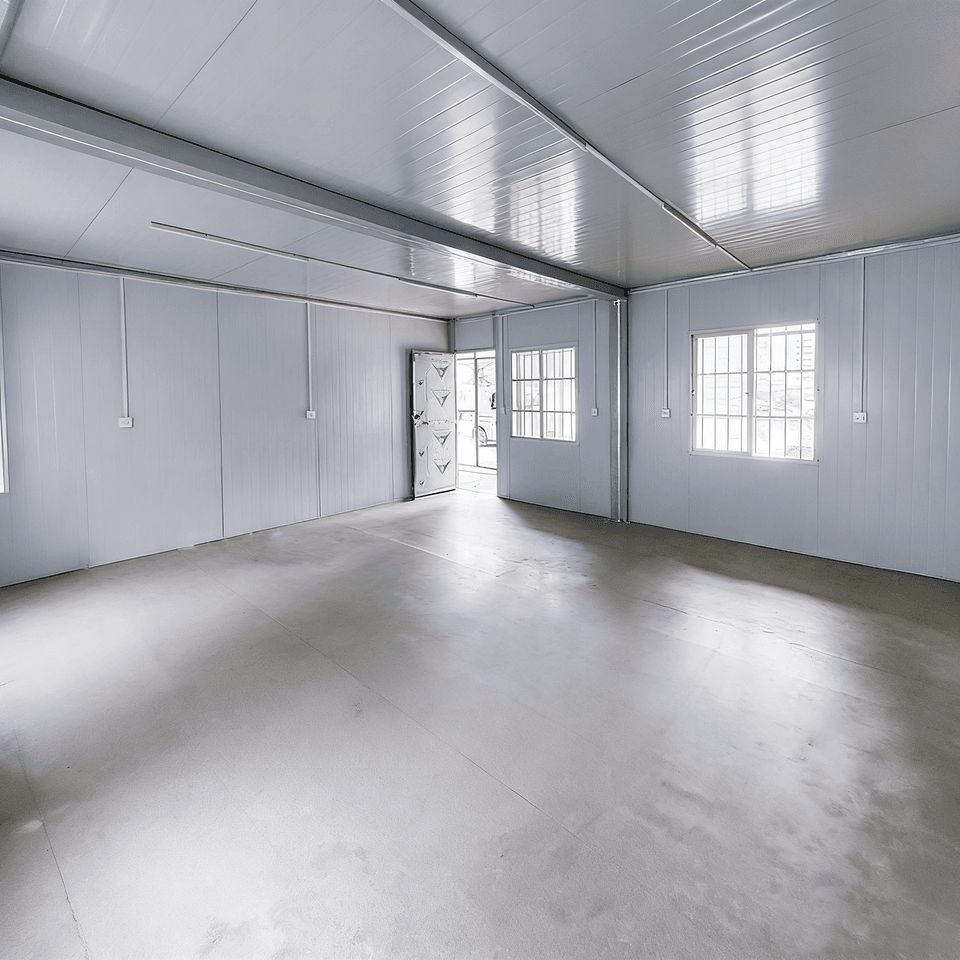
Mobile toilets commonly adopt a modular design. The main structure (such as walls, floors, and roofs) consists of detachable panels connected by bolts, buckles, or mortise-and-tenon joints. During disassembly, simply use tools like wrenches and screwdrivers to loosen the connecting components, and the panels can be separated. For example, the walls and base of a split-type mobile toilet are usually fixed with bolts. After loosening the bolts, they can be directly hoisted and separated without destructive removal.
2. Independent Internal Facilities Facilitate Removal
Facilities such as toilets, sinks, and water tanks are designed as independent units and connected to the main structure through pipes or quick connectors. During disassembly, first turn off the water supply, disconnect the sewage pipes and water supply connectors, and then use a wrench to loosen the fixing screws to remove them individually. The control systems (such as sensors and circuit boards) of some smart mobile toilets are also installed in a modular way. When disassembling, pay attention to marking the wire connectors to avoid installation errors later.
3. Chassis Disassembly Requires Distinguishing Connection Methods
The chassis is mostly made of steel or high-strength plastic and is connected to the body in two ways: bolt fixation and welding. For a bolt-fixed chassis, simply remove the screws for separation; for a welded chassis, use an angle grinder to cut the welds, but such designs are relatively rare. If transportation is required, separating the chassis from the main body can reduce the overall height and facilitate loading. In addition, some mobile toilet chassis integrate sewage tanks. During disassembly, first empty the tank and seal the sewage outlet.
4. Disassembly Costs Are Related to Service Types
The cost of professional disassembly is affected by the city's economic level, toilet type, and service content:
- Basic Costs: In first-tier cities (such as Beijing and Shanghai), it is about 250-300 yuan, while in small and medium-sized cities or for economical services, it is about 150-200 yuan.
- Cost Composition: Labor service fees account for 40%-50%, equipment transportation fees are calculated by weight (about 0.5-1 yuan per kilometer per ton), and additional services (such as smart system debugging and environmental protection treatment) may increase the cost by 5%-15%.
- Differences in Service Types: The cost of a simple service (only disassembly) is about 200-250 yuan, while the cost of a standard service (including transportation and some additional services) is about 300-400 yuan.
5. Disassembly Efficiency Is Linked to Team Experience
A skilled team usually takes 1-3 hours to disassemble a standard split-type mobile toilet. The specific time is affected by the following factors:
- Toilet Type: The disassembly time of an integrated mobile toilet may be extended to 4 hours due to its compact structure.
- Foundation Treatment: If the toilet is fixed to the ground (such as with expansion bolts), the fixing devices need to be removed first.
- Supporting Facilities: Smart systems or environmental protection treatment devices require additional time to disconnect the wires and pipes.
Suggestion: Before disassembly, clarify with the service provider whether the cost includes transportation, equipment wear and tear, and environmental protection treatment. Give priority to service providers that offer compliant waste disposal solutions to avoid subsequent problems caused by non-compliance with sanitation standards.



