What Are the Appropriate Dimensions for Mobile Toilets?
The width and length of mobile toilets need to be determined based on their type and usage scenarios. Common specifications are as follows:
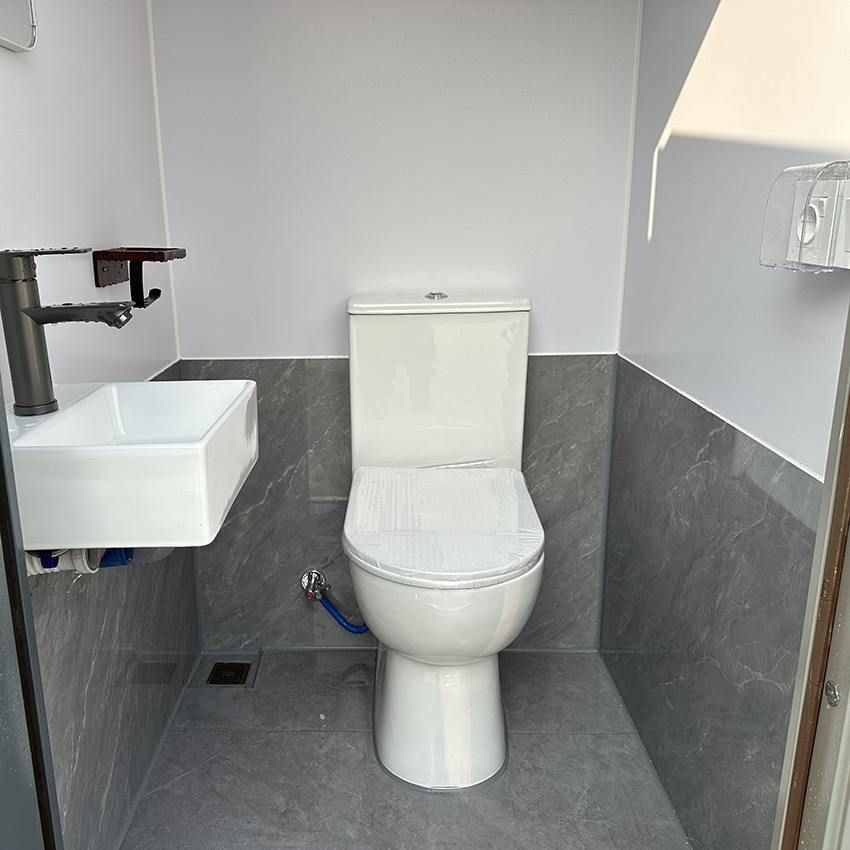
Single-Occupant Mobile Toilets
The standard dimensions of a regular single-occupant mobile toilet are typically 110cm in length and 110cm in width, suitable for most public places such as scenic spots and construction sites. These toilets have a moderately sized interior space that meets the needs of a single user while being easy to move and install. For more compact spaces, such as temporary events or narrow passageways, the dimensions of mini single-occupant mobile toilets can be reduced to 100cm in length and 100cm in width. This design further reduces the footprint while ensuring basic functionality, but it should be noted that the interior space may be somewhat cramped, so selection should be based on actual usage needs.
Double-Occupant Mobile Restrooms
The length of double-occupant mobile restrooms typically ranges from 2.4 meters to 3.0 meters, with a width of 1.2 meters to 1.5 meters. These toilets are suitable for places with high foot traffic, such as large event venues or transportation hubs, and can accommodate two users simultaneously, improving usage efficiency. Among them, the common dimensions of double-occupant mobile toilets are 180cm in length and 110cm in width, with a reasonably laid-out interior space that meets the independent usage needs of two people and is easy to maintain and clean.
Accessible Toilet Stalls
The design of accessible toilet stalls needs to meet the usage needs of special populations, with a minimum clear dimension of 1.8 meters by 1.5 meters to ensure that wheelchairs can enter and turn around freely. The overall dimensions of an accessible mobile toilet are generally 180cm in length and 150cm in width, equipped with handrails, emergency call devices, and other facilities to ensure safety and convenience of use. These toilets are suitable for places such as hospitals and nursing homes, or public areas that need to comply with accessible design specifications.
Selection Recommendations
- Based on Usage Scenarios: If space is limited, prioritize mini single-occupant models; if foot traffic is high, consider double-occupant or multi-person combination toilets.
- Consider User Population: If serving special populations, it is essential to choose accessible design models and ensure that the dimensions comply with regulations.
- Reserve Maintenance Space: When installing, consider the space needed for cleaning and maintenance operations to avoid inconvenience caused by overly small dimensions in later use.