Mobile Toilet Diagram
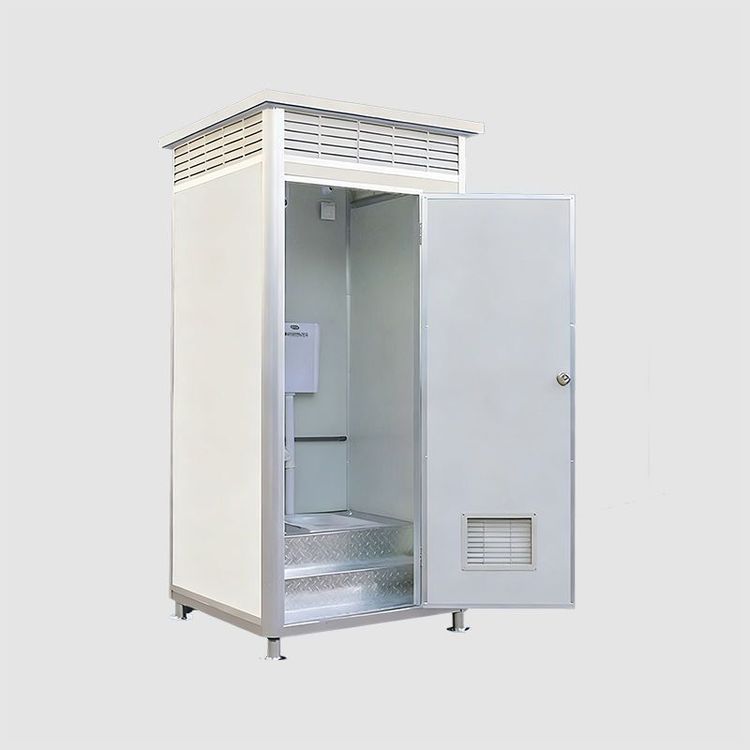
A direct diagram of a mobile toilet cannot be provided, but its basic structure and design points can be described.

Mobile toilets, as movable public facilities, are designed to meet sanitary needs in temporary or mobile locations. Their basic structure typically includes the following key components:
I. Main Frame
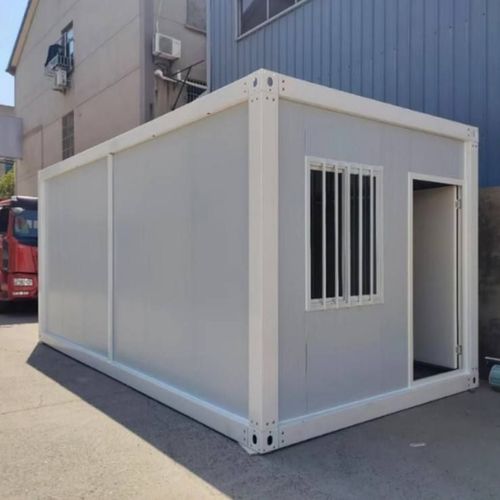
The main frame of a mobile toilet is generally made of lightweight yet sturdy materials, such as aluminum alloy or steel, ensuring both portability and durability. The frame design must consider stability to accommodate placement on various ground surfaces while facilitating easy transportation and installation.
II. Walls and Roof
The walls and roof are typically constructed from waterproof and corrosion-resistant materials, such as color-coated steel sheets or fiberglass-reinforced plastic. These materials are not only easy to clean but also effectively withstand harsh weather conditions. The roof design often incorporates a slope to facilitate drainage and prevent water leakage caused by ponding.
III. Internal Facilities
- Toilet Fixtures: Mobile toilets are usually equipped with either squat toilets or sit-down toilets, depending on user preferences. The design of toilet fixtures must consider factors such as water conservation and ease of cleaning, with some high-end models featuring automatic flushing systems.
- Sinks: To provide basic sanitary conditions, mobile toilets are also equipped with sinks, complete with faucets and soap dispensers. Drainage pipes are typically installed beneath the sinks to ensure smooth sewage discharge.
- Ventilation System: Proper ventilation is crucial for maintaining fresh air inside mobile toilets. Therefore, the design incorporates the installation of exhaust fans or vents to promote air circulation and reduce odors.
IV. Additional Features
Depending on the usage scenario and requirements, mobile toilets may also be equipped with lighting systems, air conditioning or heating units, and facilities for the disabled, enhancing user comfort and convenience.
V. Exterior Design
The exterior design of mobile toilets should consider harmony with the surrounding environment while reflecting their functionality and practicality. Bright and eye-catching colors are often chosen for easy identification and guidance.