
Mobile Toilet Daily Management Plan
The mobile toilet daily management plan mainly includes aspects such as cleaning and disinfection, waste and water resource management, facility and supply standards, facility inspection and maintenance, safety and hygiene management, operational and maintenance considerations for special scenarios, as well as management responsibilities and supervision.
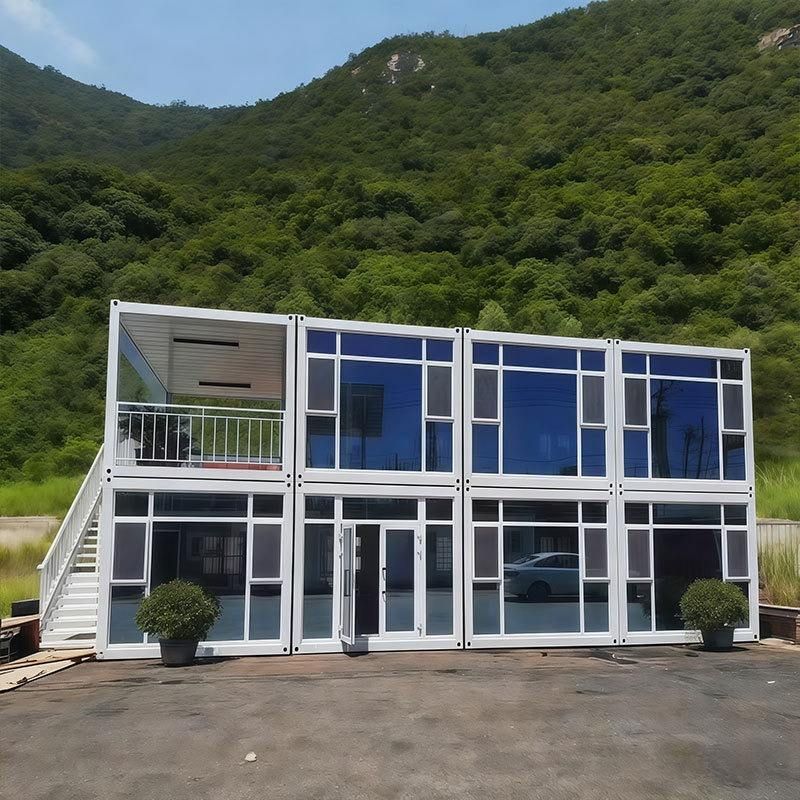
Cleaning and Disinfection: The cleaning frequency depends on the site size, activity period, and usage volume. The common practice is to clean once before and once after the peak hours during the day, and conduct a comprehensive cleaning at night or after the event. Cleaning tools should be uniformly configured, including brushes, cloths, high-pressure cleaning equipment, specialized cleaning agents, disinfectants, etc., and should not be mixed. The cleaning steps cover waste disposal, internal flushing, surface wiping, separate disinfection of key areas such as door handles and toilet seats, and finally replenishing toilet paper, hand soap, and other supplies, as well as checking for leaks, cracks, and odors. After each cleaning, simple records of the site, cleaning personnel, and usage volume should be made. In summer or seasons with high humidity, odor control should be strengthened.
Waste and Water Resource Management: Waste collection should be enclosed, sealed, and leak-proof. Sewage collection tanks and garbage collection bags should be emptied regularly, following zoned management to prevent cross-contamination. The waste liquid from chemical toilets should be treated through specialized channels to avoid indiscriminate discharge. Replenishment water should come from clean sources. Storage tanks should be flushed and disinfected regularly. Sensor or pedal-operated faucets should be installed in hand-washing and toilet areas to reduce direct contact. If there is insufficient temporary water supply on-site, backup water storage equipment should be verified in advance.
Facility and Supply Standards: Materials should be selected for their corrosion resistance, ease of cleaning, and good antibacterial properties. Doors, toilet seats, walls, and other parts should be designed as flat and with no dead corners as possible. Ventilation and lighting should not be overlooked. Good ventilation can suppress odors and enhance comfort, and lighting should be sufficient. Signage should be clear, guiding people to quickly find the entrance, explain hygiene points, and warn against prohibited actions. Supplies such as toilet paper, hand soap, sterile disinfectants, and garbage bags should be adequate.
Facility Inspection and Maintenance: Before each use, check if the flushing system is functioning properly, whether there are leaks or blockages, and regularly inspect the electrical circuits to ensure that lighting and ventilation equipment are operating well. In winter, pay attention to preventing freezing of the drainage system by adding antifreeze to the water tank or taking insulation measures. Report and repair any damaged facilities promptly.
Safety and Hygiene Management: Mobile toilets should be placed on flat, dry ground, and the surrounding area should be kept clean. In the rainy season, maintain drainage facilities to prevent water accumulation. For large-scale events, arrange for dedicated personnel to conduct regular patrols and handle emergencies promptly. At the same time, pay attention to the classified disposal of garbage to avoid environmental pollution.
Operational and Maintenance Considerations for Special Scenarios: In hot summer weather, increase the cleaning frequency and ensure good ventilation. In winter, pay attention to keeping the facilities warm to prevent the water tank from freezing. For events with high foot traffic, provide backup mobile toilets. Keep complete records of daily operational and maintenance activities.
Management Responsibilities and Supervision: The toilets should be under the responsibility of dedicated personnel, who should conduct regular inspections to ensure the hygiene and proper use of the toilets.



