Back to blog
Article
Current Trends in Mobile Toilets
Admin September 27, 2026
The current trends in mobile toilets are primarily reflected in modular production, low-carbon environmental protection, customized demands, technological upgrades and service optimization, diversified treatment systems, and intelligent development.

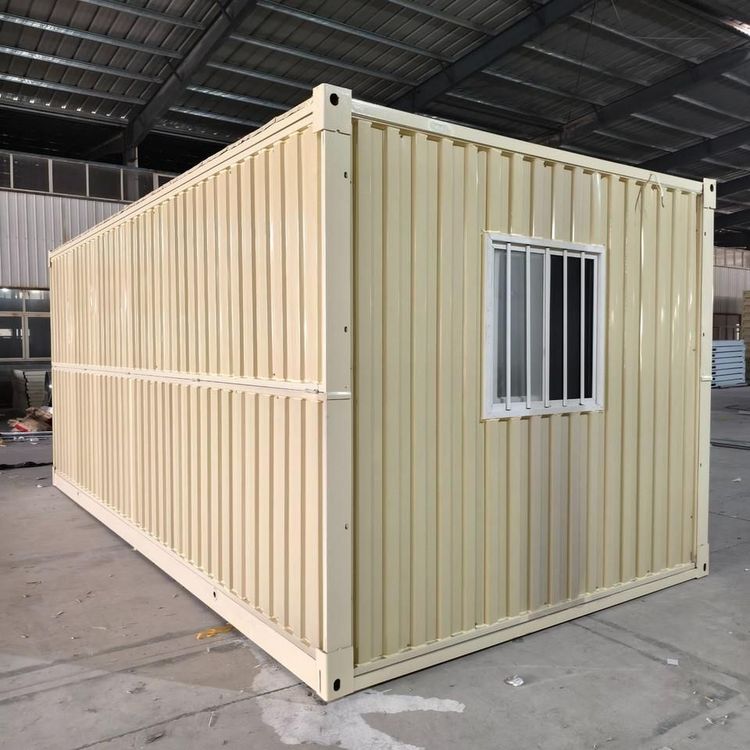
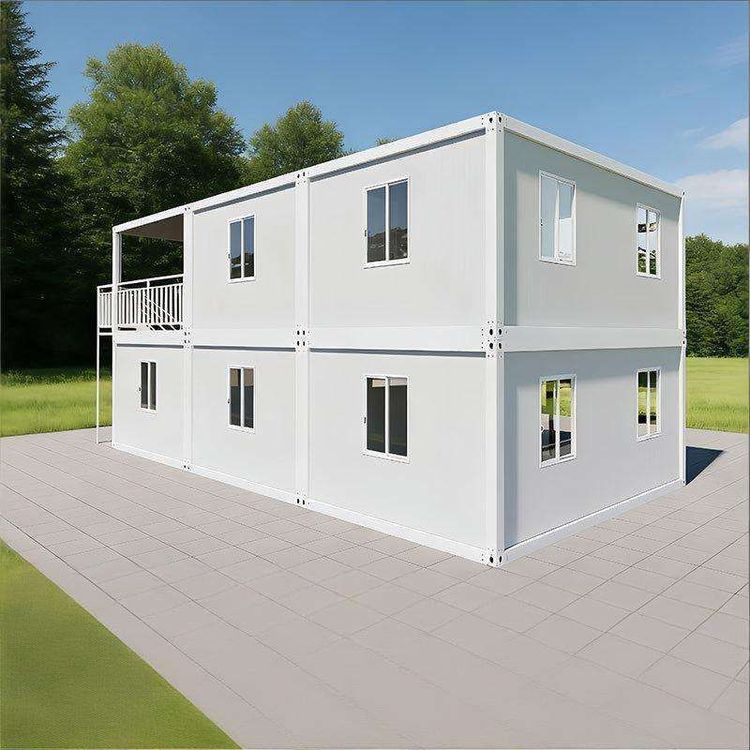
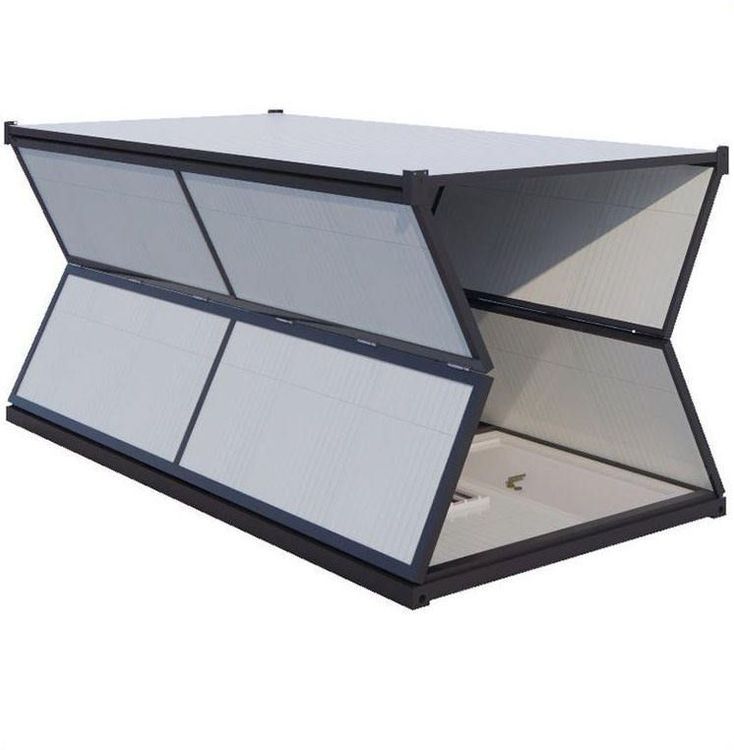
- Modular Production Becomes Mainstream: With the shortening of outdoor and temporary project cycles, there is an increased demand for faster delivery of mobile toilets. Modular production breaks down products into standardized components, allowing companies to prefabricate them in batches and assemble them on-site for quick delivery and immediate use, significantly reducing project deployment time. It also enables flexible adjustment of product scale and configuration according to customer needs, adapting to different site conditions.
- Low-Carbon Environmental Protection Becomes a Rigid Requirement: Supported by dual-carbon policies, low-carbon environmental protection is a crucial consideration in the procurement of public sanitation facilities. Prefabricated mobile toilets are factory-produced, with no construction waste generated during on-site installation. After use, they can be disassembled as a whole, with components recycled, reducing resource consumption and environmental impact. Their full lifecycle carbon emissions are lower than those of traditional fixed toilets, making environmental performance a key criterion for customers in selecting suppliers.
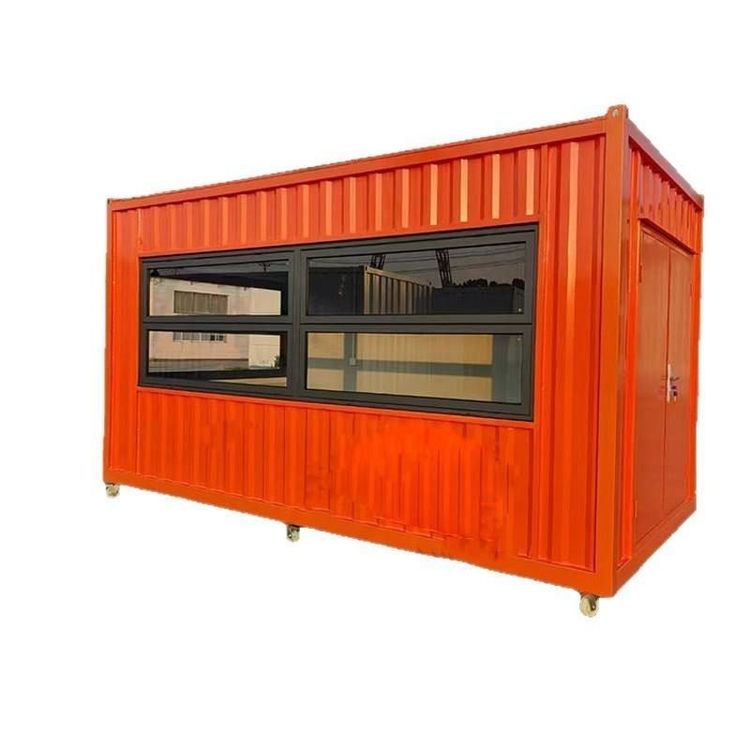
- Customized Demands Continue to Escalate: The application scenarios of mobile toilets have expanded from traditional engineering infrastructure to cultural tourism attractions, municipal emergency response, and other fields, with varying demands for product materials, appearance, functionality, and environmental standards across different scenarios. This requires companies to have the capability to rapidly iterate products and tailor solutions to address the pain points of different scenarios. Companies offering scenario-specific customization services will gain a competitive edge in the market.
- Technological Upgrades and Service Optimization: Mobile toilets are evolving towards low-carbonization, with solar-powered toilets being piloted in many places to achieve energy self-sufficiency. IoT technology enables remote monitoring of equipment status, reducing fault response time. Customized services are emerging as a new direction, such as designing themed toilets for tourist attractions that combine commercial elements with practical functionality to enhance user experience.
- Diversified Treatment Systems: Traditional treatment systems rely on chemical decomposition or centralized collection and transportation. New systems introduce biodegradation technology, utilizing specific microbial communities to accelerate waste decomposition; there are also physical separation and dehydration techniques that convert feces into solid matter; some cutting-edge explorations involve resource recovery, such as extracting nutrients from urine for agricultural research, although these are currently in the experimental stage.
- Intelligent Development: In water-scarce regions, waterless or low-water consumption technologies are a research focus. IoT sensors enable precise facility management, such as real-time monitoring of toilet stall usage and waste tank levels, to plan efficient maintenance routes. Advances in material science improve the durability and thermal insulation of toilet bodies, reducing transportation weight. Design emphasizes universality to meet the barrier-free access needs of different populations.