Back to blog
Article
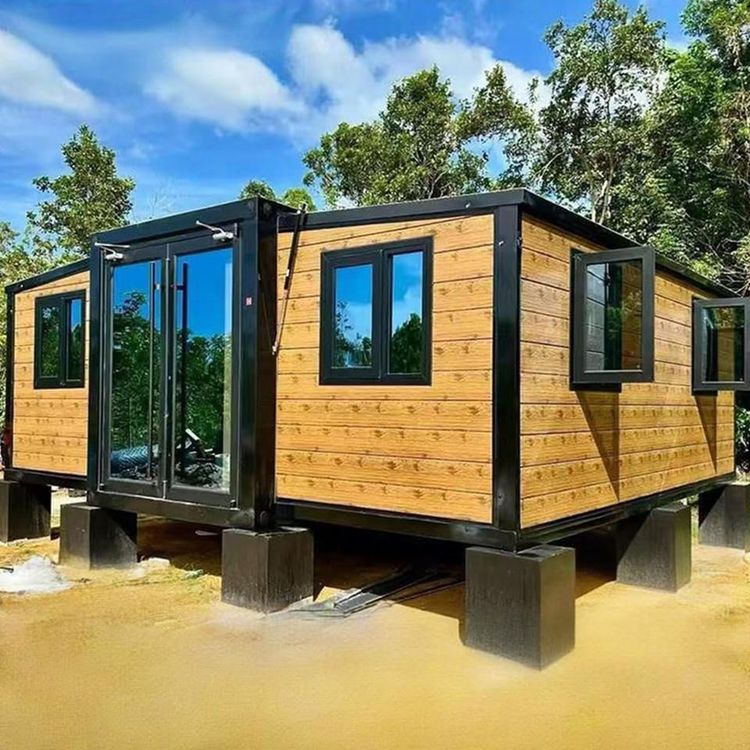
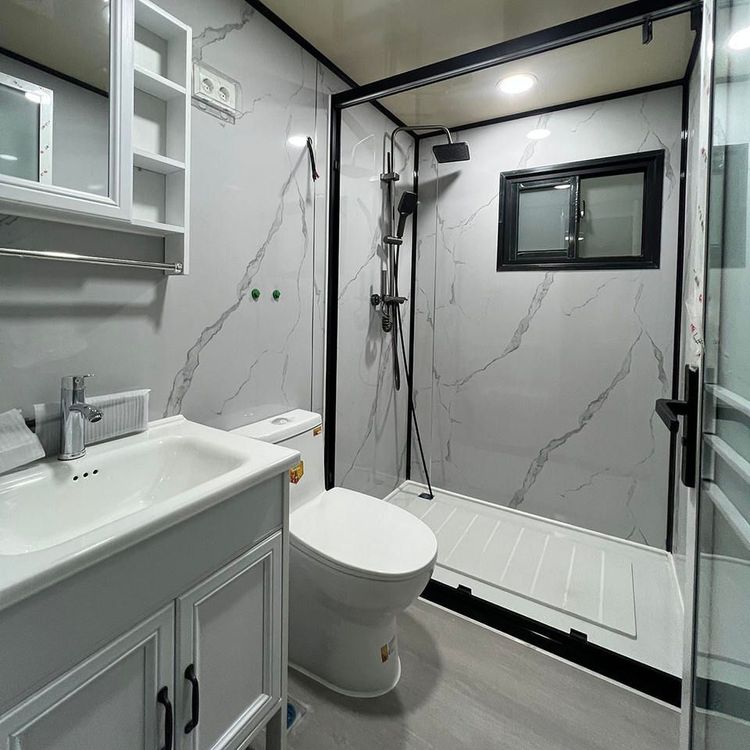
Jinhua Simple Mobile Toilet Installation
Admin September 27, 2026
The installation of simple mobile toilets in Jinhua is a systematic project that requires steps such as site selection, foundation treatment, equipment connection, and maintenance plan formulation to achieve rapid deployment.
1. Site Selection and Evaluation
Site selection must meet four core conditions: ground bearing capacity, drainage slope, vehicle access, and distance from activity areas.
- Ground Bearing Capacity: Ensure the foundation can withstand the self-weight of the mobile toilet and dynamic loads during use to prevent equipment tilting or damage due to foundation settlement.
- Drainage Slope: If a flush toilet is used, the site must have a natural drainage slope (usually ≥2%) or artificial drainage ditches to guide sewage to storage tanks.
- Vehicle Access: Reserve a passage at least 3 meters wide for transportation vehicles to hoist and for later maintenance equipment access.
- Distance from Activity Areas: It is recommended to maintain a distance of 10-30 meters from main activity areas for convenience of use and to avoid odor diffusion.
2. Ground Treatment
Select foundation treatment methods based on geological conditions:
- Hard Ground Surfaces (e.g., concrete, asphalt): Simply level the surface and remove sharp objects.
- Soft Ground Surfaces (e.g., mud, sand): Lay 10-15 cm thick steel plates or concrete prefabricated blocks to form a stable support surface; if the geology is soft, backfill gravel in layers and compact it to ensure a foundation bearing capacity ≥0.2MPa.
3. Unit Positioning and Subsystem Activation
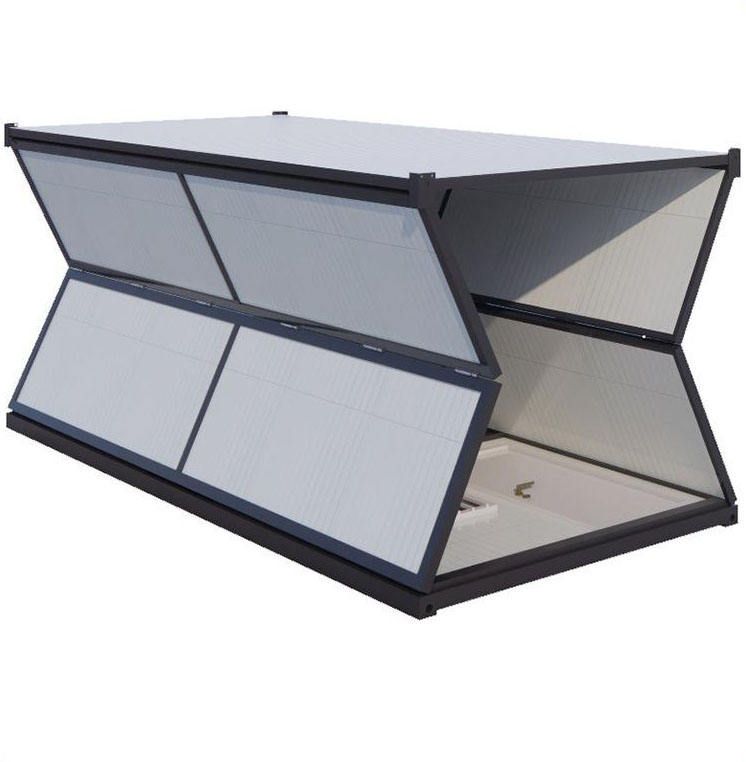
- Transportation and Positioning: Use a crane to precisely place the mobile toilet unit at the predetermined location with an error margin of ±5 cm.
- Water Source Connection:
- Flush Toilets: Connect to municipal water supply pipelines or confirm the water storage tank is full (usually ≥500 liters) and install a pressure relief valve to prevent water pressure from damaging the equipment.
- Microbial Degradation Toilets: No external water source is required, but regular supplementation of microbial strains is necessary to maintain degradation efficiency.
- Sewage Disposal: Lay temporary sewage pipes (diameter ≥100 mm) to storage tanks or designated collection points with a slope ≥1% to ensure self-flow of sewage; for packing toilets, place sealing bags in advance and test their sealing performance.
- Power Supply: Connect to 220V mains electricity or adjust built-in solar panels (ensuring an average daily sunshine duration ≥4 hours) and install leakage protection devices.
- Ventilation Optimization: Clear obstacles around ventilation openings to ensure air circulation; microbial degradation toilets require additional installation of exhaust fans to accelerate odor removal.
4. Establishment of Operation and Maintenance Logic
Formulate differentiated maintenance plans based on toilet types:
- Microbial Degradation Toilets: Supplement microbial strains every 7-10 days, clean the degradation tank monthly, and check sensor sensitivity.
- Packing Toilets: Replace sealing bags after every 50-100 uses and disinfect the fecal receiving port.
- Flush Toilets: Daily removal of sewage from storage tanks (capacity ≥1 cubic meter) and weekly inspection of water pumps and pipeline sealing.
Local enterprises in Jinhua (such as Yongkang Xincheng Steel Structure Engineering Co., Ltd. and Jinhua Xin'an Steel Structure Engineering Co., Ltd.) can provide full-process services from design to maintenance. Their products use environmentally friendly materials, have a lifespan of over 10 years, and support lifelong maintenance.