
Back to blog
Article
Mobile Toilet Construction
Admin September 21, 2026
There are various methods for constructing mobile toilets, allowing you to choose the appropriate one based on different needs and scenarios.
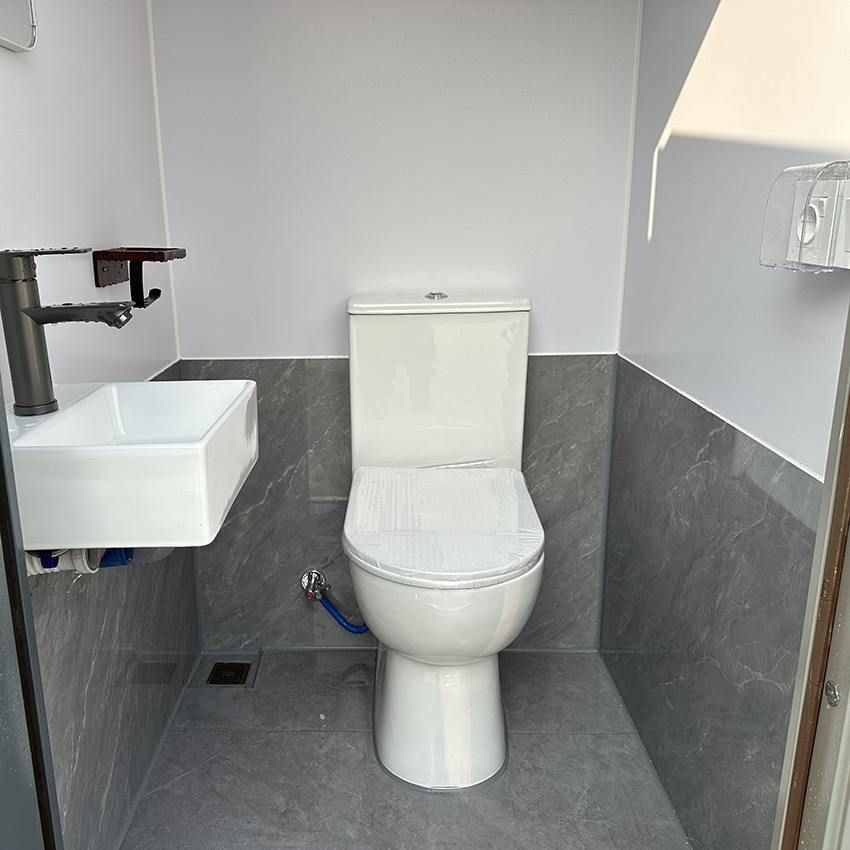
I. Construction Method Using a Bucket or Water Storage Tank as the Main Structure
- Material Preparation and Base Production
- Select a bucket or water storage tank of the appropriate size as the core structure, such as a recycled plastic water storage tank or a cut bucket.
- Produce the base: Install universal wheels on a wooden board for easy mobility; or use a plastic pallet to fix universal wheels as a support platform for the water storage tank.
- Main Structure Modification
- Cut an entrance and exit in the bucket or water storage tank, ensuring the opening is flat and the edges are smooth to avoid cuts.
- Fix the bucket body with wooden strips to enhance stability; if using a water storage tank, stack and fix two canisters with top openings to increase internal space.
- Functional Component Installation
- Drainage System: Drill a hole in the internal floor to install a drainage elbow, connecting the drainage pipe to an external collection container or sewer; some designs install a floor drain to prevent water accumulation.
- Sanitary Facilities: Fix a toilet (such as a simple plastic toilet), install a faucet, sink, and showerhead (if shower functionality is required), ensuring tight water pipe connections without leaks.
- Door and Sealing: Use aluminum-plastic panels to raise the height of the bucket body or canister and then install a lid; fabricate a wooden door from wooden boards, ensuring good door seal to prevent odor diffusion.
II. Rapid Construction Method for a Mobile Three-Squat-Position Toilet
- Modular Design
- Adopt prefabricated modular structures, such as independent squat-position units, each containing a squat toilet, partition, roof, and drainage system, allowing for quick assembly.
- Materials and Craftsmanship
- Use lightweight, high-strength materials (such as aluminum alloy frames) and insulation panels to reduce weight and enhance durability, suitable for outdoor environments.
- Separate squat positions with waterproof partitions to ensure privacy; design ventilation openings at the top, combined with exhaust fans or natural ventilation, to reduce odors.
- Installation Process
- After selecting a site, level the ground and place a prefabricated base (optional anti-slip mats).
- Install squat-position modules in sequence, connecting drainage pipes and power lines (if lighting or exhaust equipment is required).
- Fix door panels and signage, completing external decoration (such as customizing the appearance to blend into scenic areas).
III. Applicable Scenarios and Precautions
- Bucket/Water Storage Tank Type: Suitable for temporary use or scenarios with limited resources (such as camping, post-disaster relief), requiring regular sewage cleanup and freshwater replenishment.
- Mobile Three-Squat-Position Type: Applicable to densely populated areas such as scenic spots and construction sites, requiring regular maintenance of drainage systems and sanitary facilities to ensure normal functionality.
- Safety and Compliance: Construction must comply with local sanitation and building codes to avoid environmental pollution; electrical installations must be carried out by professionals to prevent electric shock risks.



