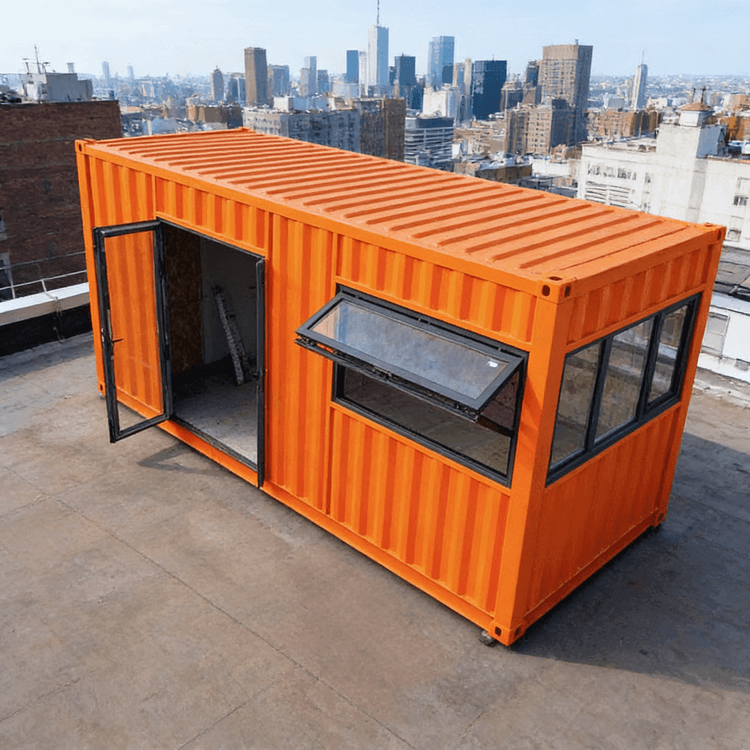
Mobile Toilet Connected Toilet
The connected toilet in mobile toilets is designed flexibly and can be customized with different functional combinations and styles according to needs. Here is a detailed introduction to connected mobile toilets:

I. Functional Combination Design
The core advantage of connected mobile toilets lies in the flexible combination of functional modules. Taking double-connected toilets as an example, a common design features one toilet paired with one shower room, integrating basic sanitation needs with bathing functions. This combination is particularly suitable for temporary event venues, construction sites, or tourist attractions, providing both privacy and functional zoning. Additionally, some designs place the sink outside. For instance, in double-connected mobile restrooms, the sink is placed in the external corridor area, saving internal space and facilitating simultaneous use by multiple people, thereby improving efficiency.
II. Size and Structural Characteristics
Different styles of connected toilets vary significantly in size to meet the needs of various scenarios. For example, a certain double-connected toilet has an overall width of 1.7 meters and a length of 2.56 meters, with a small corridor designed at the front as a buffer space to avoid interference with internal use when opening the door directly. It features an aluminum alloy single door, balancing lightweight design with durability, and the interior is finely decorated to enhance comfort. Another model, the Apple Cabin double-connected restroom, is 2.5 meters long and adopts a single-sided layout with a public sink in the middle and independent sanitation units on both sides, suitable for high-traffic scenarios.
III. Material and Process Selection
Materials directly affect the durability and maintenance costs of connected toilets. Double-connected toilets often use an aluminum alloy frame paired with fine interior decoration, ensuring structural strength and ease of cleaning. The Apple Cabin model employs sheet metal spraying technology, offering strong surface corrosion resistance, and is decorated with aluminum-plastic panels on the exterior, balancing aesthetics and practicality. The design of the sink area also reflects process differences. For example, public sinks may use integrated molded countertops to reduce gaps and prevent water accumulation and bacterial growth.
IV. Customization Possibilities
Connected toilets offer a high degree of customization, allowing adjustments to size, functional modules, and even exterior style based on site conditions. For example, in space-constrained venues, the size of individual units can be reduced, or barrier-free facilities can be added; in tourist attractions, the exterior can be designed in line with local culture to enhance overall harmony. This flexibility makes them a preferred option for temporary sanitation facilities.