
Mobile Toilets at Concerts
The application of mobile toilets at concerts requires scientific planning, reasonable layout, and supporting services to ensure a good experience for the audience. The core aspects involve rental planning, scenario-based layout, supporting management, practical cases, and cost optimization.
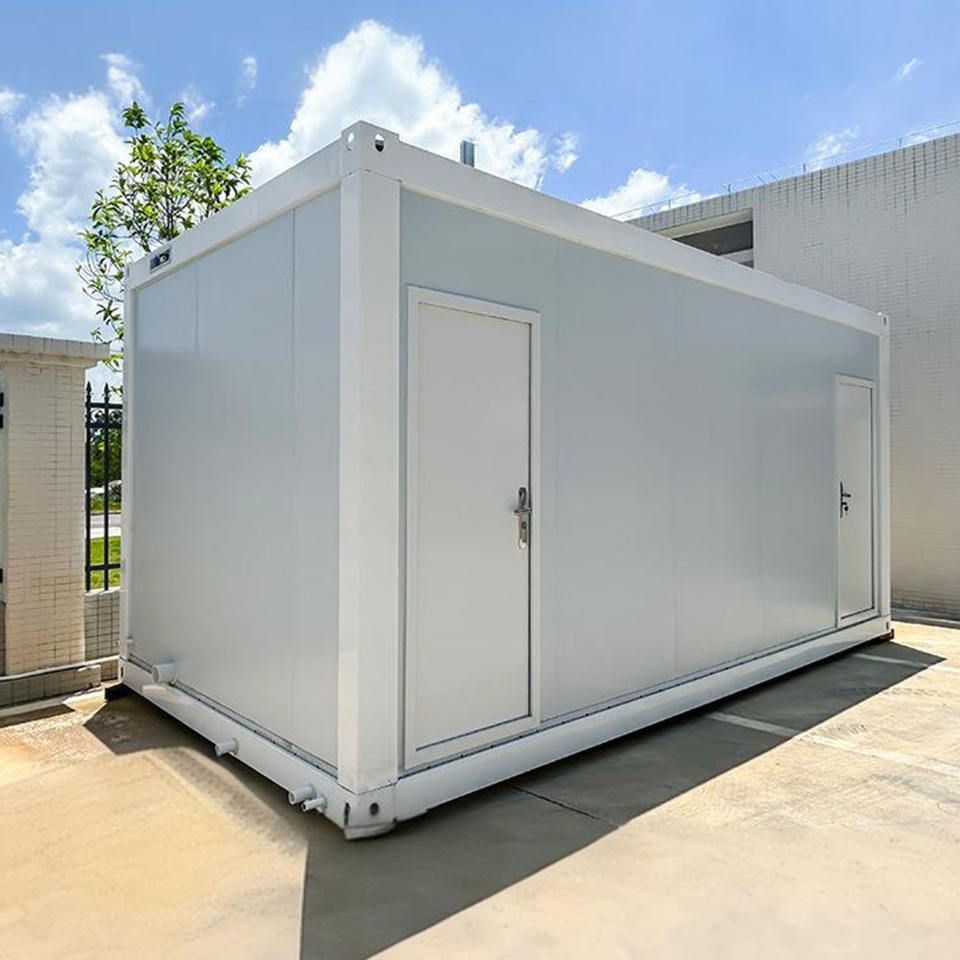
1. Rental Planning and Scenario-Based Layout Organizers need to estimate toilet demand based on venue size, audience size, and event duration. Typically, one to two mobile toilets (including male and female stalls) are allocated for every 100 audience members, with a 20% buffer to handle peak times. The layout strategy should be integrated with the venue's functional zones:
- Entrance/Security Check Area: To disperse crowd pressure, set up one to two temporary male and female toilets each, along with mobile handwashing stations. It is recommended to use models with canopies to cope with weather changes.
- Around the Audience Seating: Place clusters of mobile toilets at intervals of 50-100 meters across different zones. Position accessible toilets near the middle aisles of the stands and at the edges of VIP areas to ensure convenience for special groups.
- Logistics Corridors and Staff Areas: Set up at least one mobile toilet behind the stage and near dressing rooms. Provide simple toilets in parking lots and other areas to meet staff needs.
- Exits and Evacuation Routes: Temporarily deploy three to five additional mobile toilets near each exit during the end of the event, along with guiding signs. It is recommended to use illuminated models to ensure safety at night.
2. Supporting Services and Management
- Cleaning and Maintenance: The rental company should conduct comprehensive cleaning at least twice a day, increase inspection frequency during peak times, and dynamically replenish consumables such as toilet paper and hand soap to avoid shortages.
- Emergency Measures: Establish clear procedures for toilet malfunction repairs and extreme weather protection (e.g., sunshades, drainage systems). Equip one to two on-site maintenance personnel to handle unexpected issues promptly.
- Signage System: Set up clear Chinese and English signs, and design personalized signs (e.g., fluorescent arrows, themed patterns) based on the concert theme. Use LED light boxes at night to enhance visibility.
3. Practical Cases and Controversies
- G.E.M. Taizhou Concert: Dozens of mobile toilets were placed near the seating area in the inner field, drawing complaints from the audience about "bad smells and poor experience." However, staff responded that the high foot traffic in the inner field necessitated the placement of mobile toilets for audience convenience. Similar controversies occurred at her Qingdao and Shanghai concerts, while the 2024 Joker Xue Qujing stop and the 2023 Mayday Shanghai stop avoided such issues through reasonable distribution of mobile toilets (e.g., in front of LED screens and beside VIP areas).
- Wang Leehom Sanya Stop: The Sanya Housing and Urban-Rural Development Bureau entrusted a third-party agency to provide 40 standalone mobile toilets around the event venue, offering cleaning and septic tank suction services to ensure the toilet needs of fans and tourists during the event.
- Panjin Concert: It was emphasized that the deployment of mobile toilets should comprehensively consider audience entry and exit routes, regional crowd retention characteristics, and emergency evacuation route requirements. Reasonable placement can balance service pressure and shorten walking distances.
4. Cost Optimization Suggestions Rent mobile toilets in stages according to the event phases (e.g., reduce the quantity by 30% during rehearsals) to avoid resource waste. Meanwhile, reduce overall costs by dynamically adjusting the layout density.



