
Back to blog
Article
Cold Protection Measures for Mobile Toilets
Admin September 21, 2026
Comprehensive cold protection measures for mobile toilets should be implemented from five aspects: thermal insulation, pipeline antifreeze, cleaning management, ventilation and humidity control, and additional maintenance. The specific measures are as follows:
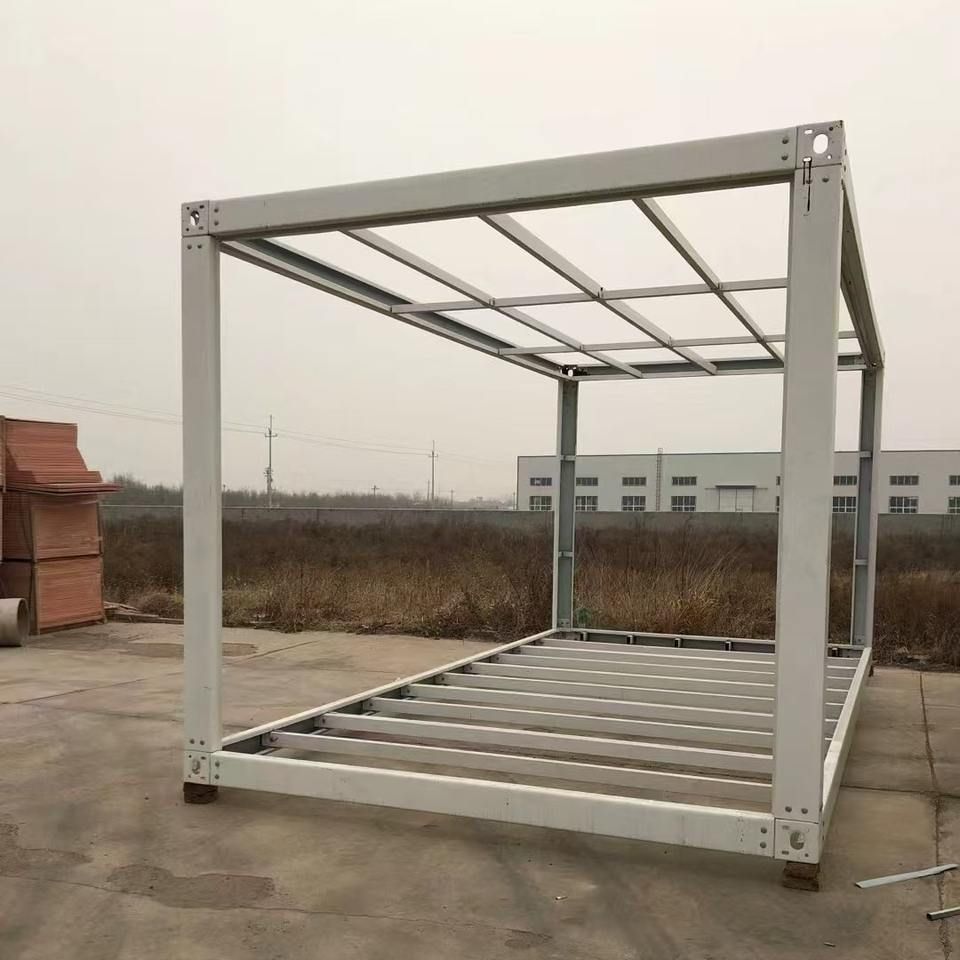
1. Thermal Insulation Measures
- Sealing Inspection: Focus on inspecting gaps around doors and windows. Install draft stoppers or thick curtains at air-leaking points to reduce cold air infiltration.
- Internal Heating: Use low-power warm air blowers below 500W, which should be fixedly installed and kept away from flammable materials. Check the circuit daily. In extremely cold regions in the north, explosion-proof electric heaters can be selected, with the surface temperature controlled below 60℃ to avoid scalding or fire risks.
- Wall Insulation: Adopt a double-layer structure, with an outer layer of color-coated steel plate, an inner layer of fireproof board, and the middle filled with polyurethane foam or rock wool insulation layer to effectively block heat loss.
2. Pipeline Antifreeze
- Insulation Treatment: Wrap pipelines with 3cm-thick rubber-plastic insulation cotton and wrap them with waterproof tape. In North China, heating tapes should be installed, which automatically start when the temperature drops below -5℃ to prevent freezing.
- Electric Tracing System: Use self-limiting heating cables to wrap around pipelines, equipped with an intelligent temperature control box. When the sensor detects a temperature below 5℃, it automatically heats up to ensure pipeline patency.
- Thawing Methods: If pipelines freeze, do not pour boiling water directly on them. Instead, use warm water below 40℃ to flush slowly or use specialized thawing agents such as calcium chloride solution to avoid pipeline rupture.
3. Cleaning Management
- Water Temperature Control: Maintain the cleaning water temperature between 20-30℃. Antifreeze cleaning agents can be added to enhance dirt removal while preventing freezing.
- Anti-slip Treatment: After cleaning, immediately use an absorbent mop to handle the floor. If necessary, spread environmentally friendly de-icing agents such as magnesium chloride to reduce the risk of slipping.
4. Ventilation and Humidity Control
- Timed Ventilation: Open windows for ventilation from 10:00 to 14:00 daily, with each session not exceeding 15 minutes, to balance indoor and outdoor air and avoid excessive humidity.
- Humidity Control: Maintain indoor humidity between 40%-60%. This can be adjusted by hanging wet towels or placing small humidifiers to prevent static electricity or equipment failures caused by dryness.
5. Additional Maintenance Recommendations
- Metal Part Maintenance: Apply silicone-based antifreeze lubricant to metal parts such as door locks and hinges weekly to prevent jamming or breakage due to low temperatures.
- Extreme Weather Response: When the temperature drops below -20℃, it is recommended to suspend use and empty the water storage tank to avoid equipment freeze damage.
- Innovative Technology Application: Introduce a waste heat recovery system to utilize the heat generated from waste treatment for auxiliary insulation. Install an intelligent control system to achieve 24-hour unattended monitoring and adjustment.



