
Mobile Toilet and Coin-Operated Toilet
Coin-operated toilets do exist among mobile toilets, but some charging or design aspects may raise compliance issues.
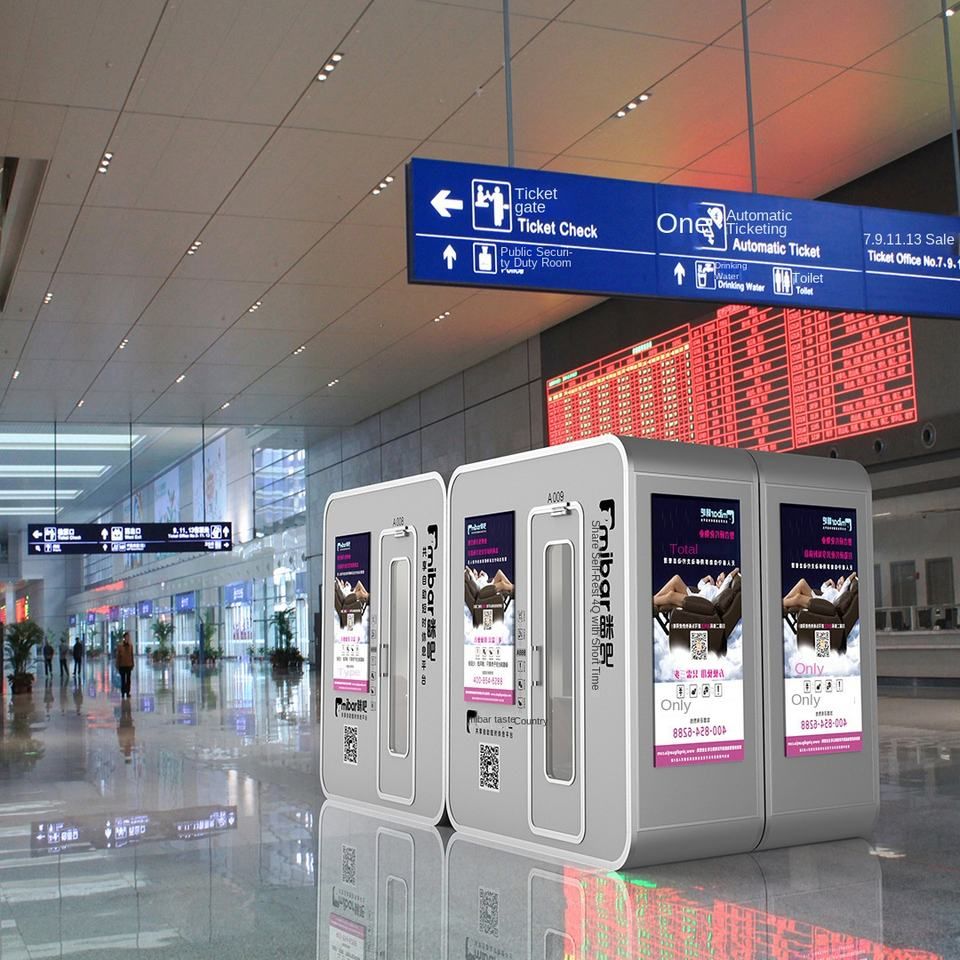
1. Examples of Coin-Operated Mobile Toilets
There have been cases of coin-operated mobile toilets in some regions. For instance, Rome once installed coin-operated mobile toilets, but they may have been closed due to maintenance issues, rendering them unusable. Additionally, a "container mobile restroom" appeared on the coast of Jinfeng, Fujian, featuring a countdown function and charging 10 yuan per use. If users do not leave within the time limit, the restroom door automatically locks, requiring another coin to open. Although innovative, such designs were later pointed out to have legal risks.
2. Compliance Controversies Surrounding Coin-Operated Toilets
According to relevant regulations, public toilets are generally not allowed to charge fees. The "container mobile restroom" on the coast of Jinfeng, Fujian, was deemed illegal due to its mandatory charging and time-limit locking mechanism. Such designs may infringe upon user rights, such as preventing timely exit in emergencies or imposing additional charges for overtime use, sparking public质疑 (doubts) about the rationality of public facilities.
3. Composition and Classification of Mobile Toilets
Mobile toilets typically consist of fecal sewage storage tanks (or disposal units), floor slabs, sanitary ware, walls, washing facilities, water tanks, roofs, and mobile devices. They are classified based on structural form (e.g., single-unit, connected-unit), mobility method (e.g., trailer-mounted, hoisted), and sewage treatment method (e.g., direct discharge, recirculating flush). These designs offer advantages such as mobility, modularity, and ease of transportation, making them suitable for temporary events, tourist attractions, and other scenarios.
4. Limitations of Coin-Operated Toilets
Although coin-operated toilets attempt to address maintenance costs through charging mechanisms, their designs may overlook user experience and legal norms. For example, Rome's coin-operated toilets frequently closed due to maintenance issues, affecting actual use; the Fujian case sparked controversy over its charging and locking mechanisms. If such facilities are to be promoted in the future, a balance must be struck between operating costs and user rights to ensure compliance with the basic requirements of public facilities.



