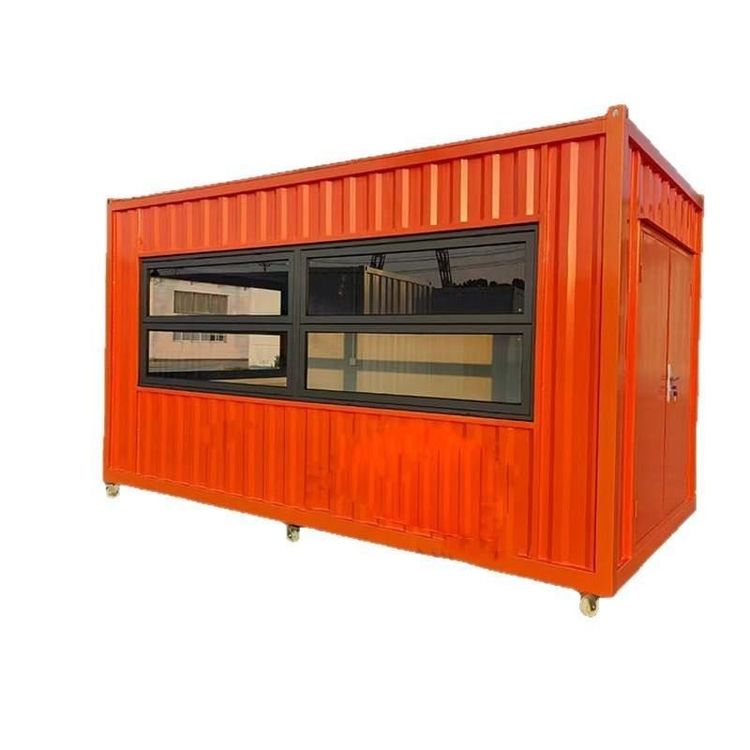
Mobile Toilet Cleaning Work
The cleaning work of mobile toilets needs to follow standardized procedures, covering steps such as preparation, internal cleaning, external cleaning, disinfection, and supply replenishment. At the same time, attention should be paid to daily cleaning and regular maintenance, and the difficulty of cleaning can be reduced by optimizing design, equipment, and management.

I. Cleaning Steps
Preparation
Before cleaning, prepare tools such as buckets, rags, and brushes, as well as supplies such as neutral detergents, disinfectants, and deodorizers, and dilute them according to the instructions to avoid damaging the facilities. At the same time, wear protective equipment such as rubber gloves and masks to ensure personnel safety.Internal Cleaning
- Walls and ceilings: Start from the top and wipe away dust with a damp cloth, focusing on cleaning corners and vents.
- Sinks: Remove water stains and dirt from the countertop, clean the faucet and drain; the mirror surface should be wiped with glass cleaner to avoid watermark residue.
- Toilets: First rinse the inner wall with clean water, then soak it with a special cleaner for 5-10 minutes, thoroughly scrub the water outlet and edges and other areas prone to scale buildup with a toilet brush, and finally rinse it clean with clean water.
- Floors: First sweep away larger debris, then scrub with a mop soaked in cleaner, and finally mop clean with clean water.
External Cleaning
Wipe the outer wall of the toilet body with a damp cloth. For stubborn stains, use a neutral detergent for auxiliary cleaning; at the same time, clean the surrounding ground, check whether the drainage ditch is unobstructed, and promptly remove blockages.Disinfection Treatment
For high-frequency contact surfaces such as door handles and flush buttons, wipe them with diluted disinfectant. The action time should comply with the product instructions, and then wipe them clean with clean water; regularly use a safe air disinfectant to disinfect the environment.Supply Replenishment
After cleaning, promptly replenish consumables such as toilet paper and hand soap, and check whether the tissue box and soap dispenser are intact. Damaged parts should be replaced in a timely manner.
II. Daily Cleaning Points
Daily Cleaning
Daily tasks include removing dust and debris, cleaning the floor and toilet (including internal grooves), cleaning the faucet and drain of the sink, and replacing the garbage bag in the trash can. Gloves and masks should be worn during operation.Regular Maintenance
Regularly conduct deep cleaning, including cleaning the pipes and checking the operating status of the equipment; establish a sanitation inspection record form and adjust the cleaning frequency according to the usage frequency.
III. Suggestions for Reducing Cleaning Difficulty
- Materials and Design
Use easy-to-clean materials such as stainless steel and fiberglass, and simplify the structure to reduce dirt accumulation. - Cleaning Equipment
Equip with automatic flushing and disinfection spray systems to reduce manual operation intensity. - User Education
Guide users to use the toilet correctly through publicity to reduce the cleaning burden caused by uncivilized behavior. - Professional Training
Provide cleaning personnel with training on operational skills and troubleshooting to improve cleaning efficiency. - Intelligent Management
Use a remote monitoring system to keep track of the toilet usage in real-time and optimize the cleaning plan.