Back to blog
Article
Mobile Toilet Cleaning Operation Requirements
Admin September 29, 2026
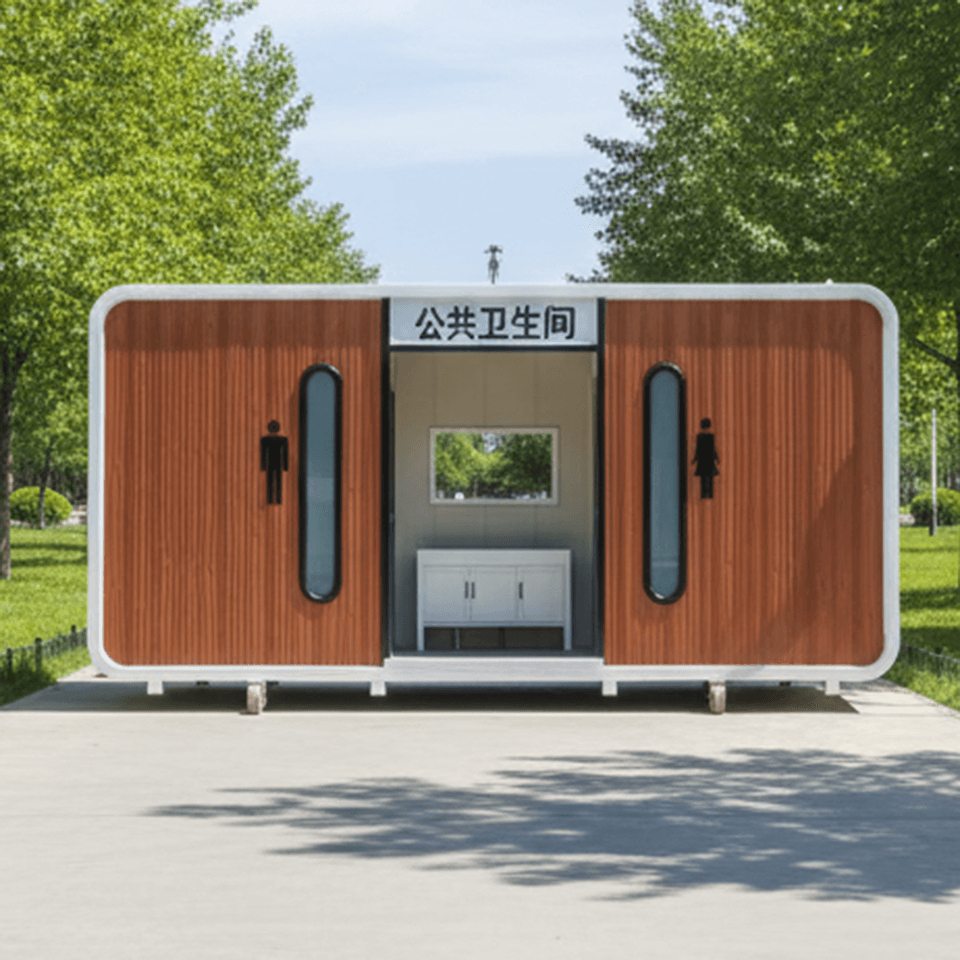
The mobile toilet cleaning operation requirements cover cleaning procedures, frequency, handling of special scenarios, material replenishment, facility inspection, safety and hygiene standards, and other specifications, as detailed below:
1. Cleaning Procedures
- External Cleaning: Use a clean cloth or a mop dampened with cleaning agent to wipe down the toilet's exterior walls, doors, roof, and signage, focusing on removing dust and stains. High-contact areas such as handles and locks should be wiped repeatedly.
- Internal Cleaning: Empty the trash bins and replace the garbage bags. Use a broom or vacuum cleaner to remove debris and dust from the floor, then mop with diluted cleaning agent, paying special attention to corners and areas beneath the squatting positions where dust tends to accumulate.
- Toilet Bowl Cleaning: Pour a specialized toilet bowl cleaner into the bowl and let it sit for a few minutes to soften the stains. Then, scrub the inner walls, rim, and drain with a toilet brush, followed by thorough rinsing with clean water until no residue remains.
- Disinfection: Spray or wipe surfaces such as the toilet bowl and sink with a chlorine-based disinfectant, ensuring a contact time of at least 30 seconds. After disinfection, wipe clean with water to avoid leaving chemical residues.
2. Cleaning Frequency
- During exhibitions, conduct a comprehensive cleaning at least three times a day: complete the initial inspection before 8 a.m., perform a secondary cleaning before 12 p.m., and finish the final inspection before 6 p.m. after the exhibition closes.
- During peak visitor hours (such as holidays and event periods), inspect the facilities every hour to promptly clean up stains and replenish materials.
3. Handling of Special Scenarios
- Drainage System Inspection: Before starting work each day, check that the drainage pipes are unobstructed to prevent odors or blockages caused by standing water.
- Temporary Cleaning Stations: Set up additional cleaning staff in high-traffic areas to quickly handle emergencies such as vomit or large stains.
- Post-Exhibition Disinfection: After the exhibition closes each day, conduct a comprehensive disinfection of the toilet, focusing on areas such as the toilet bowl and floor drains that are sources of odors.
4. Material Replenishment
- Promptly replenish consumables such as toilet paper, hand soap, and air fresheners to ensure an adequate supply. Garbage bags should be replaced as soon as they are full to prevent overflow.
5. Facility Inspection
- Check that faucets, flushing mechanisms, and lighting fixtures are functioning properly. Immediately contact maintenance for any leaks, malfunctions, or damage.
- Ensure that the flushing system has normal pressure, the door locks are intact, and the electrical and ventilation systems are operating stably without safety hazards.
6. Safety and Hygiene Standards
- Environmental Requirements: The toilet should have no noticeable odors, with a dry floor free of standing water, clean walls without stains or cobwebs, and trash not exceeding two-thirds of the bin's capacity.
- Emergency Response: Equip with an emergency kit (including disinfectant tablets, garbage bags, masks, etc.) and activate the emergency plan immediately in case of sudden contamination or equipment failure.
7. Other Requirements
- Cleaning staff must wear protective gear such as gloves and masks and wash their hands with disinfectant after work to prevent cross-infection.
- Sort and dispose of household waste properly, with hazardous waste (such as used batteries and disinfectant containers) collected separately and handed over to professional agencies for disposal.