
Mobile Toilet Cleaning Measures
The cleaning measures for mobile toilets should combine daily maintenance with special scenario management, which can be divided into the following aspects:
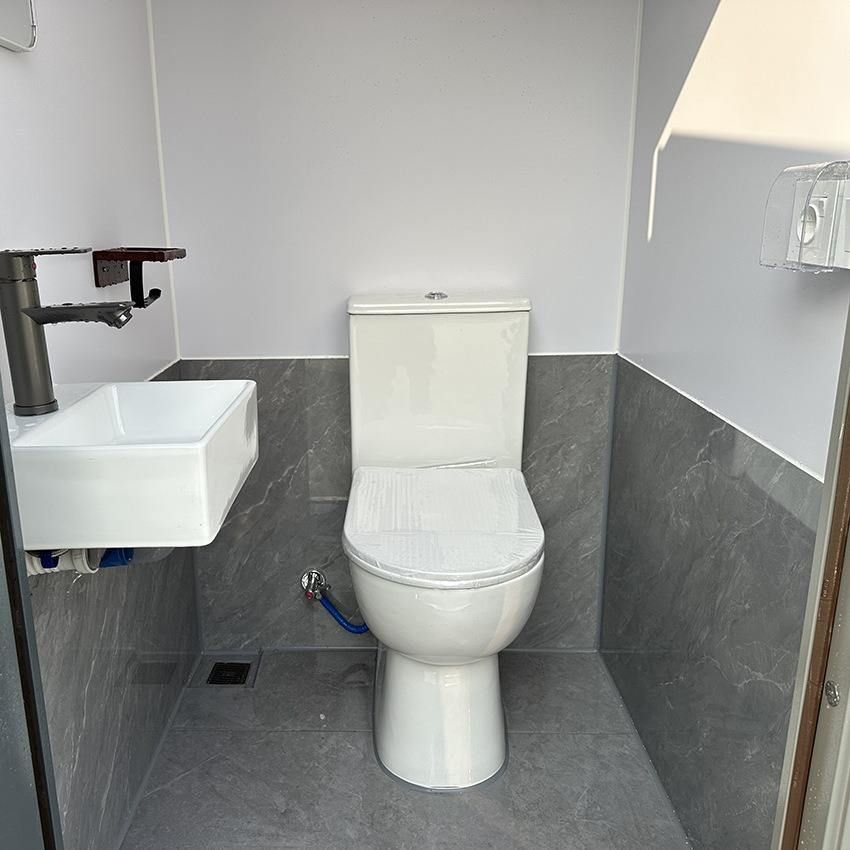
I. Basic Cleaning Process
Conduct a comprehensive cleaning at least once a day, including:
- Waste Removal: Use a dedicated waste extraction vehicle to empty the toilet bowls and waste tanks to avoid residue.
- Surface Wiping: Clean hard surfaces such as sinks, mirrors, and door panels with a neutral cleaner to prevent corrosion.
- Internal Disinfection: Disinfect high-contact areas such as toilet bowls and door handles with chlorine-based disinfectants or alcohol wipes at least three times a day.
II. Intensive Cleaning of Key Areas
- Toilet Cleaning: Flush the toilet promptly after each use. In the morning and evening, use a brush dipped in cleaner to scrub the inner walls and regularly check if the flushing system is unobstructed.
- Handwashing Area Maintenance: Keep the sink dry, clean water stains and soap residue, and promptly replenish supplies such as hand soap and toilet paper.
III. Environmental Maintenance and Odor Control
- Ventilation: Open windows and doors or activate ventilation fans daily to ensure air circulation and reduce stuffiness.
- Odor Treatment: Place fragrance tablets or deodorizers and replace them regularly. If the odor is significant, wipe the floor with diluted white vinegar water to neutralize alkaline dirt.
IV. Response to Special Scenarios
- During Holidays or Events: Increase the cleaning frequency to once every two hours, focus on inspecting areas with high foot traffic, and stock up on sufficient supplies in advance.
- After Severe Weather: Promptly clean mud and standing water from the floor after rain, dry wet marks on equipment surfaces, and check if the electrical and drainage systems are damaged.
V. Cleaning Tools and Safety Regulations
- Tool Management: Use dedicated cleaning tools to avoid cross-use with other areas and regularly disinfect them to prevent cross-contamination.
- Safe Operation: Wear protective equipment such as gloves and masks during work. Do not use open flames or flammable cleaners in the toilet.
VI. Eight-Step Cleaning Method (Supplementary Process)
- Dust Removal: Remove dust and cobwebs from the ceiling, walls, window screens, and lighting fixtures.
- Wiping: Wipe easily accessible areas such as doors, windows, sinks, and partition boards.
- Scrubbing: Thoroughly scrub alkaline scale from squat toilets, sit-down toilets, and urinals.
- Sweeping: Sweep garbage inside and outside and promptly empty the trash bins.
- Mopping: Remove standing water from the floor to ensure it is dry and clean.
- Inspection: Check if facilities such as faucets, sensors, and coat hooks are intact.
- Disinfection: Spray disinfectant on door and window handles, faucets, etc.
- Storage: Store cleaning supplies in the tool room and ensure no clutter is left behind.
VII. Other Key Measures
Regularly conduct a comprehensive cleaning of the floor, walls, and doors and windows to ensure no stains. Promptly clean excrement to prevent blockages and keep the drainage unobstructed. Conduct daily inspections of facilities such as lighting and flushing systems to ensure they are operating normally and repair them promptly if necessary.



