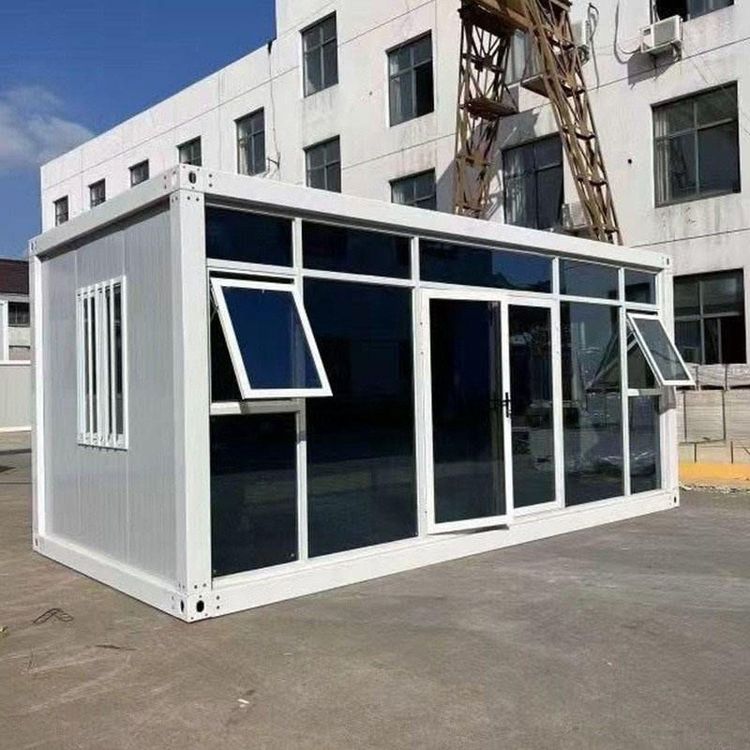
Mobile Toilet: Clean and Hygienic
Mobile toilets indeed possess the characteristics of being clean and hygienic, with their design, facility configuration, and sewage treatment methods all centered around hygiene.

I. Facility Configuration Ensures Basic Hygiene
Mobile toilets meet basic hygiene needs through well-equipped hardware facilities. For example, double-occupancy mobile toilets are equipped with independent flush tanks, which are adjusted to ensure timely flushing of excreta after each use, preventing residual odors or stains. The combination of exhaust fans and louvered windows forms an air circulation system, with the former forcibly expelling odors and the latter balancing internal and external air pressure through natural ventilation, reducing odor retention. Some high-end models also include hand-washing basins to facilitate hand cleaning for users, blocking the transmission of pathogens. Additionally, the floor is made of sheet metal, which is corrosion-resistant and easy to clean, allowing for quick removal of stains and reducing the risk of bacterial growth.
II. Safety Design Reduces Hygiene Risks
Electrical safety is a crucial aspect of hygiene management in mobile toilets. Double-occupancy mobile toilets achieve circuit protection by installing air switches (circuit breakers), preventing fires or electric shocks caused by electrical leakage or short circuits, thereby indirectly ensuring the hygiene and safety of the usage environment. For example, in humid environments, the air switch can automatically cut off abnormal current, preventing damage to electrical equipment that could lead to sewage leakage or odor diffusion, thus maintaining overall hygiene conditions.
III. Sewage Treatment Technology Enhances Environmental Protection
The sewage discharge method of mobile toilets directly affects hygiene levels. Some types adopt a water-flushing design, directly flushing excreta into municipal sewage networks through high-pressure water flow, ensuring thorough removal of excreta. More advanced circulating water-flushing systems purify sewage through filtration and disinfection processes, enabling water reuse, reducing environmental pollution, and avoiding odor and bacterial growth issues caused by sewage accumulation. For example, eco-friendly mobile toilets use microbial degradation technology to treat feces, converting organic matter into harmless substances, further improving hygiene standards.
IV. Practical Cases Verify Hygiene Effects
Cases of purchasing mobile toilets online show that their internal configurations typically include modules such as water tanks, electrical appliances, and fans, with compact structures and reasonable layouts. For example, the sheet metal floor of a certain model of mobile toilet works in conjunction with the flush tank and exhaust fan, completing air replacement and floor cleaning within 30 seconds after use, with significantly higher hygiene maintenance efficiency than traditional dry toilets. Additionally, the modular design facilitates regular disassembly and cleaning, allowing for thorough removal of dirt from hidden areas and maintaining long-term hygiene.