
Back to blog
Article
Capacity of Mobile Toilets
Admin October 13, 2026
The capacity of mobile toilets is typically measured in two dimensions: the number of users per session and the average daily capacity, with specific values varying based on scale, usage scenarios, and supporting conditions.
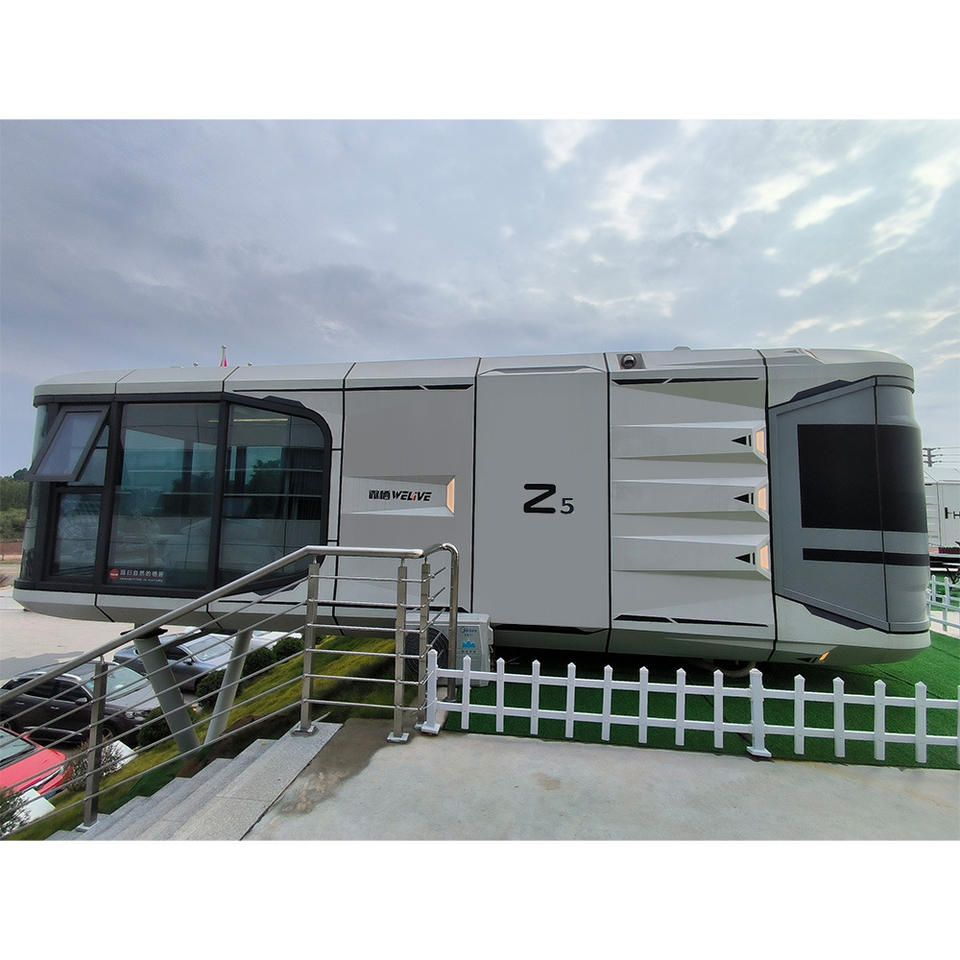
Number of Users per Session
The single-session capacity of mobile toilets primarily depends on the number of toilet stalls and their design types:
- Single-Stall Capacity: A standard single-stall mobile toilet accommodates only one user at a time, while barrier-free models can accommodate 1-2 people (e.g., for assisting children or individuals with disabilities).
- Capacity of Public Toilets of Different Sizes:
- Small Mobile Public Toilets: Typically contain 3-5 toilet stalls, with a theoretical maximum simultaneous service capacity of 3-5 people; however, in certain scenarios (e.g., compact stall layouts or dispersed usage demands), they can serve 10-20 people simultaneously.
- Medium Mobile Public Toilets: Have 6-10 toilet stalls, with a simultaneous service capacity of 6-10 people; if equipped with barrier-free facilities or optimized space design, they can accommodate 20-40 people.
- Large Mobile Public Toilets: Have more than 10 toilet stalls and may include barrier-free restrooms and baby care rooms, with a simultaneous service capacity exceeding 10 people; in large-scale event scenarios, they can serve 40-80 people simultaneously.
Average Daily Capacity
The average daily capacity is influenced by usage frequency, maintenance cycles, and scenario demands:
- Ordinary Scenarios: An ordinary mobile toilet is used 100-150 times per day on average (assuming a 5-10 minute interval between uses); in high-intensity scenarios (e.g., music festivals), it can reach 200 uses per day.
- Peak Hours: On average, one toilet stall can serve 8-12 people per hour. For example, a mobile public toilet with 10 stalls can serve 80-120 people per hour during peak hours.
- Scenario Differences:
- Low-Frequency Scenarios (e.g., construction sites): Used 50-80 times per day on average, due to a fixed user group and dispersed usage times.
- High-Frequency Scenarios (e.g., sports events): Require a ratio of 1 toilet per 50 people, meaning one toilet stall is shared by 50 people.
Other Influencing Factors
- Gender Ratio: It is recommended to have a toilet stall ratio of 1:2 or 1:3 to accommodate the longer restroom usage time of women.
- Discharge Methods: Water-flush toilets rely on water sources and sewage networks; waterless packaging or foam-sealing toilets require regular cleaning of fecal storage tanks (typically with a capacity of 100-200 liters per stall), directly affecting the number of uses.
- Maintenance and Cleaning Cycles: Toilets cleaned every 4 hours have a 30% higher average daily capacity than those cleaned every 8 hours.
- Climate and Environment: Usage frequency increases by 20%-30% in high-temperature environments, necessitating additional ventilation equipment to maintain efficiency.



