
Mobile Toilets Can Be Profitable
Mobile toilets can achieve profitability through multiple channels, with a business model that offers flexibility and sustainability.
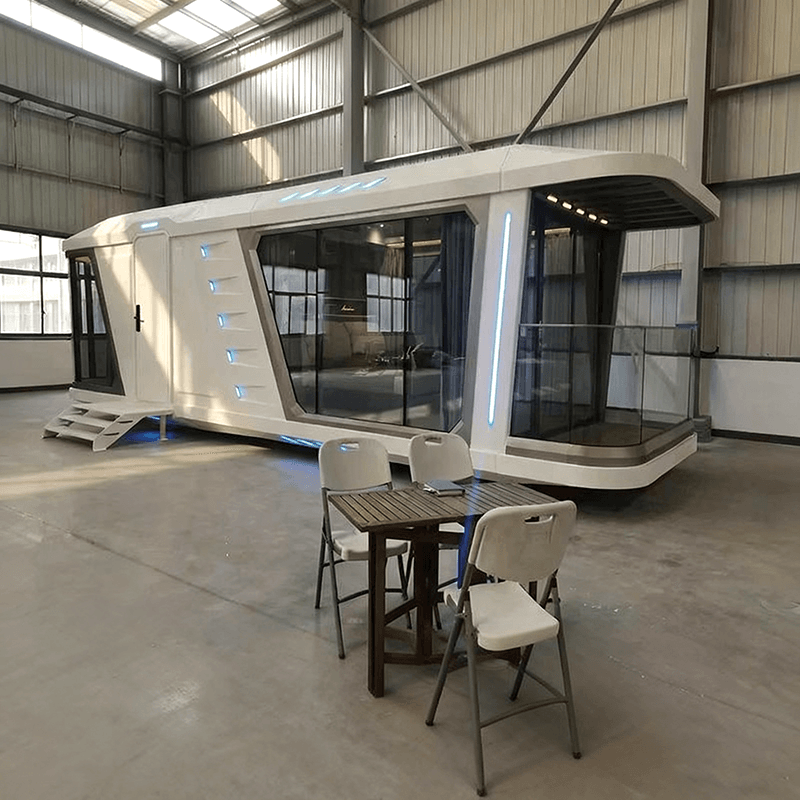
1. Rental income is the core profit-making method
The flexible deployment of mobile toilets makes them an ideal choice for areas with high foot traffic. For example, commercial districts, parks and scenic spots, and large-scale events (such as music festivals and sports events) have a strong demand for temporary sanitation facilities. Rental fees are usually determined based on the duration of use (daily, monthly, or long-term cooperation), the number of toilets, and additional services (such as regular cleaning and supply replenishment). This model can provide investors with a stable cash flow, and the surge in demand during peak tourist seasons or event periods can significantly boost revenue.
2. Advertising cooperation expands income sources
The exterior and interior spaces of mobile toilets can serve as high-exposure advertising media. Brand posters can be posted on the exterior walls, dynamic advertisements can be played on LED screens, and mirror advertisements and tissue box advertisements can be placed inside. In scenic spots or commercial areas, the average daily foot traffic can reach thousands or even tens of thousands of people, highlighting the value of advertising spaces. By cooperating with local businesses or chain brands and charging based on the display period or click-through rate, it can not only share operational costs but also enhance user engagement through creative advertising forms (such as interactive screens), further increasing revenue.
3. Value-added services create additional value
To meet the diverse needs of users, mobile toilets can offer paid value-added services. For example, vending machines can be installed inside the toilets to sell daily necessities such as tissues, sanitary napkins, and beverages; or high-end services such as personal care kits and baby diaper changing stations can be provided. Some operators also introduce a "membership system" where users can enjoy privileges such as priority use and free supplies after paying an annual fee. These services not only enhance the user experience but also increase non-rental income through differentiated pricing strategies.
4. Government subsidies reduce operational costs
To encourage the construction of public facilities, some local governments provide subsidies or incentives for mobile toilet projects. For example, they may offer financial support to toilets that adopt environmentally friendly technologies (such as solar power and sewage recycling) or provide tax breaks for projects serving remote areas. In addition, participating in government-led public projects such as the "Toilet Revolution" can secure stable orders through long-term cooperation agreements, further ensuring revenue.
5. Technological innovation and management optimization improve efficiency
The introduction of intelligent management systems (such as remote monitoring of toilet usage rates and supply levels) can reduce manual inspection costs; the adoption of environmentally friendly and energy-saving technologies (such as biodegradation treatment and water-saving designs) can lower water and electricity consumption. At the same time, standardized cleaning procedures and safety management training can extend the service life of toilets and reduce maintenance expenses. These measures can significantly improve operational efficiency and ultimately maximize profitability.



