Mobile Toilet Cabin Design Drawing
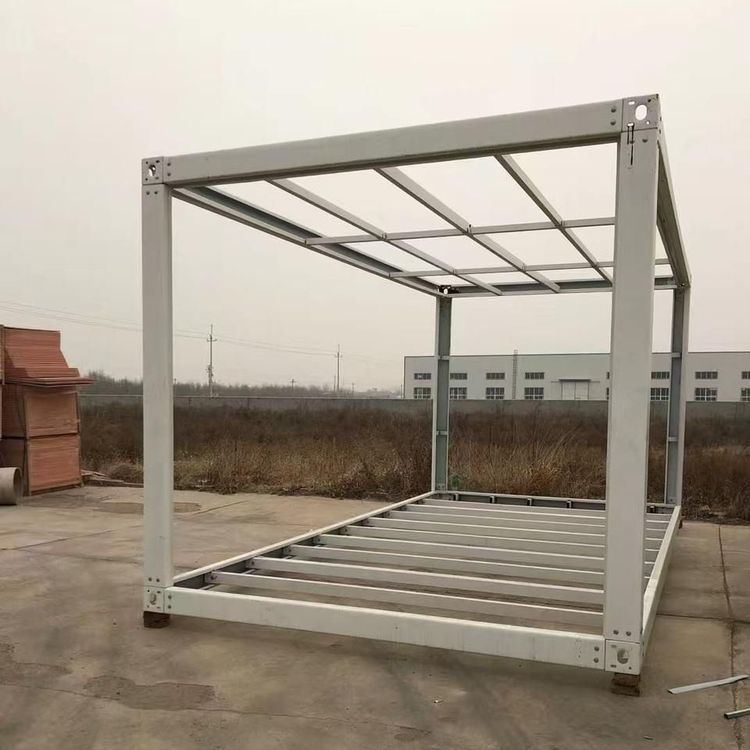
Currently, there are no directly available design drawings for mobile toilet cabins, but design ideas and key points can be provided based on relevant design descriptions.

Overall Style and Appearance
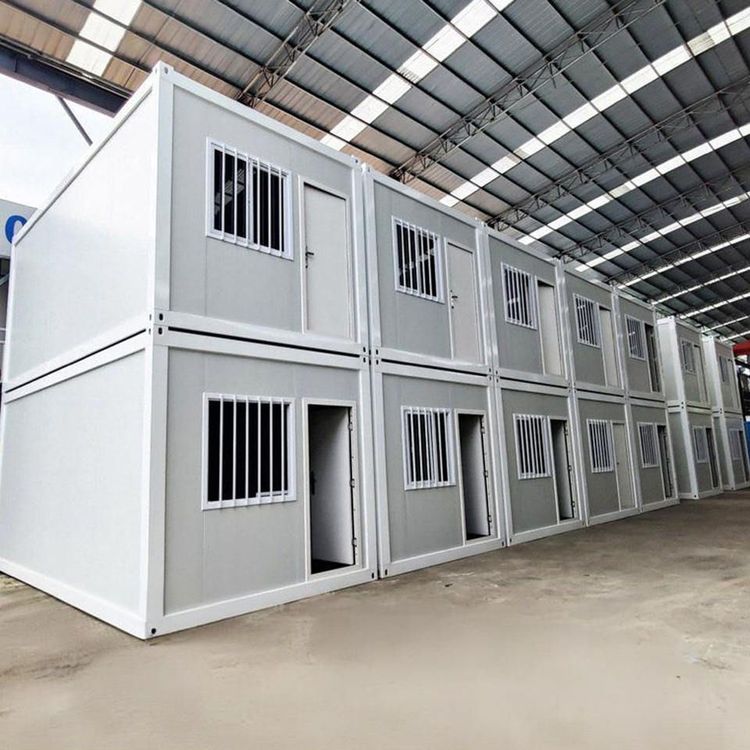
You can refer to the wood-imitation design concept of double-connected mobile toilets to create a natural and warm appearance for the cabin. The front exterior treatment panels can be paired with various grilles. This design not only adds a sense of layering to the appearance but also ensures a certain degree of ventilation. In terms of dimensions, you can refer to a specification of 2 meters in length and 2.8 meters in height, and make appropriate adjustments according to actual usage needs and site conditions. If the site is relatively spacious, the dimensions can be appropriately increased to provide a more comfortable usage space; if the site is limited, the dimensions should be reasonably reduced while ensuring basic functionality.
Interior Layout
- Dry-Wet Separation: This is an important principle in the design of mobile house bathrooms, and it is also applicable to mobile toilet cabins. Separating the shower area from the toilet and sink areas can effectively prevent the spread of moisture, keep other areas dry, reduce mold growth and equipment damage caused by dampness, and improve durability. For example, you can set up a shower area on one side of the cabin and use glass or a waterproof curtain for separation; arrange the toilet and sink on the other side.
- Double Independent Toilet Stalls Design: If there is sufficient space, adopting a double independent toilet stalls design can improve usage efficiency and meet the needs of multiple people using it simultaneously. Each stall should be equipped with an independent door to ensure the privacy of users.
Material Selection
- Wall Materials: Considering that mobile toilet cabins need to have a certain degree of strength and durability while controlling weight for easy mobility, composite materials such as fiberglass and aluminum alloy honeycomb panels can be selected. These materials are not only lightweight but also have good waterproof and anti-corrosion properties. The surface can use a film-laminating embossing technique to imitate stone textures and enhance the overall aesthetics.
- Sanitary Facility Materials: For sanitary facilities such as toilets and sinks, ceramic materials can be chosen. Ceramic surfaces are smooth, easy to clean, and highly durable.