
Mobile Toilet Business Plan
The mobile toilet business plan should cover core modules such as project overview, market analysis, technology and products, marketing strategies, production and operations, financial analysis, risk control and profit distribution, development planning and strategies.
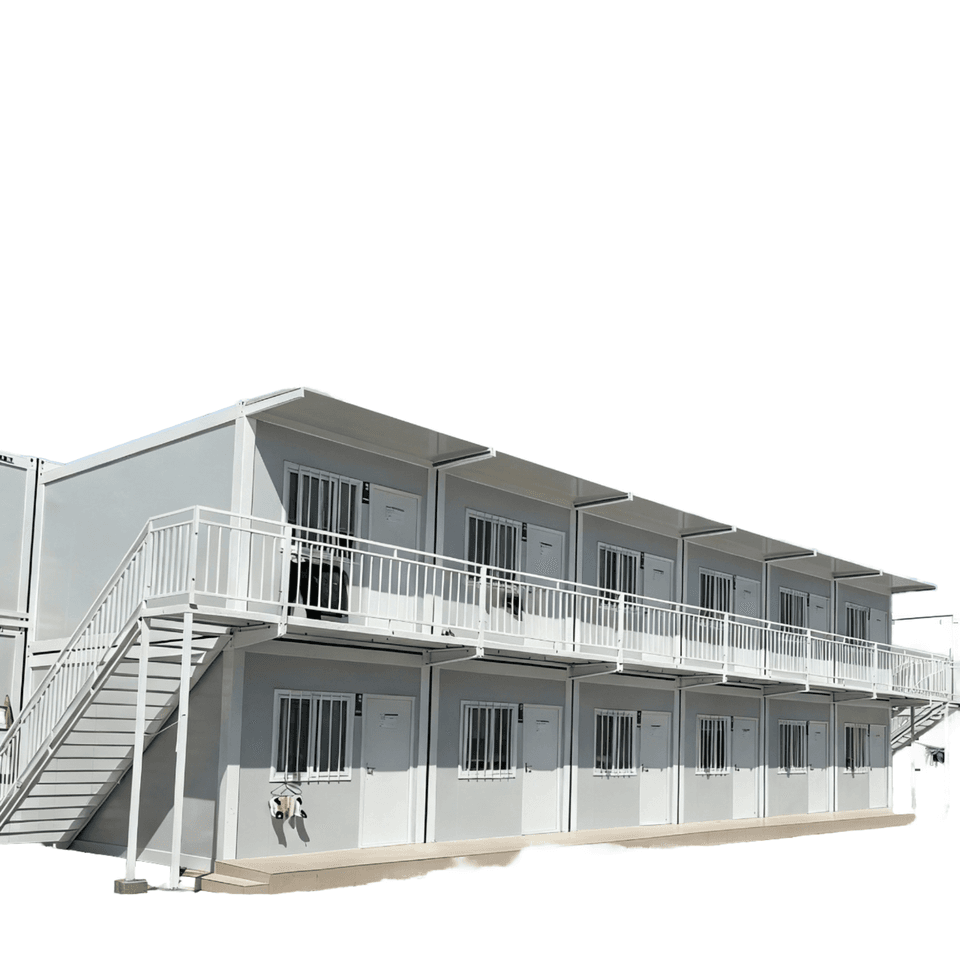
Project Overview and Background Mobile toilets, with mobility as their core advantage, break through the geographical limitations of traditional fixed toilets. They feature a lightweight structure, an aesthetically pleasing appearance, and easy installation. Their application scenarios are extensive, covering stations, docks, tourist attractions, large construction sites, commercial streets, and other densely populated or temporary demand locations. They are particularly suitable for supplementing infrastructure in small and medium-sized cities and remote areas.
Market Analysis With the acceleration of urbanization, the demand for eco-friendly mobile toilets is extending from first-tier cities to small and medium-sized cities, with the market size showing a steady growth trend. It is necessary to focus on analyzing the population density, public facility coverage, policy orientation (such as environmental protection requirements), and consumer habits (such as willingness to pay) in the target areas. For example, tourist attractions have high requirements for sanitary conditions, while construction sites are more concerned about cost and durability.
Technology and Products Technology directions include eco-friendly products such as coin-operated self-control, waterless flushing, and microbial degradation. It is necessary to clarify product characteristics (such as water-saving rate, odor control, and mobility), research and development plans (such as iteration cycles), and intellectual property protection (such as patent applications). For example, waterless flushing toilets achieve zero pollution discharge through biological decomposition technology and are suitable for water-scarce areas.
Marketing Strategies Price strategies should be designed in layers, providing customized services for high-end tourist attractions and offering discounts for bulk purchases such as construction sites. Promotions can enhance brand awareness through government cooperation and public welfare activities. The sales network can combine direct sales and agent models to cover key regions.
Production and Operations Raw material supply needs to be stable (such as lightweight alloys and eco-friendly materials), and production capacity should match market demand (such as modular design to shorten construction periods). Quality control should comply with national standards, and packaging and storage and transportation should consider damage prevention and cost optimization.
Financial Analysis It is necessary to predict the operating income in the year of reaching full production capacity (such as rental income per unit), total costs (including production, transportation, and maintenance), profits, and after-tax net profits. For example, initial investment may be high, but through large-scale operations, unit costs can be reduced, achieving a return on investment within 3-5 years.
Risk Control and Profit Distribution Risks include policy changes (such as upgrades to environmental protection standards) and increased market competition. Emergency plans need to be formulated (such as technological upgrades and diversified customer development). Profit distribution should balance the interests of investors, operators, and employees, and long-term cooperation can be achieved through equity incentives or profit-sharing mechanisms.
Development Planning and Strategies The short-term goal is to seize regional markets, the medium-term goal is to expand nationwide, and the long-term goal can explore overseas exports. Strategic control requires establishing a dynamic monitoring system to regularly evaluate market feedback and adjust strategies.



